Planning a trip should be exciting, but for many working professionals, it often feels overwhelming.
Between meetings, deadlines, family responsibilities, and daily commitments, finding time to organize a vacation can become stressful. As a result, many people postpone travel plans or rush through the planning process, which often leads to unnecessary frustration.
Fortunately, stress-free travel planning is possible, even when you work full time.
The key is not spending more time planning. Instead, it is using smarter systems that help you organize trips efficiently while minimizing stress.
Whether you’re planning a weekend getaway, a road trip, or a longer vacation, the strategies in this guide will help you simplify the process and enjoy travel without feeling overwhelmed.
Planning a stress free trip when you work full time starts with requesting leave early, creating a travel budget, booking transportation and accommodation in advance, preparing your work before leaving, and keeping your itinerary flexible. These simple steps help reduce stress and let you enjoy your vacation.
Why Travel Planning Feels Stressful for Working Professionals
Many professionals struggle with travel planning because they are already managing multiple responsibilities.
Common challenges include:
- Limited free time
- Busy work schedules
- Family obligations
- Budget concerns
- Information overload
- Last-minute decision making
In addition, the internet provides endless travel information, making it easy to spend hours researching flights, hotels, activities, and destinations.
Instead of making planning easier, too many options often create decision fatigue.
Understanding these challenges is the first step toward reducing travel stress.

Start With Your Calendar, Not Your Destination
One of the biggest travel planning mistakes is choosing a destination before reviewing your schedule.
Successful travelers often take the opposite approach.
They start by identifying available travel windows.
Review:
- Public holidays
- Vacation days
- Company schedules
- Family commitments
- Important work deadlines
Once you know how much time is realistically available, destination selection becomes much easier.
For example:
| Available Time | Recommended Trip Type |
|---|---|
| 2 Days | Local getaway |
| 3 Days | Regional destination |
| 4 to 5 Days | Domestic adventure |
| 7+ Days | International travel |
Because of this approach, planning becomes more practical and less stressful.
Set a Realistic Travel Budget Early
Financial uncertainty is one of the biggest sources of travel stress.
Before researching destinations, decide how much you are comfortable spending.
Your budget should include:
- Transportation
- Accommodation
- Food
- Activities
- Emergency expenses
A realistic budget helps eliminate destinations and options that are outside your financial comfort zone.
As a result, decision making becomes much faster.
Use the One Trip, One Goal Method
Many travelers try to accomplish too much during a single trip.
For example, they may want to relax, explore, hike, visit museums, attend events, and see multiple cities all in one vacation.
This often creates unnecessary stress.
Instead, choose one primary goal.
Examples:
- Relaxation
- Adventure
- Family time
- Outdoor activities
- Food experiences
- Cultural exploration
Focusing on one main objective makes planning significantly easier and creates a more enjoyable travel experience.
Create a Simple Travel Planning Timeline
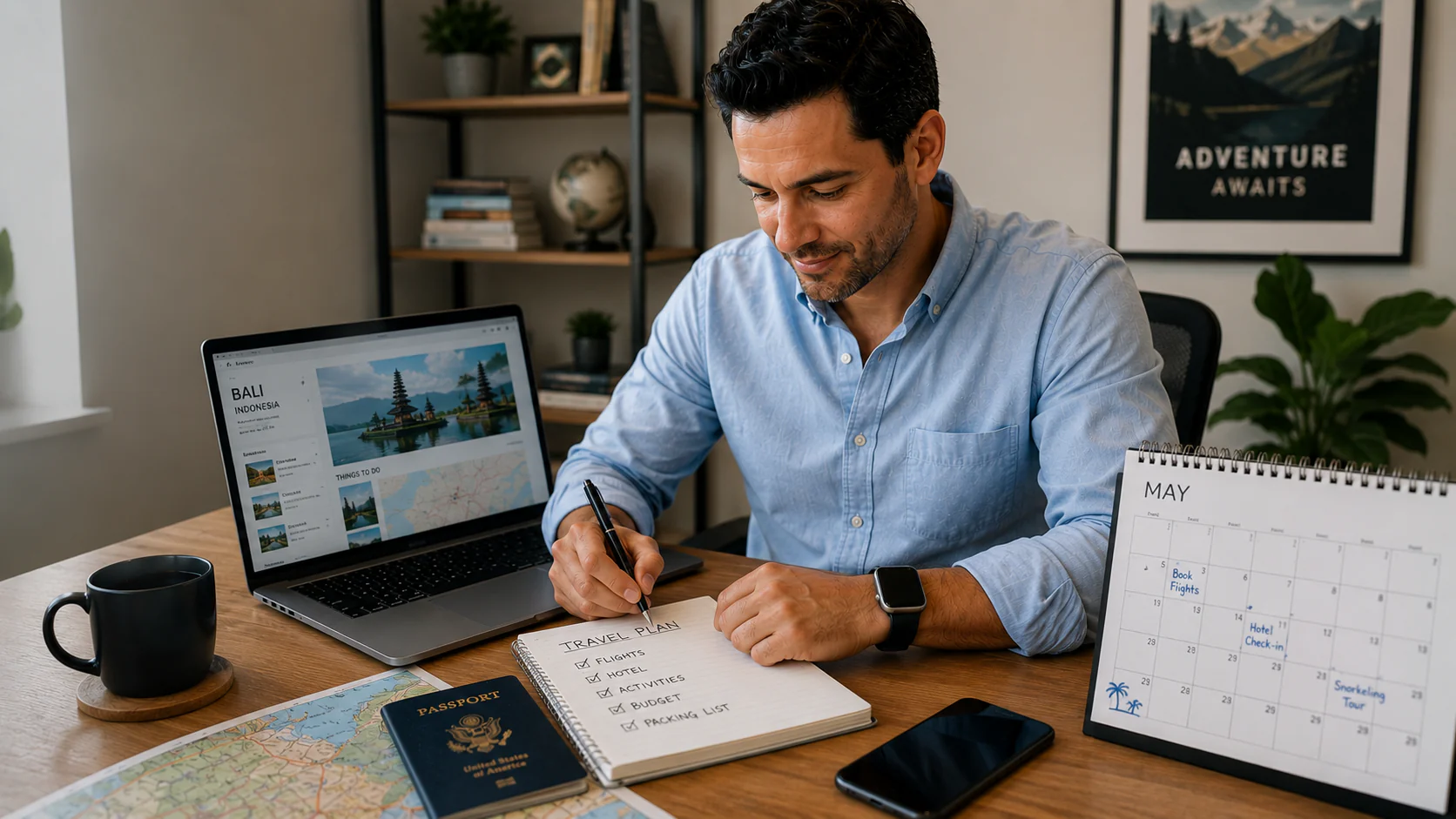
One of the easiest ways to reduce travel stress is breaking planning into smaller steps.
Instead of planning everything at once, spread tasks over several weeks.
Four to Eight Weeks Before Departure
- Choose destination
- Set budget
- Request vacation days
- Book flights
Two to Four Weeks Before Departure
- Reserve accommodations
- Plan major activities
- Research local transportation
One Week Before Departure
- Confirm reservations
- Review itinerary
- Prepare travel documents
- Create packing list
One Day Before Departure
- Pack luggage
- Charge devices
- Check travel updates
A simple timeline prevents last-minute panic and reduces planning pressure.
The 80/20 Rule of Travel Planning
Many professionals spend too much time planning minor details.
A better approach is focusing on the essentials.
Plan:
- Flights
- Accommodation
- Transportation
- One or two major activities
Leave room for:
- Spontaneous exploration
- Local recommendations
- Flexible scheduling
In fact, some of the best travel experiences happen when plans change unexpectedly.
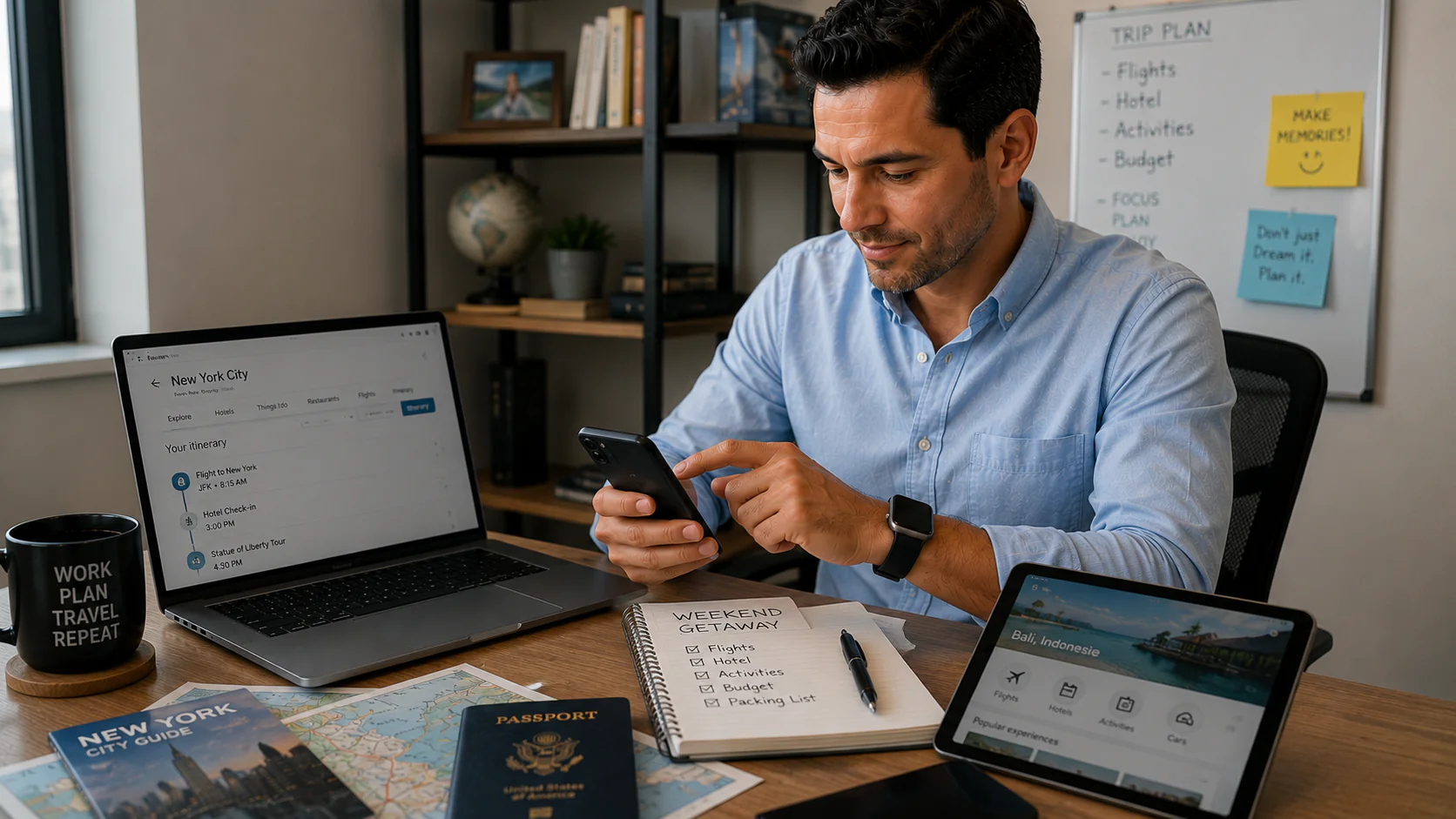
Use Technology to Save Time
Travel apps can dramatically reduce planning time.
Helpful categories include:
- Flight booking apps
- Hotel booking apps
- Navigation apps
- Language translation apps
- Budget tracking apps
- Itinerary management apps
Later in this cluster, we will explore Best Travel Apps for Planning Your Next Adventure in more detail.
Build a Personal Travel Planning System
Frequent travelers rarely start from scratch.
Instead, they use systems and checklists that simplify future trips.
Examples include:
- Packing templates
- Travel document folders
- Booking checklists
- Budget templates
- Travel planning spreadsheets
Consequently, every new trip becomes easier to organize.
Avoid Common Travel Planning Mistakes
Many travel headaches can be avoided by recognizing common mistakes.
Waiting Too Long to Book
Delaying bookings often results in:
- Higher prices
- Fewer accommodation options
- Increased stress
Overpacking the Itinerary
Trying to do too much can turn a relaxing trip into an exhausting experience.
Ignoring Recovery Time
Avoid scheduling major work commitments immediately after returning.
Comparing Every Option
Research is useful, but endless comparisons often create decision fatigue.
Key Takeaways
- Stress-free travel planning starts with realistic scheduling.
- Your calendar should determine your destination choices.
- Setting a budget early simplifies decision making.
- Travel planning timelines reduce last-minute stress.
- Travel apps and planning systems save valuable time.
- Simpler itineraries often create better travel experiences.
Manage Work Responsibilities Before You Leave
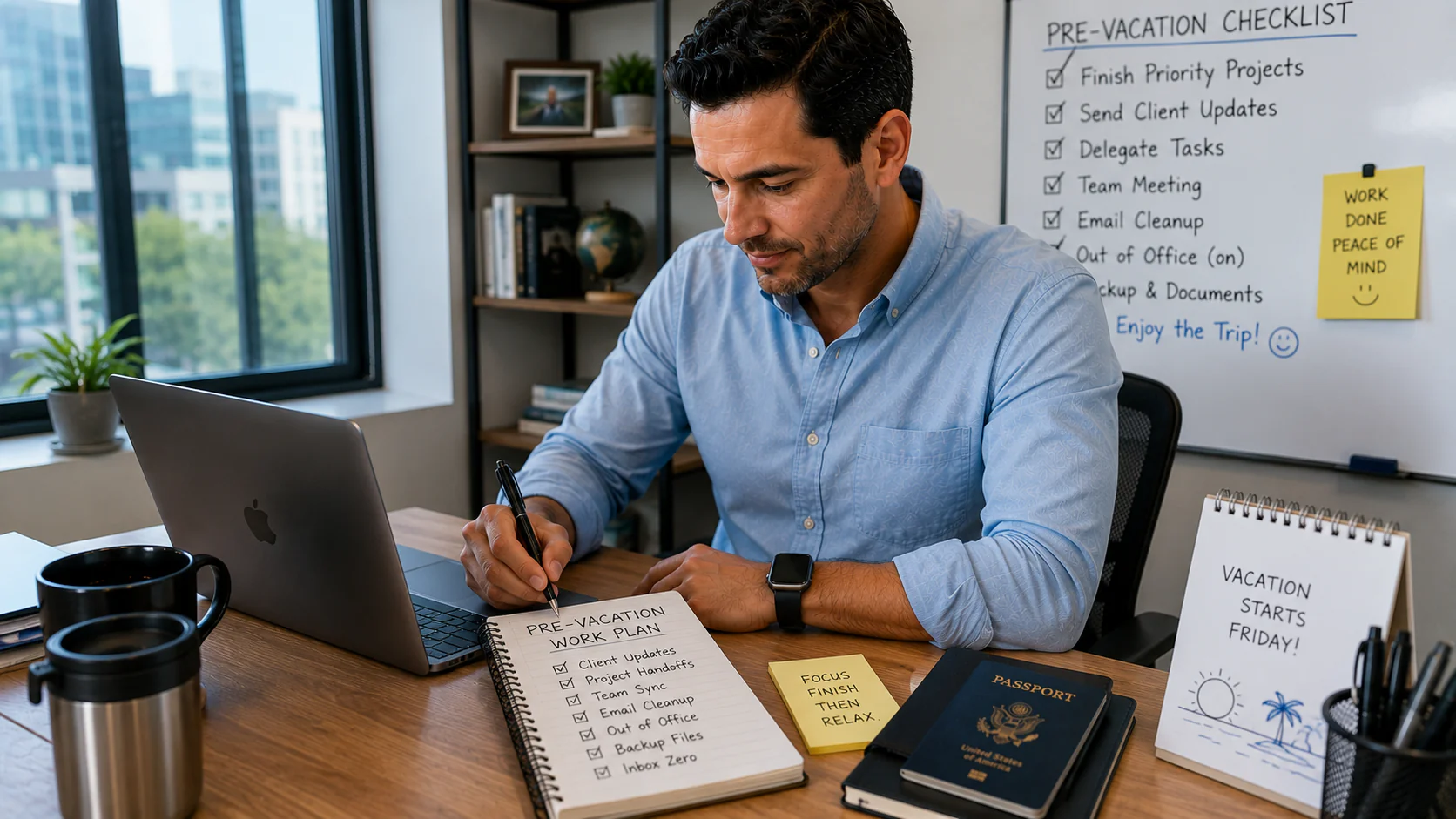
One of the biggest reasons professionals struggle to enjoy vacations is unfinished work.
When important tasks are left unresolved, many people continue worrying about work throughout their trip.
Fortunately, a few simple steps can help prevent this problem.
Complete High-Priority Tasks Early
Try to finish important projects before departure whenever possible.
This helps reduce stress and prevents urgent requests while traveling.
Inform Colleagues in Advance
Let coworkers know:
- Your travel dates
- Emergency contact procedures
- Project status updates
- Important deadlines
As a result, expectations are clear and communication becomes easier.
Taking a little extra time to prepare before your vacation can make a noticeable difference to your overall travel experience. Completing important tasks, keeping your team informed, and setting clear expectations before you leave helps minimize work related interruptions. With fewer responsibilities on your mind, you can focus on enjoying your trip, return feeling refreshed, and transition back to work with less stress.
Use Out-of-Office Messages
An automatic email response helps manage expectations and reduces pressure to respond immediately.
A simple message can include:
- Travel dates
- Expected response time
- Alternative contacts if needed
Learn How to Disconnect From Work While Traveling
Many professionals physically leave work but remain mentally connected to it.
Checking emails every hour, responding to messages constantly, and worrying about projects can reduce the benefits of travel.
Set Communication Boundaries
Before departure, decide:
- When you will check messages
- Who can contact you
- What qualifies as an emergency
Limit Notifications
Turning off non-essential notifications can help you focus on the travel experience instead of work.
Give Yourself Permission to Rest
Remember that vacations are not a sign of laziness.
In fact, rest and recovery often improve productivity, creativity, and long-term performance.
Because of this, disconnecting from work should be viewed as an investment in wellbeing.
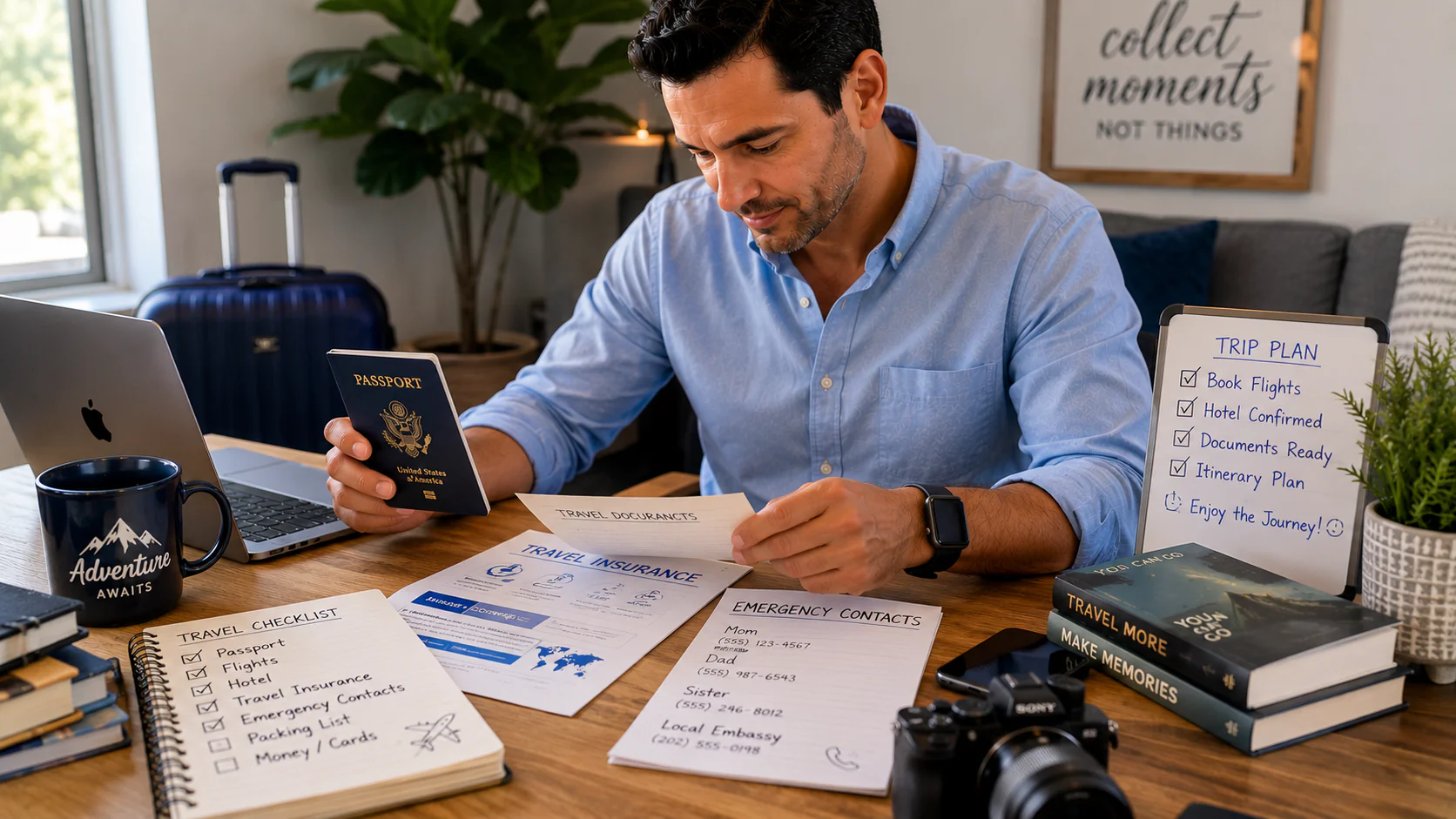
Create a Travel Emergency Plan
Unexpected situations can occur during any trip.
Preparing for them in advance can reduce anxiety and improve confidence.
Keep Digital Copies of Important Documents
Store copies of:
- Passport
- Driver’s license
- Travel insurance
- Hotel reservations
- Flight confirmations
Share Your Itinerary
Provide travel details to a trusted friend or family member.
Maintain Emergency Funds
Unexpected expenses can include:
- Transportation changes
- Medical situations
- Accommodation issues
Having emergency funds available can prevent unnecessary stress.
Use a Simple Travel Planning Checklist
A travel checklist can prevent common mistakes and reduce last-minute stress.
Travel Planning Checklist
Before Every Trip:
✓ Confirm travel dates
✓ Set a budget
✓ Book transportation
✓ Reserve accommodations
✓ Plan major activities
✓ Prepare travel documents
✓ Check weather forecasts
✓ Create a packing list
✓ Share itinerary
✓ Arrange work coverage if necessary
Using the same checklist for every trip helps create a repeatable planning system.
Consequently, future travel becomes easier and more efficient.
How Busy Professionals Can Save Time While Planning Trips
Time is often the most limited resource for working adults.
The following strategies can significantly reduce planning time.
Choose Fewer Destinations
Visiting multiple locations during a short trip often creates unnecessary complexity.
Reuse Previous Research
If you enjoyed a destination previously, save notes and recommendations for future visits.
Use Travel Templates
Examples include:
- Packing lists
- Budget sheets
- Itinerary formats
- Reservation trackers
Schedule Dedicated Planning Time
Instead of researching travel randomly throughout the week, set aside one focused planning session.
This approach often produces better results in less time.
Recommended Resources for Stress-Free Travel Planning
Reliable travel information helps reduce uncertainty.
U.S. Department of State Travel Information
Transportation Security Administration
National Park Service
These trusted resources provide accurate information for travel planning, transportation, and destination research.
Recommended Reading
For additional travel advice, read:
Travel Tips for Busy Professionals
Best Weekend Getaways for Busy Professionals in the USA
Future related guides:
- Ultimate Travel Packing Checklist for Short Trips
- Best Travel Apps for Planning Your Next Adventure
- Adventure Travel Ideas for First-Time Explorers

Frequently Asked Questions
How can I plan a trip when I work full time?
Start by identifying available travel dates, setting a realistic budget, choosing one primary trip goal, and following a simple planning timeline.
What is the best way to reduce travel planning stress?
Break planning into smaller tasks, use checklists, set a budget early, and avoid overcomplicating your itinerary.
How far in advance should I plan a trip?
For most domestic trips, planning four to eight weeks ahead provides enough time to secure transportation and accommodations without feeling rushed.
Should I check work emails while traveling?
This depends on your responsibilities. However, limiting email checks and setting communication boundaries can help you enjoy the benefits of travel more fully.
What is the biggest travel planning mistake professionals make?
Many professionals wait too long to book or attempt to plan every detail. Both can create unnecessary stress and decision fatigue.
How can travel apps help with trip planning?
Travel apps can help manage bookings, itineraries, navigation, budgets, and travel updates from a single device.
Is a travel checklist really necessary?
Yes. Checklists help reduce mistakes, improve organization, and make future trips easier to plan.
How can I travel more often with a busy schedule?
Focus on weekend trips, use public holidays strategically, plan in advance, and prioritize travel opportunities throughout the year.
Final Thoughts
Planning a trip while working full time does not have to be stressful.
By starting with your calendar, setting realistic expectations, using simple planning systems, and preparing work responsibilities in advance, you can enjoy travel without feeling overwhelmed.
The goal of stress-free travel planning is not creating the perfect itinerary. Instead, it is creating a process that helps you spend less time worrying about logistics and more time enjoying the experience.
Whether you are planning a weekend getaway, a domestic vacation, or a longer adventure, small improvements in your planning process can make every trip more enjoyable.
The most successful travelers are not necessarily those with the most free time. They are the people who use their available time intentionally and consistently.
With the strategies in this guide, you can reduce travel stress, simplify planning, and make travel a more rewarding part of your lifestyle.