
Introduction
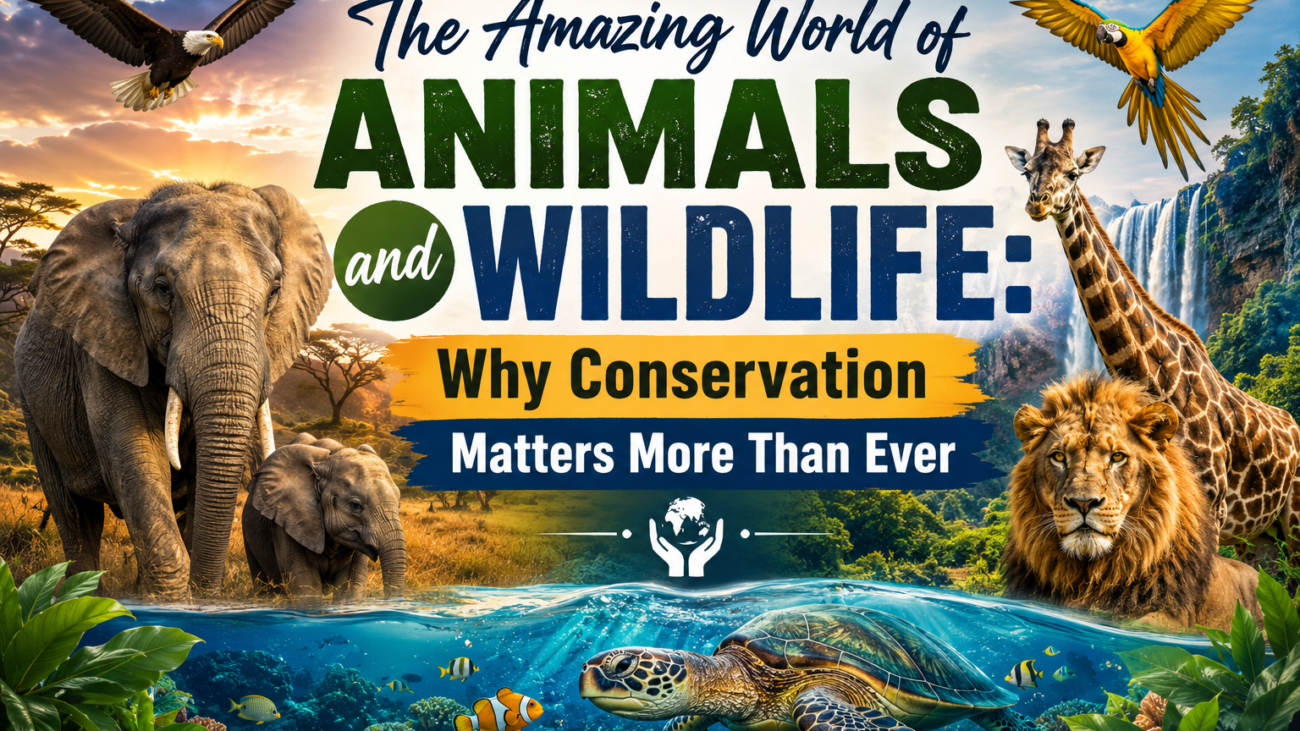
Animals and wildlife are among the most fascinating and valuable components of our natural world. From the vast oceans teeming with marine life to dense rainforests with exotic creatures, the animal kingdom represents the incredible diversity of life on Earth. Every species, large or small, contributes to the balance of ecosystems and helps maintain vital environmental processes. For centuries, animals have inspired humankind. They appear in our myths, cultures, literature, and art. Wildlife also plays an important role in scientific research, tourism, agriculture, and ecological sustainability. Yet, despite their importance, countless species are threatened by habitat destruction, climate change, pollution, and illegal hunting.
Understanding and appreciating wildlife is the first step toward protecting it. This article explores the importance of animals and wildlife, the global diversity of species, the challenges they face, and the actions we can take to ensure their survival for future generations.
The Incredible Diversity of Wildlife
The Earth is home to millions of species living in a wide variety of ecosystems. Scientists estimate that many species remain undiscovered, particularly in tropical rainforests and the deep sea.
Mammals
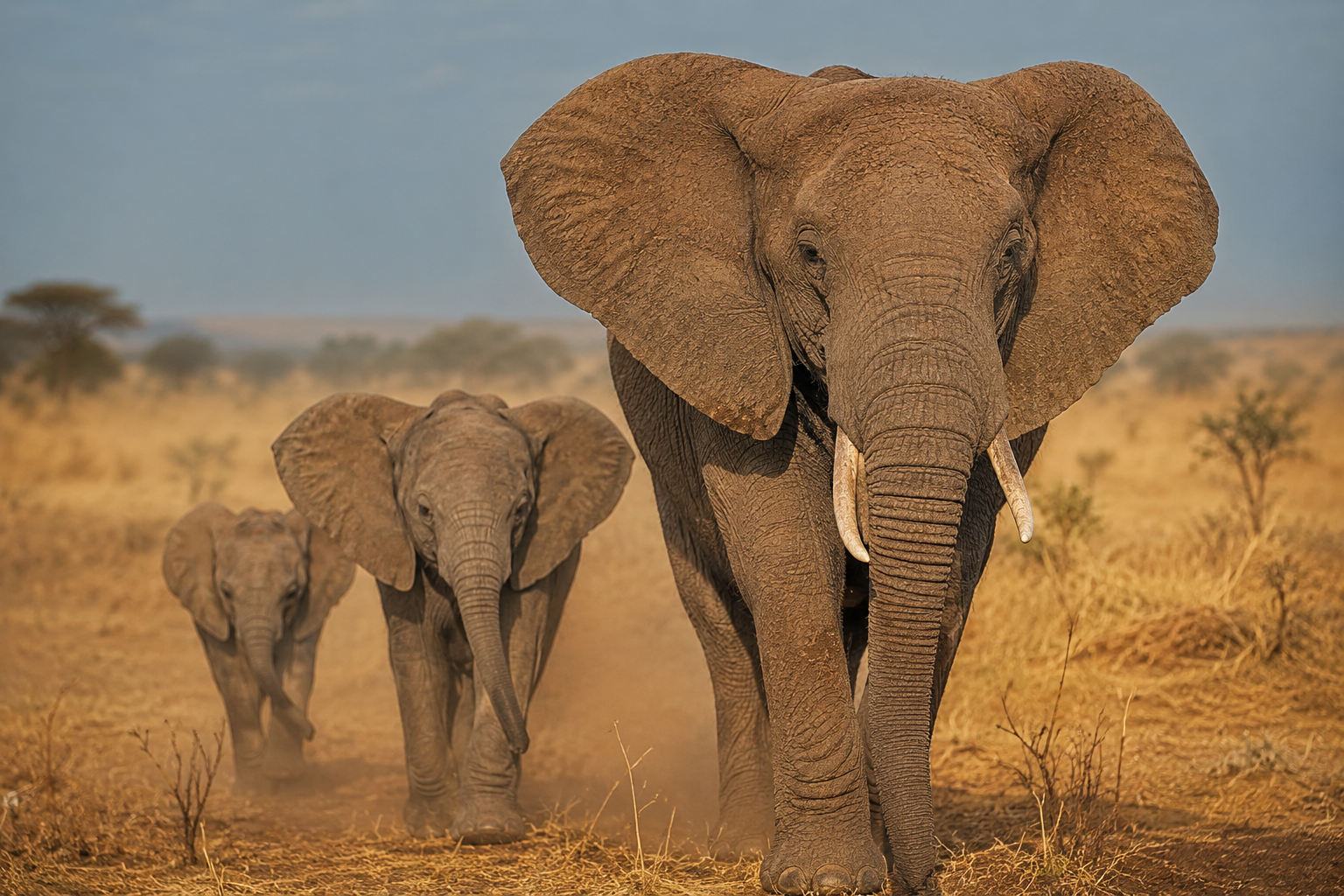
Mammals are warm-blooded animals known for their intelligence, social behavior, and ability to care for their young. Some of the best-known mammals include elephants, lions, tigers, bears, wolves, dolphins, and whales.
Elephants are among the most intelligent animals on Earth. They possess remarkable memories, strong family bonds, and highly developed communication skills. Dolphins also demonstrate problem-solving abilities and social cooperation that continue to fascinate researchers.
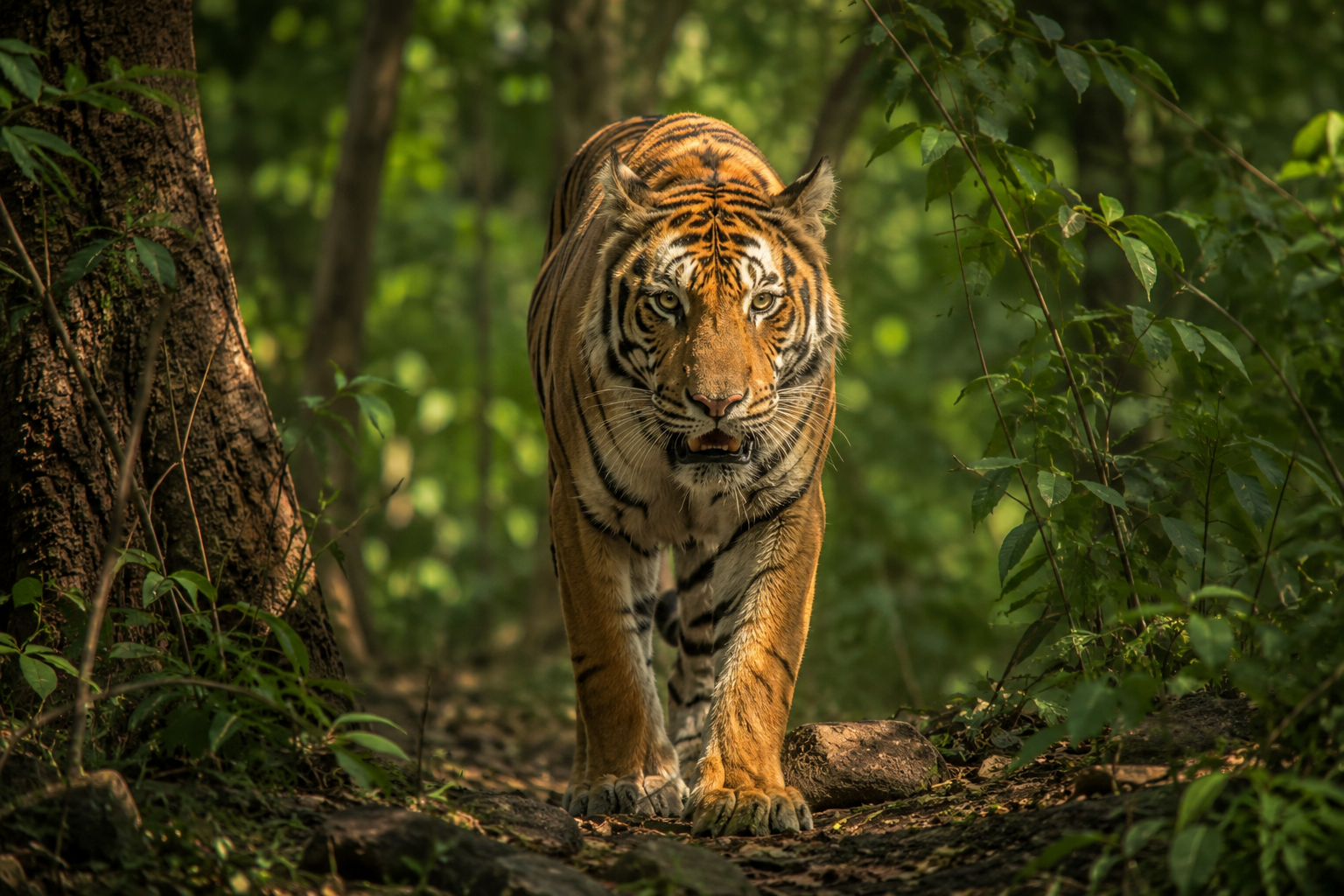
Large predators like lions and tigers play a crucial role in regulating prey populations and maintaining ecological balance.
Birds
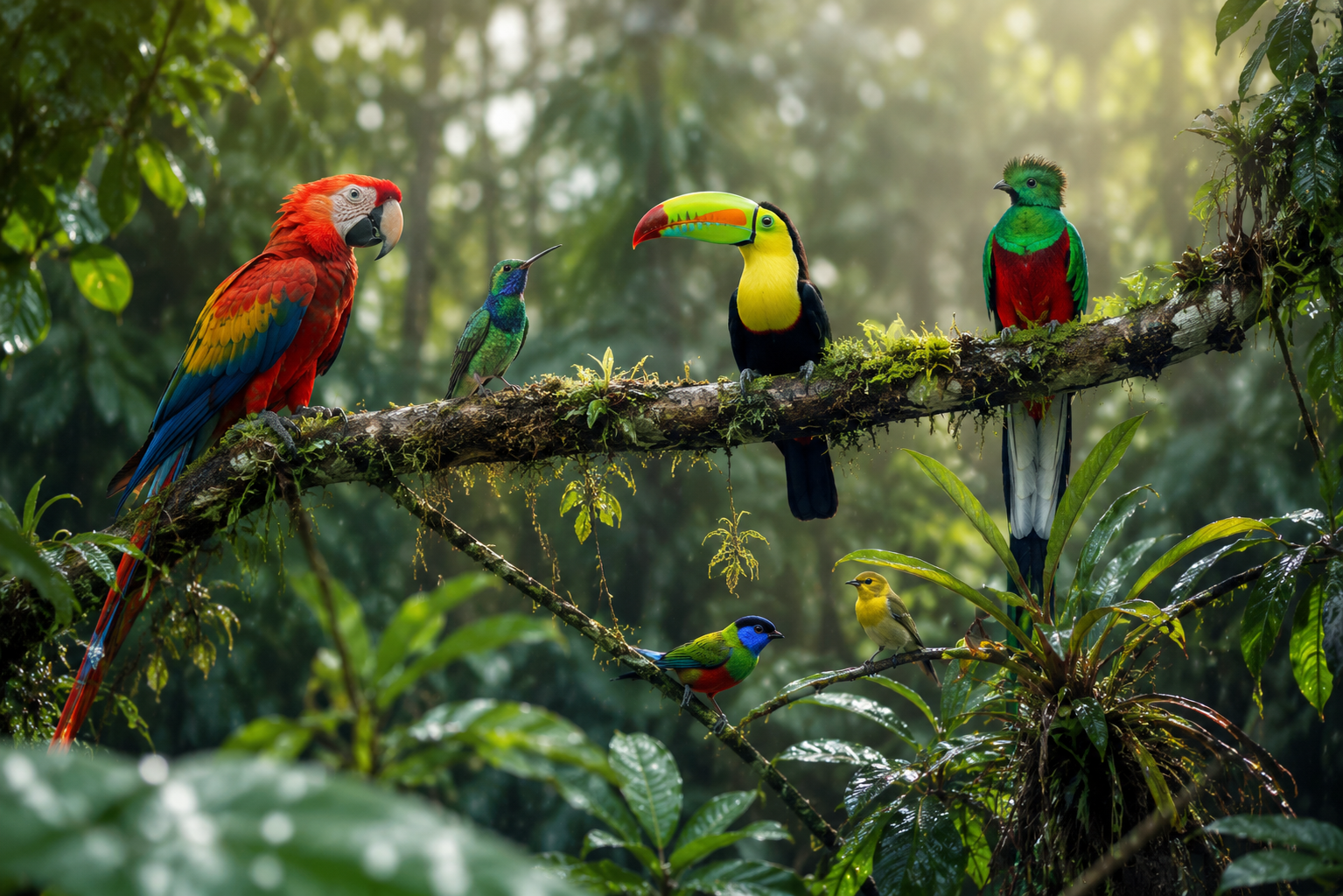
With over 10,000 known species worldwide, birds are among the most diverse animal groups. They inhabit almost every ecosystem, from tropical rainforests and deserts to polar regions.
Birds contribute significantly to ecological health by dispersing seeds, controlling insect populations, and pollinating plants. Species like hummingbirds and sunbirds are essential pollinators, while birds of prey help maintain a balanced food web.
Many bird species undertake extraordinary migrations, traveling thousands of kilometers each year. The Arctic tern, for example, completes one of the longest migrations in the animal kingdom.
Reptiles and Amphibians
Reptiles include snakes, crocodiles, lizards, turtles, and tortoises. These animals have adapted to a wide variety of habitats and have existed on Earth for millions of years.
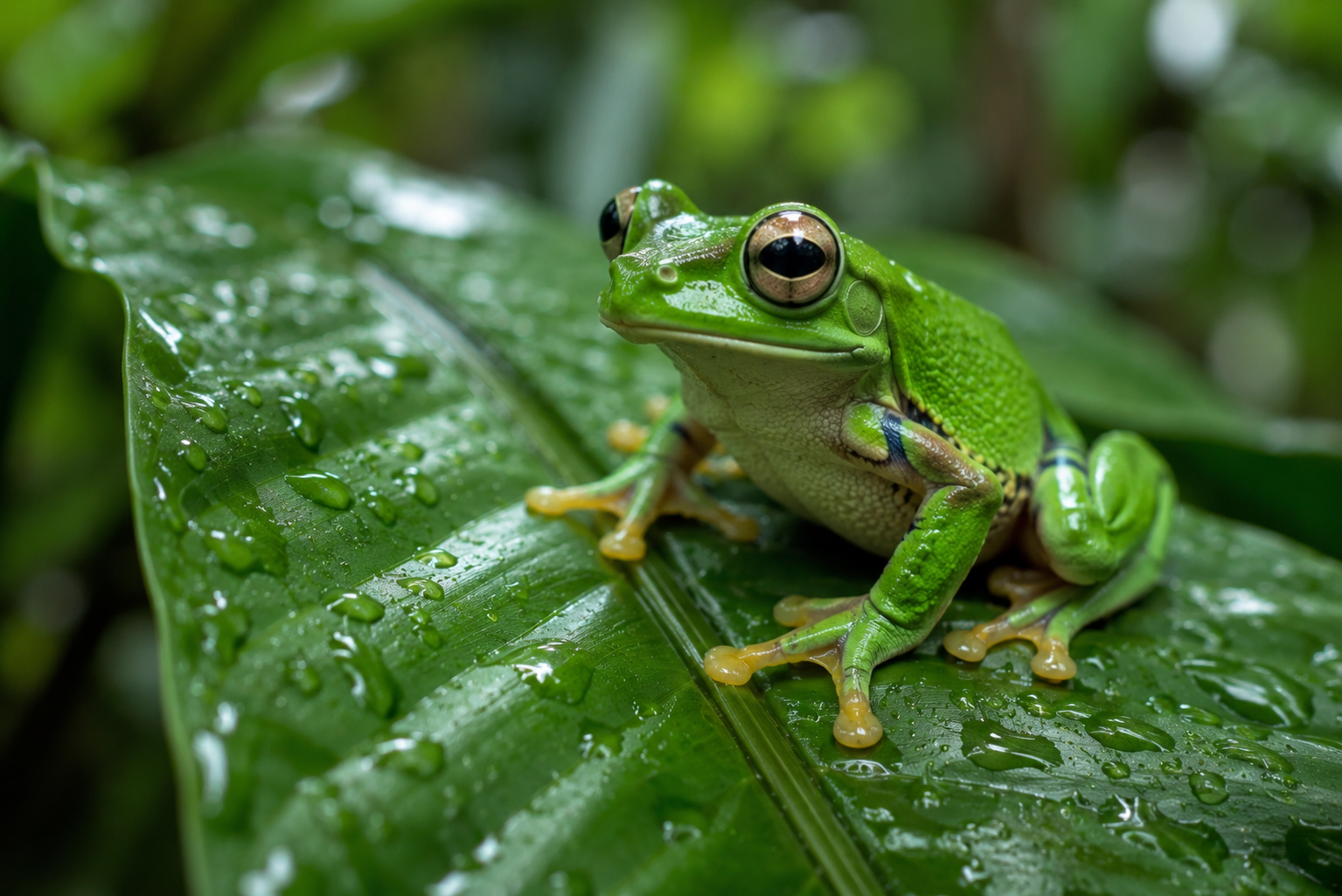
Amphibians such as frogs, salamanders, and newts often serve as indicators of environmental health because they are very sensitive to changes in water quality and climate.
Many reptiles and amphibians contribute to controlling insect populations and maintaining ecological balance.
Marine Animals
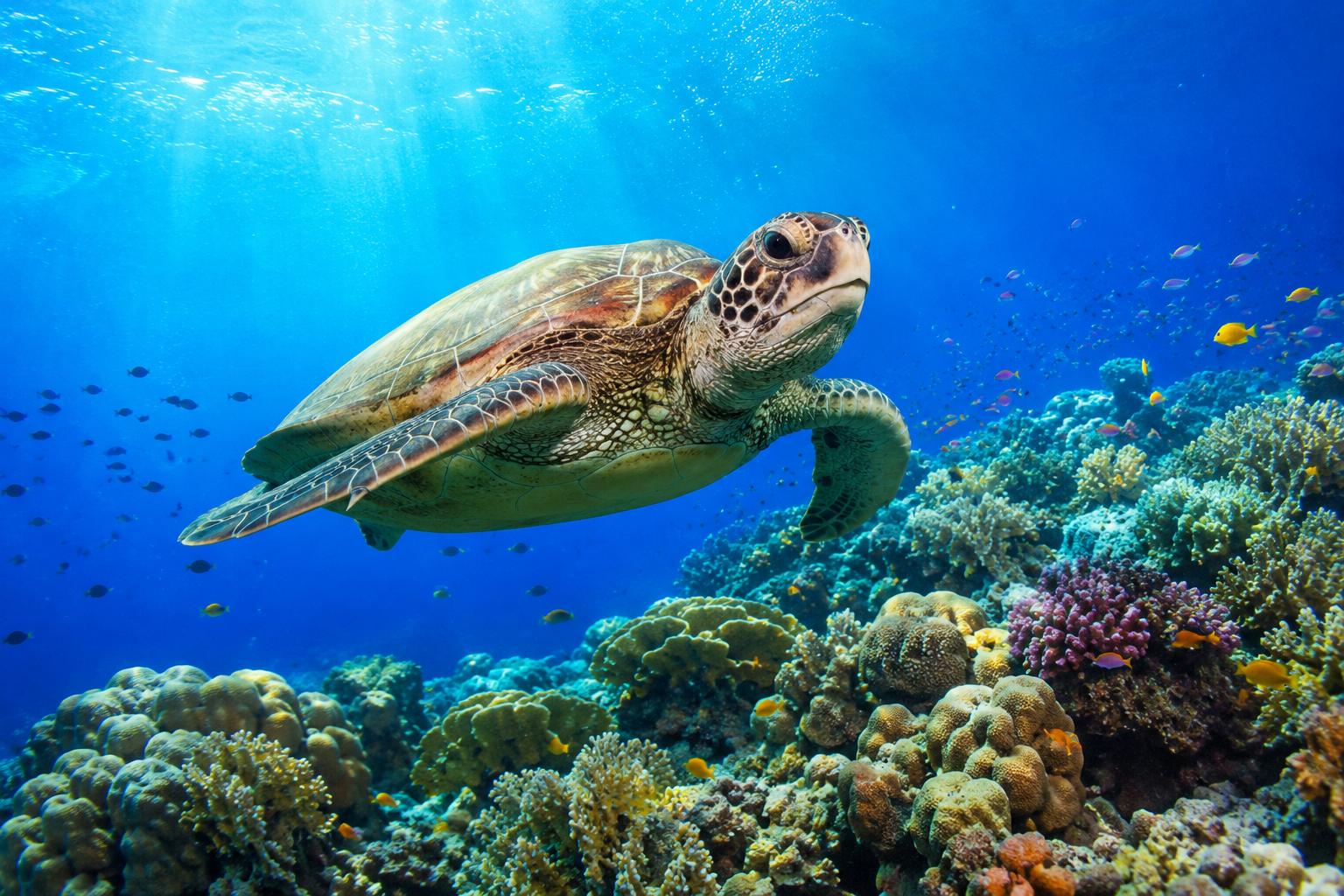
The oceans cover more than 70% of the Earth’s surface and are home to some of the most extraordinary animals and plants on our planet.
Marine ecosystems are home to whales, dolphins, sharks, sea turtles, coral reefs, octopuses, and countless species of fish. Coral reefs alone are home to about 25% of all marine life, even though they cover less than 1% of the ocean floor.
Blue whales, the largest animals ever known, can grow to over 30 meters in length and weigh more than 180 tons.
Why Wildlife Matters
Wildlife is far more than just a collection of fascinating animals. It provides essential ecological, economic, cultural, and scientific benefits.
Maintaining Ecological Balance
Each species plays a unique role in its ecosystem. Predators regulate herbivore populations, pollinators promote plant reproduction, and decomposers recycle nutrients.
If a species disappears, the effects can spread throughout the entire ecosystem, disrupting food chains and ecological processes.
Wolves, for example, help regulate deer populations, prevent overgrazing, and enable the natural regeneration of forests.
Promoting Biodiversity
Biodiversity refers to the variety of life on Earth. Healthy ecosystems with high biodiversity are generally more resilient to environmental changes and natural disasters. Wildlife contributes significantly to biodiversity by creating complex networks of interactions that support ecosystem stability.
Economic Contributions
Wildlife tourism generates billions of dollars annually worldwide. National parks, wildlife reserves, and nature-based tourism create jobs and strengthen local economies. Many communities depend on wildlife-related activities such as ecotourism, birdwatching, photography, and conservation projects.
Scientific and Medical Benefits
Animals contribute to scientific discoveries and medical advances. Research with wild animals has led to developments in medicine, genetics, ecology, and environmental science.
Many medications are based on compounds originally discovered in plants and animals.
Wildlife Habitats Worldwide
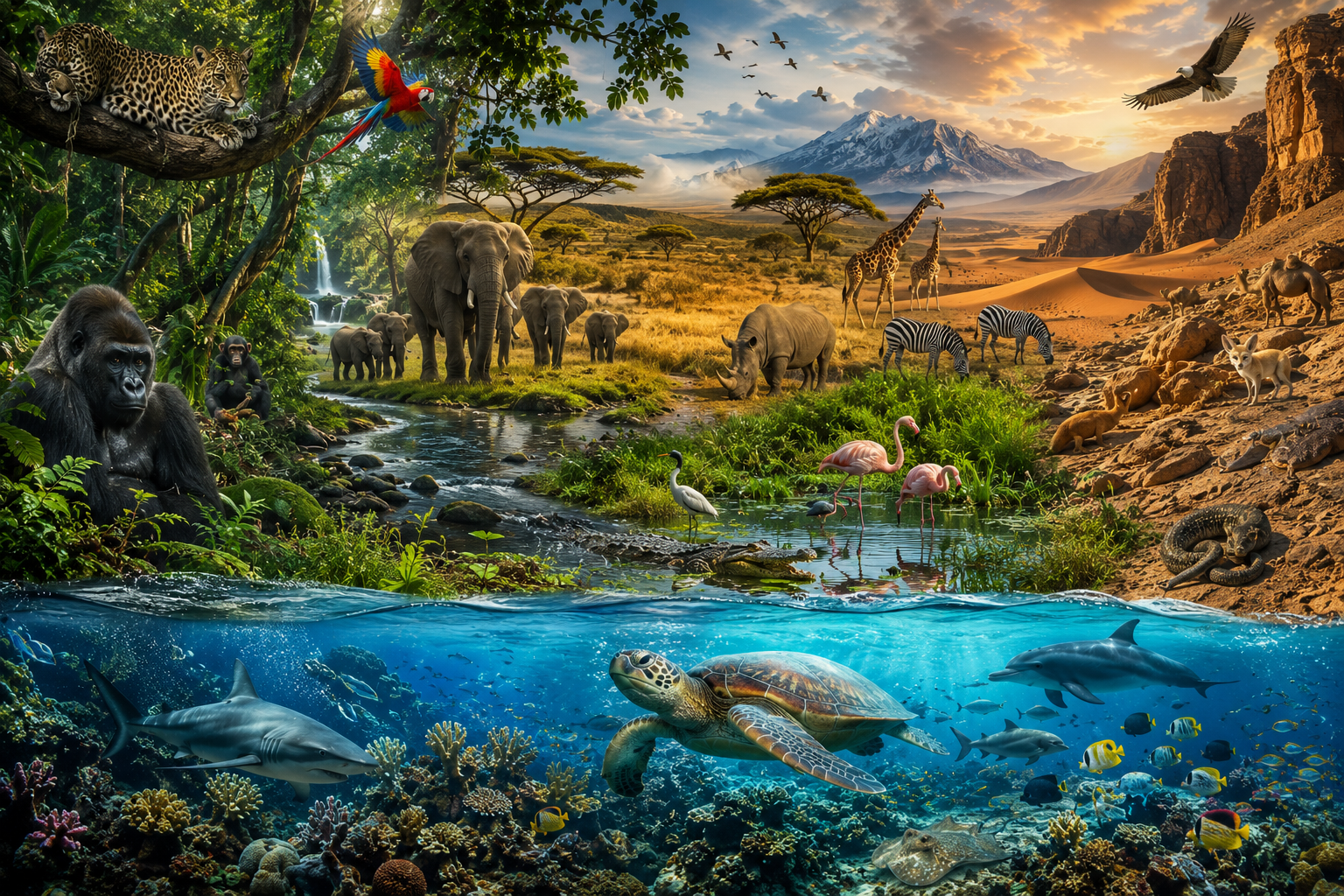
Animals inhabit diverse ecosystems that provide them with food, water, shelter, and breeding opportunities.
Forests
Forests are among the most biodiverse habitats on Earth. Tropical rainforests are home to more than half of all land animal species worldwide, even though they cover only a small portion of the Earth’s land area. Animals commonly found in forests include monkeys, jaguars, parrots, sloths, and countless insects.
Grasslands
Grasslands provide habitat for large herbivores such as zebras, antelopes, bison, and elephants. Predators like lions and cheetahs depend on these herbivore populations for their survival. Grassland ecosystems play a vital role in carbon sequestration and soil conservation.
Deserts
Despite the harsh conditions, deserts harbor a surprisingly diverse wildlife. Animals such as camels, fennec foxes, lizards, and snakes have developed unique adaptations to survive extreme temperatures and limited water resources.
Wetlands
Wetlands are among the most productive ecosystems on Earth. They provide breeding grounds for fish, amphibians, birds, and numerous aquatic organisms.
Wetlands also help reduce flooding and improve water quality.
Oceans
Marine ecosystems harbor enormous biodiversity and regulate the Earth’s climate. Healthy oceans are essential for food security, weather regulation, and global environmental stability.
Main Threats to Wildlife
Despite its importance, wildlife faces numerous threats, the severity of which is steadily increasing.
Habitat Loss
Habitat destruction is the leading cause of biodiversity loss worldwide. Forests are cleared for agriculture, urban development, infrastructure projects, and resource extraction. As habitats shrink, wildlife populations decline. Fragmented habitats also make it difficult for animals to migrate, find mates, and access food sources.
Climate Change
Climate change is altering ecosystems worldwide. Rising temperatures, altered precipitation patterns, melting glaciers, and rising sea levels are impacting the survival of wildlife. Species adapted to specific environmental conditions may not be able to adapt quickly enough. Polar bears, for example, rely on sea ice for hunting and survival.
Pollution
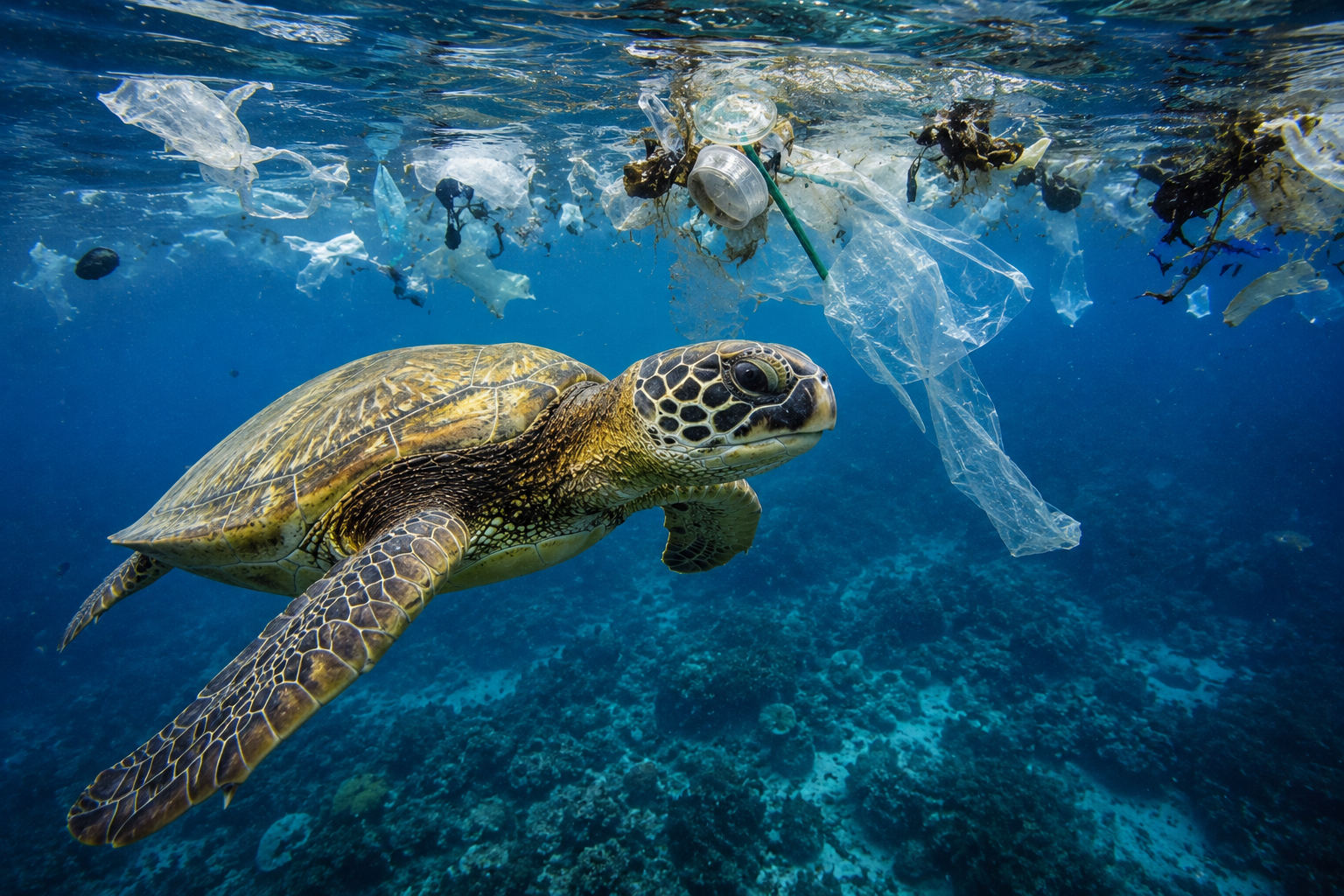
Pollution threatens terrestrial and marine ecosystems alike. Plastic waste is particularly harmful to marine animals. Animals frequently ingest plastic or become entangled in discarded fishing gear. Chemical pollution from pesticides and industrial waste can contaminate water sources and harm animal reproductive systems.
Poaching and Illegal Wildlife Trade
Illegal hunting continues to threaten many endangered species.
Elephants are hunted for their ivory, rhinos for their horns, and numerous other animals for the exotic pet trade.
The wildlife trade is a multi-billion dollar business that significantly contributes to species extinction.
Invasive Species
Invasive species, introduced into new habitats, can displace native wildlife in competition for resources and alter ecosystems.
Examples include invasive fish, insects, plants, and mammals that disrupt the ecological balance.
Endangered Species and Conservation Challenges
Thousands of animal species are currently considered threatened or endangered.
Some examples are:
• Tigers
• Rhinos
• Orangutans
• African Forest Elephants
• Sea Turtles
• Snow Leopards
• Pangolins
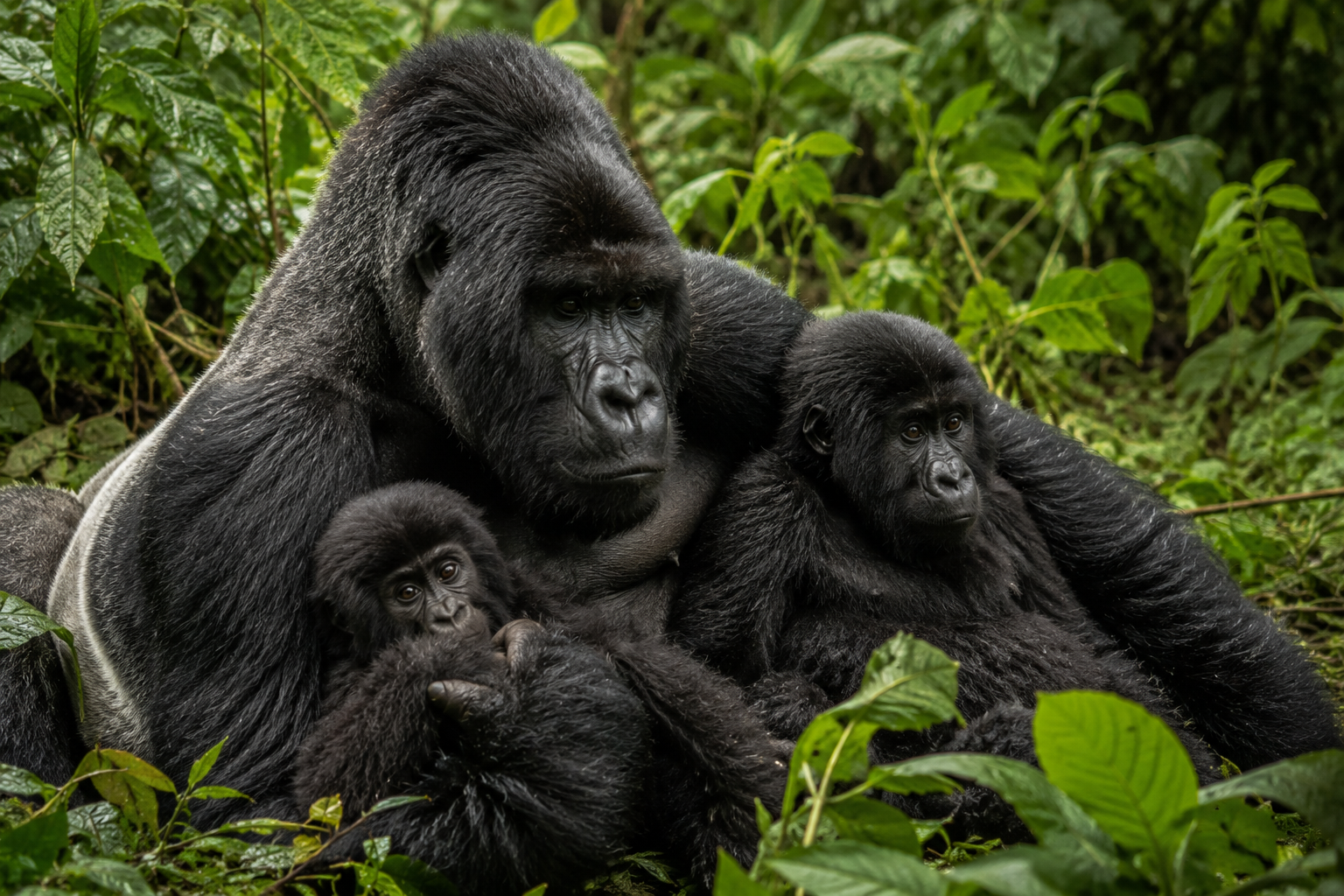
• Mountain Gorillas
These species face challenges ranging from habitat loss and poaching to climate change and human-wildlife conflict. Conservationists work tirelessly to protect endangered species by preserving habitats, implementing breeding programs, combating poaching, and raising public awareness.
Success Stories in Conservation
Although many challenges remain, remarkable successes have been achieved in conservation.
Giant Panda Recovery
Conservation programs, habitat protection, and breeding initiatives have significantly contributed to the recovery of giant panda populations in recent decades.
Bald Eagle Return
The bald eagle was once critically endangered due to habitat destruction and pesticide use. Conservation efforts have led to one of the most successful wildlife population recoveries in history.
Whale Conservation
International regulations on commercial whaling have allowed several whale populations to recover.
Mountain Gorilla Conservation
Cooperative conservation programs in Africa have increased the number of mountain gorillas through habitat protection and ecotourism initiatives.
These success stories demonstrate that conservation efforts can make a significant difference when supported by governments, organizations, and local communities.
The Role of Technology in Conservation
Modern technologies are revolutionizing conservation.
Satellite Tracking
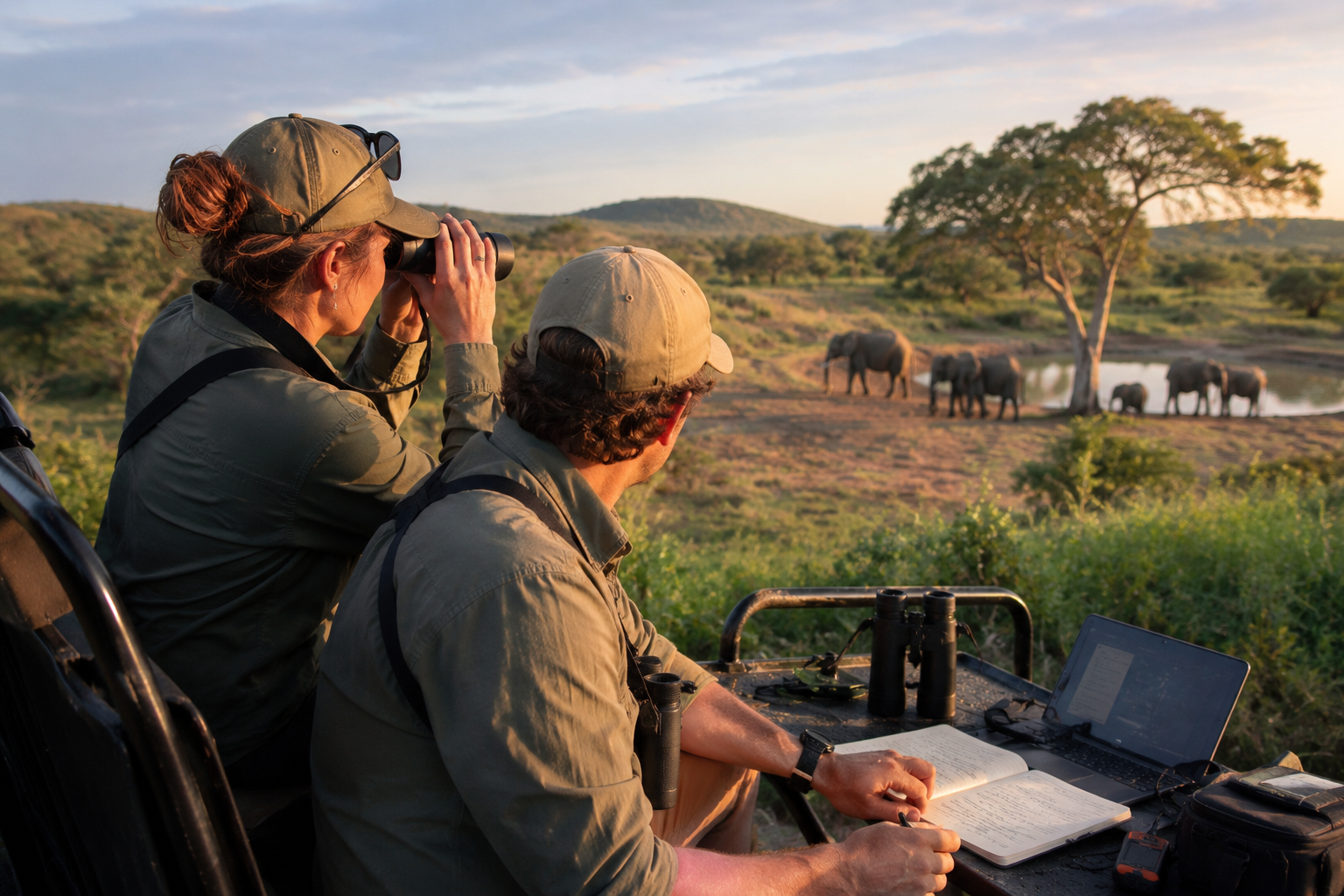
Scientists use GPS collars and satellite tracking devices to monitor animal movements and migrations.
Drones
Drones help conservationists monitor remote areas, track wildlife populations, and detect illegal activities.
Artificial Intelligence
AI-powered systems analyze images from wildlife cameras and identify species more efficiently than traditional methods.
Genetic Research
DNA analysis helps scientists understand population health, genetic diversity, and the relationships between species.
Technology provides powerful tools for protecting wildlife and improving conservation outcomes.
How Individuals Can Contribute to Wildlife Conservation
Protecting wildlife is not solely the responsibility of governments and organizations. Individuals can also make a vital contribution.
Reduce Your Plastic Consumption
Choosing reusable products helps reduce plastic pollution, which harms wildlife.
Support Conservation Organizations
Donations and volunteering support vital conservation initiatives worldwide.
Practice Responsible Tourism
Respect wildlife by maintaining a safe distance and avoiding activities that disturb animals.
Choose Sustainable Products
Support companies that prioritize environmentally responsible practices.
Plant Native Species
Native plants provide food and shelter for local wildlife and pollinators.
Educate Others
Sharing knowledge about wildlife conservation fosters broader environmental awareness.

The Future of Wildlife Conservation
The future of wildlife depends on collective action.
Governments, scientists, conservation organizations, businesses and individuals must work together to protect habitats, reduce pollution, combat climate change and prevent the illegal wildlife trade.
International cooperation is particularly important because wildlife knows no national borders. Migratory birds, marine ecosystems, and global environmental problems require coordinated solutions.
New technologies, growing public awareness, and successful conservation models offer hope for the future. However, long-term success depends on sustained commitment and responsible stewardship of the environment.
Conclusion
Animals and wildlife are fundamental to the health and beauty of our planet. They maintain ecosystems, enrich human culture, contribute to scientific progress, and preserve the biodiversity upon which all life depends.
Yet, wildlife faces unprecedented challenges due to habitat destruction, pollution, climate change, and illegal exploitation. Wildlife conservation is not just an environmental responsibility it is an investment in the future of humanity and nature.
Everyone can contribute. Whether through waste reduction, supporting conservation projects, making sustainable choices, or educating others, our actions can contribute to a healthier planet.
The wonders of the animal kingdom remind us that we are part of a larger web of life. By protecting animals and their habitats today, we ensure that future generations can also experience the extraordinary diversity, beauty, and inspiration that wildlife brings to our world.
Final Thought
When we protect wildlife, we protect the ecosystems that sustain all life on Earth. Conservation isn’t just about saving animals it’s about preserving the future of our planet.