
Introduction
Few things are more frustrating than opening your fridge and finding a bag of slimy spinach, moldy berries, or vegetables that looked perfectly fine just a few days ago.
With grocery prices climbing across the United States, wasting food doesn’t just feel bad. It feels like throwing money straight into the trash. Many families are looking for ways to stretch their grocery budget, reduce waste, and make every shopping trip count.
The good news is that most food spoils sooner because of storage mistakes, not because the food was already bad. Learning how to make groceries last longer doesn’t require expensive gadgets or complicated systems. A few simple habits can help you stop wasting food on a budget, keep produce fresh for longer, and save hundreds of dollars over the course of a year.
Let’s look at the common mistakes first, then the simple fixes that actually work.
Why Good Groceries Go Bad So Fast (The Hidden Mistakes We Make)
Many people assume food spoilage is unavoidable. In reality, small storage habits can have a huge impact on freshness.
A well organized refrigerator and proper storage methods can significantly reduce waste and help families spend less on groceries throughout the year. Many of the best fridge organization food waste hacks are surprisingly simple.
The Ethylene Gas Trap
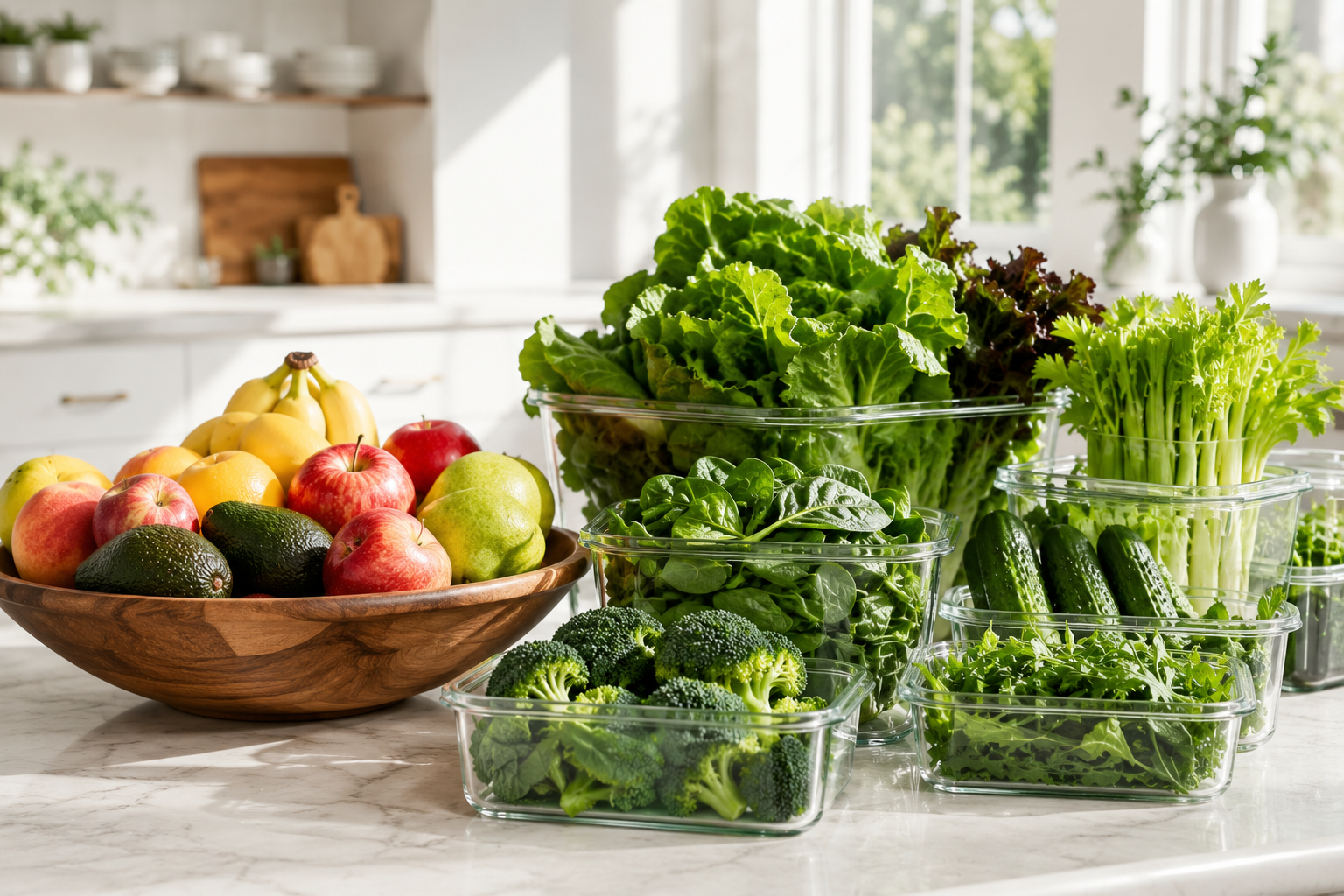
Some fruits naturally release a gas called ethylene as they ripen.
High ethylene producers include:
- Apples
- Bananas
- Avocados
- Peaches
- Pears
This gas speeds up ripening in nearby produce. That’s great if you’re trying to ripen an avocado. It’s not great if your lettuce, cucumbers, or broccoli are sitting right next to it.
To keep vegetables fresh longer:
- Store leafy greens away from apples and bananas.
- Keep ethylene producing fruits in a separate drawer or bowl.
- Check ripening fruits frequently.
This one change alone can noticeably extend produce life.
The Mistake of Washing Everything Immediately
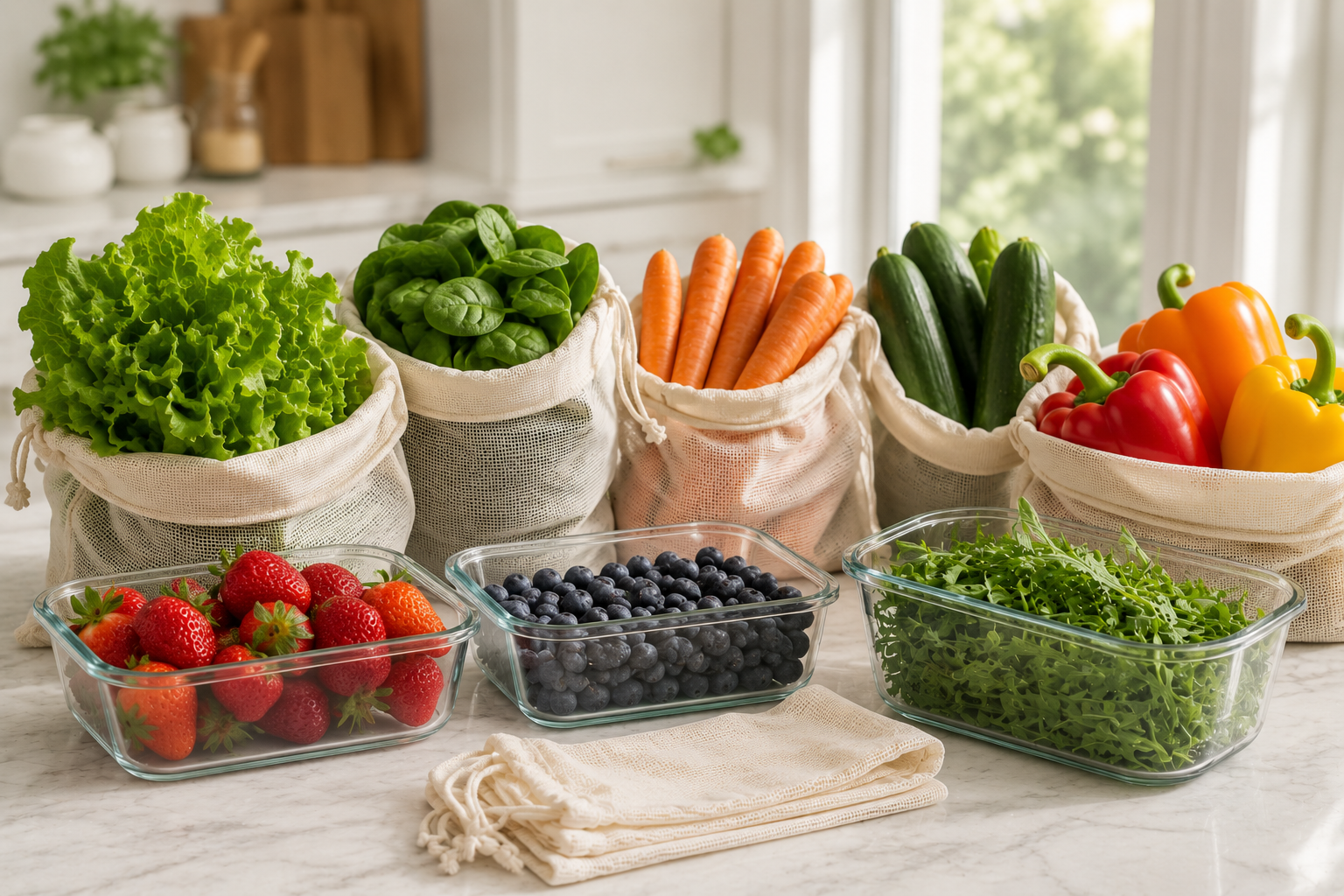
Many people come home from the grocery store and wash all their fruits and vegetables at once.
It seems like a time saver, but excess moisture often causes food to spoil faster.
For most produce:
- Wash only before using.
- Store items dry.
- Remove excess moisture with paper towels if needed.
Berries, leafy greens, and herbs are especially sensitive to extra moisture.
5 Simple Rules to Make Your Food Last Longer
If you’re wondering how to make groceries last longer, start with these five practical habits.
1. Treat Your Herbs Like Fresh Flowers
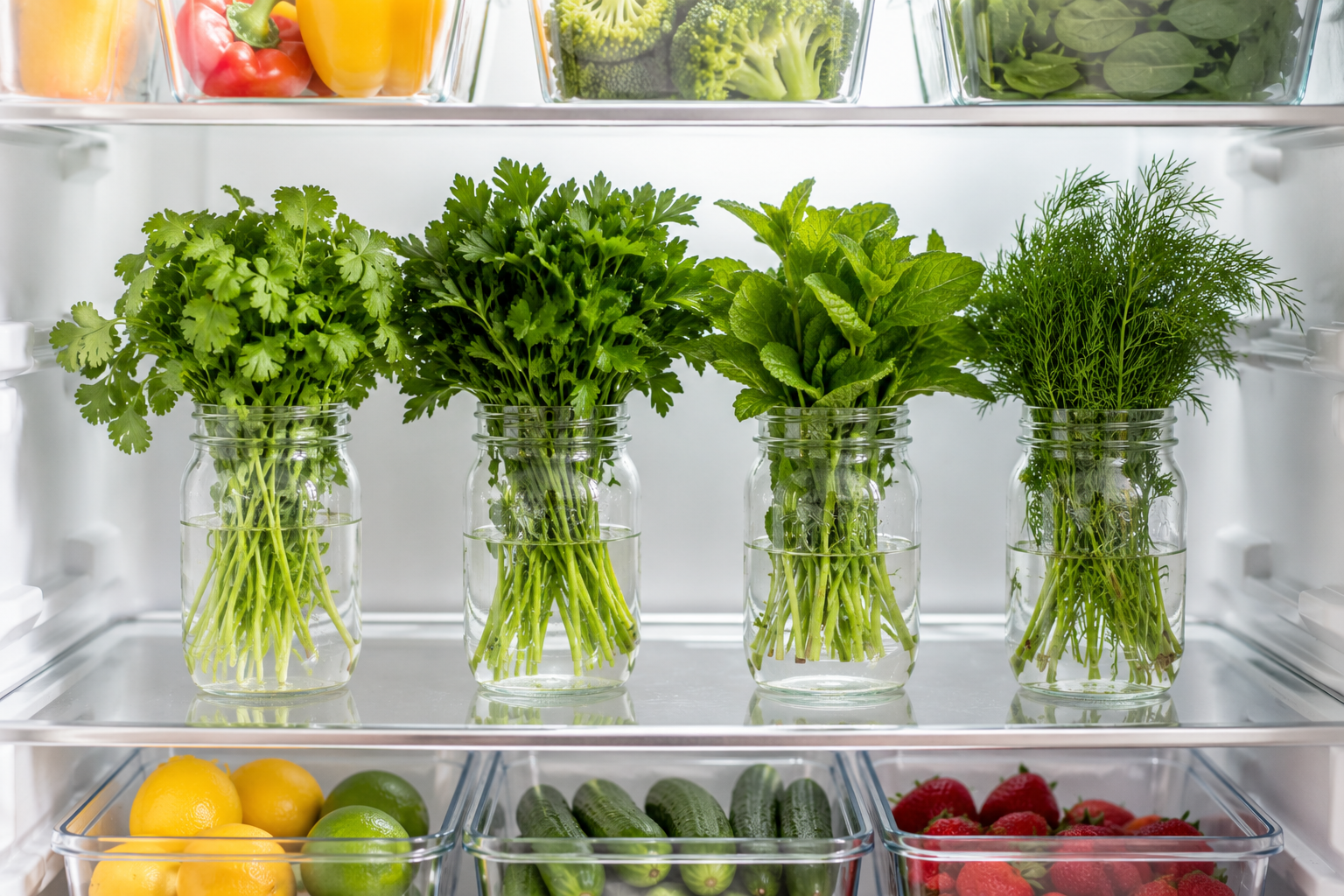
Fresh herbs are often one of the first grocery items to go bad.
Instead of leaving cilantro or parsley in a plastic bag, trim the stems and place them in a glass or jar with a small amount of water.
Then:
- Cover loosely with a plastic bag.
- Store in the refrigerator.
- Change the water every few days.
This method can keep herbs fresh for a week or even longer.
Money-saving tip: Fresh herbs are expensive. Extending their life by even a few days can prevent repeated purchases.
2. The Paper Towel Trick for Leafy Greens
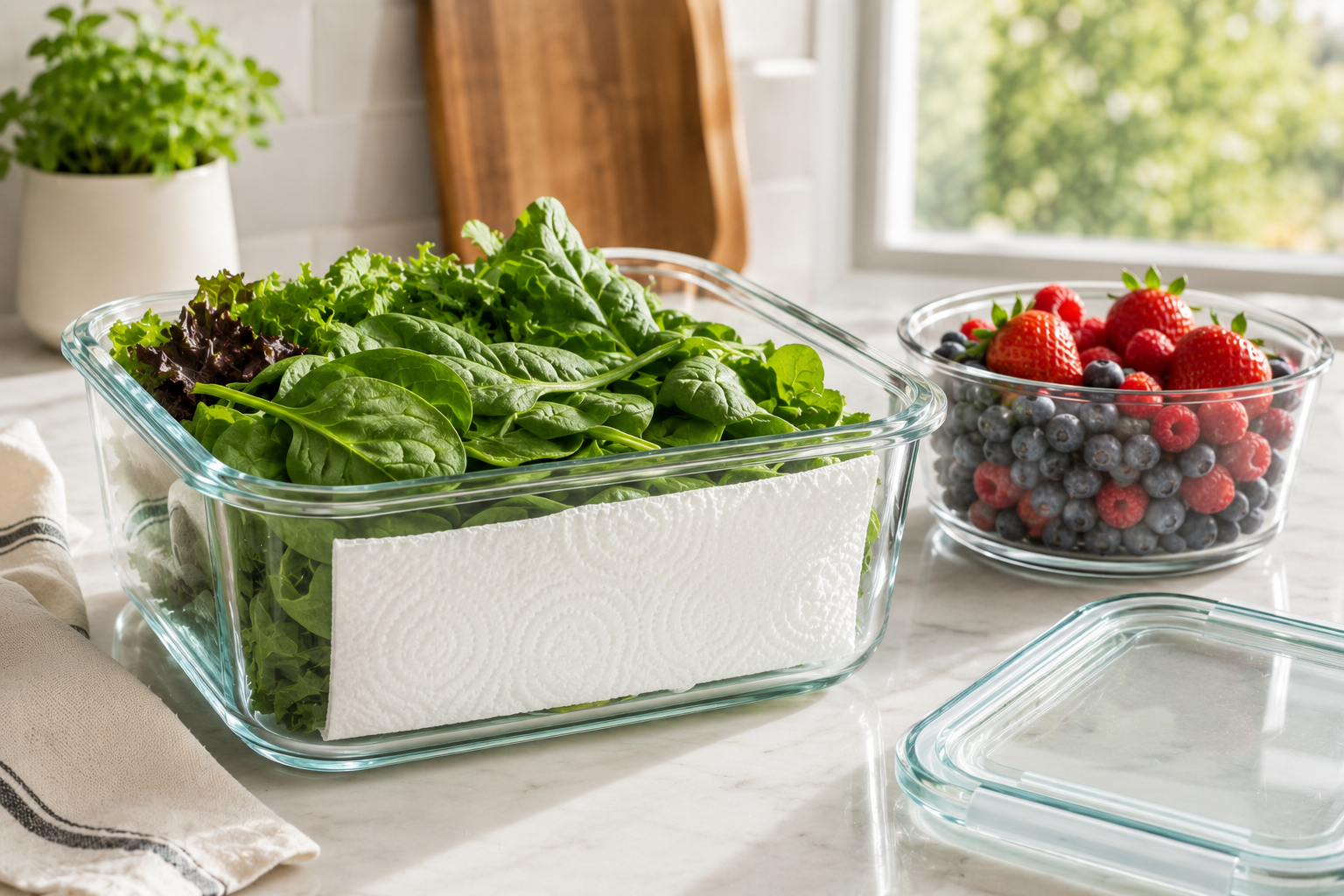
Moisture is often the enemy of freshness.
After bringing home spinach, lettuce, or berries:
- Place a dry paper towel inside the storage container.
- Replace it if it becomes damp.
- Keep containers loosely ventilated when possible.
The paper towel absorbs excess moisture before it can cause spoilage.
Many people are surprised by how well this works for:
- Spinach
- Mixed greens
- Strawberries
- Blueberries
- Raspberries
It’s one of the easiest ways to keep vegetables fresh longer without spending any extra money.
3. Understand Your Fridge Zones
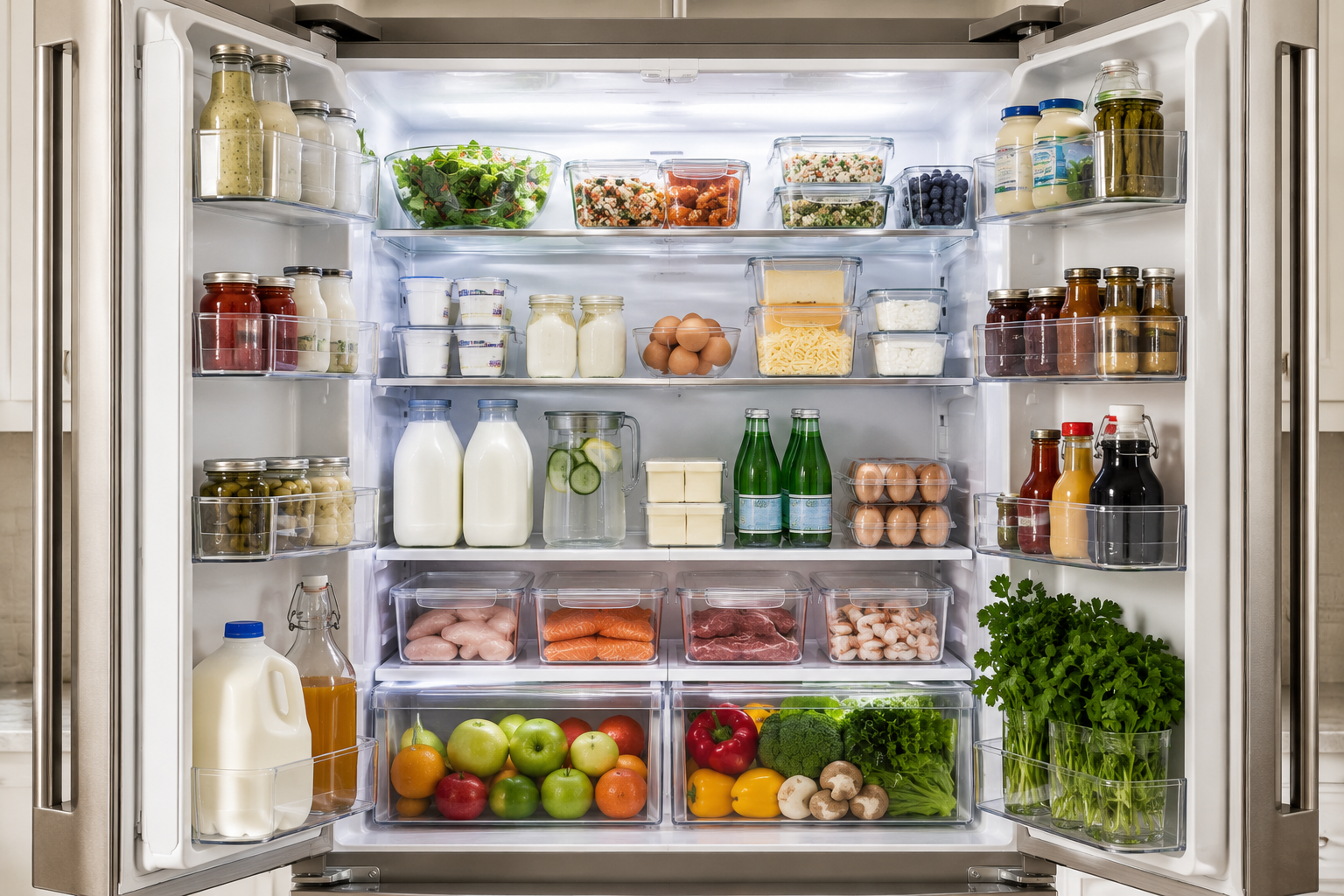
Not every part of your refrigerator has the same temperature.
Knowing where food belongs can make a noticeable difference.
Top Shelves
Best for:
- Leftovers
- Drinks
- Ready-to-eat foods
Middle Shelves
Best for:
- Dairy products
- Yogurt
- Cheese
Bottom Shelves
Best for:
- Raw meat
- Poultry
- Fish
These shelves are usually the coldest.
Crisper Drawers
Best for:
- Fruits
- Vegetables
Most refrigerators include humidity controls that help produce stay fresh longer.
Using proper fridge zones is one of the most effective fridge organization food waste hacks available.
4. Freeze Before You Forget
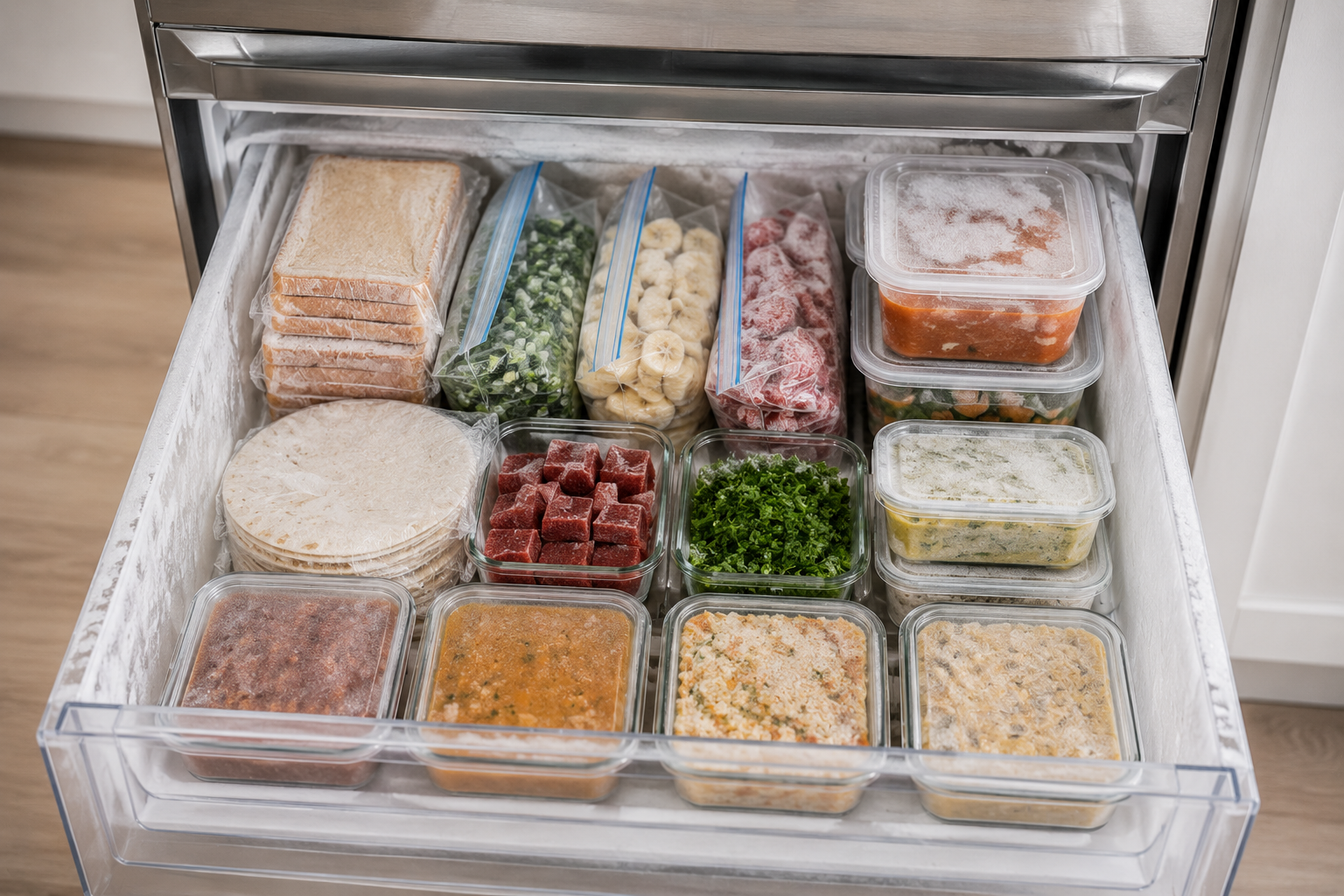
Freezers are one of the most underused tools in the kitchen.
Instead of waiting until food is unusable, freeze it while it’s still good.
Great foods for freezing include:
- Bread
- Tortillas
- Shredded cheese
- Tomato paste
- Cooked rice
- Soups
- Fresh herbs
- Bananas
Brown bananas may not look appealing, but they’re perfect for smoothies, muffins, and banana bread.
A simple rule helps: if you won’t eat it within the next few days, consider freezing it now.
5. First In, First Out
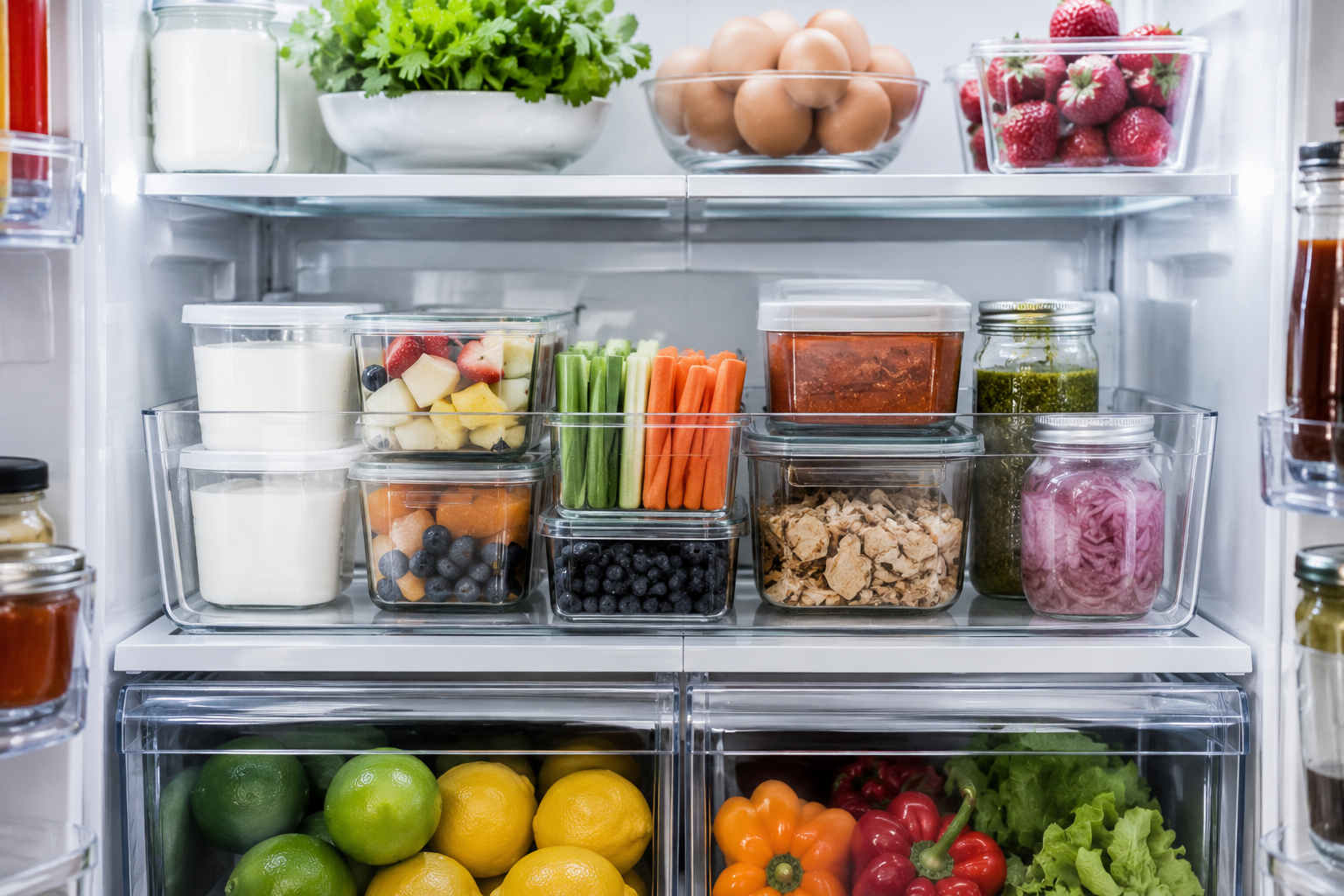
Restaurants use a simple system that works just as well at home.
The idea is simple:
Older food gets used first.
Create a small section in your refrigerator labeled:
“Eat Me First”
Place items there that need attention, such as:
- Leftovers
- Half used vegetables
- Yogurt nearing its date
- Open sauces
- Cut fruit
When looking for a snack or planning dinner, check this section first.
This habit dramatically reduces forgotten food and helps families stop wasting food on a budget.
When Food Looks Fine: Safety and Expiration Dates Explained
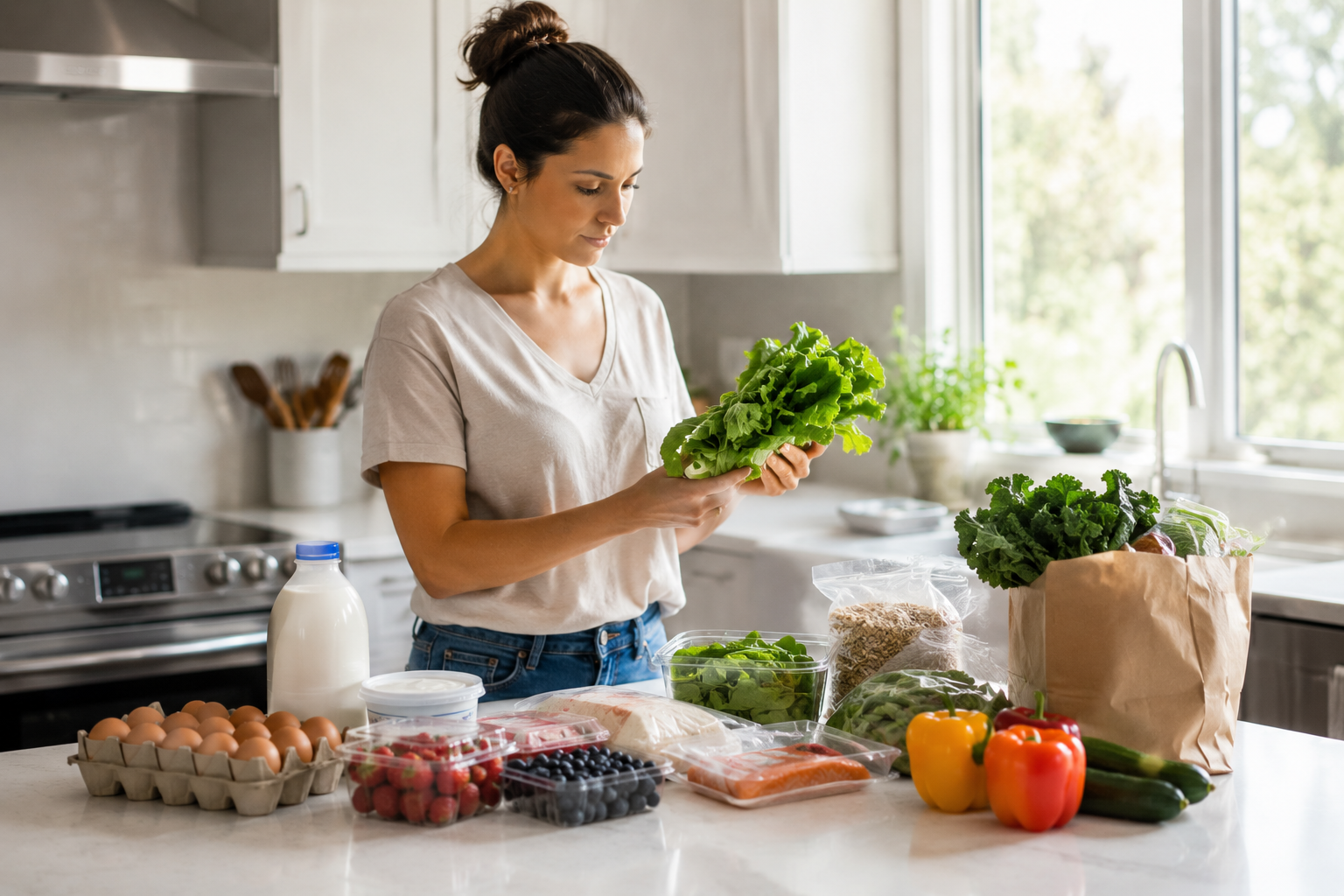
Many perfectly good foods get thrown away because of confusion about date labels.
Here’s what those common labels actually mean:
Best By
This date refers to quality, not safety.
Food may still be perfectly fine after this date if stored properly.
Sell By
This date is intended for stores, not consumers.
It helps retailers manage inventory.
Food is often safe for days or even weeks afterward, depending on the product.
Use By
This is generally the manufacturer’s recommendation for peak quality.
Again, it doesn’t always mean the food suddenly becomes unsafe after that date.
Actual Signs of Spoilage
Trust your senses.
Throw food away if you notice:
- Mold growth
- Sour or unusual odors
- Slimy textures
- Significant color changes
- Bulging containers
Date labels are helpful guidelines, but visible spoilage signs matter more.
Learning the difference can prevent unnecessary waste and save money every month.
Conclusion
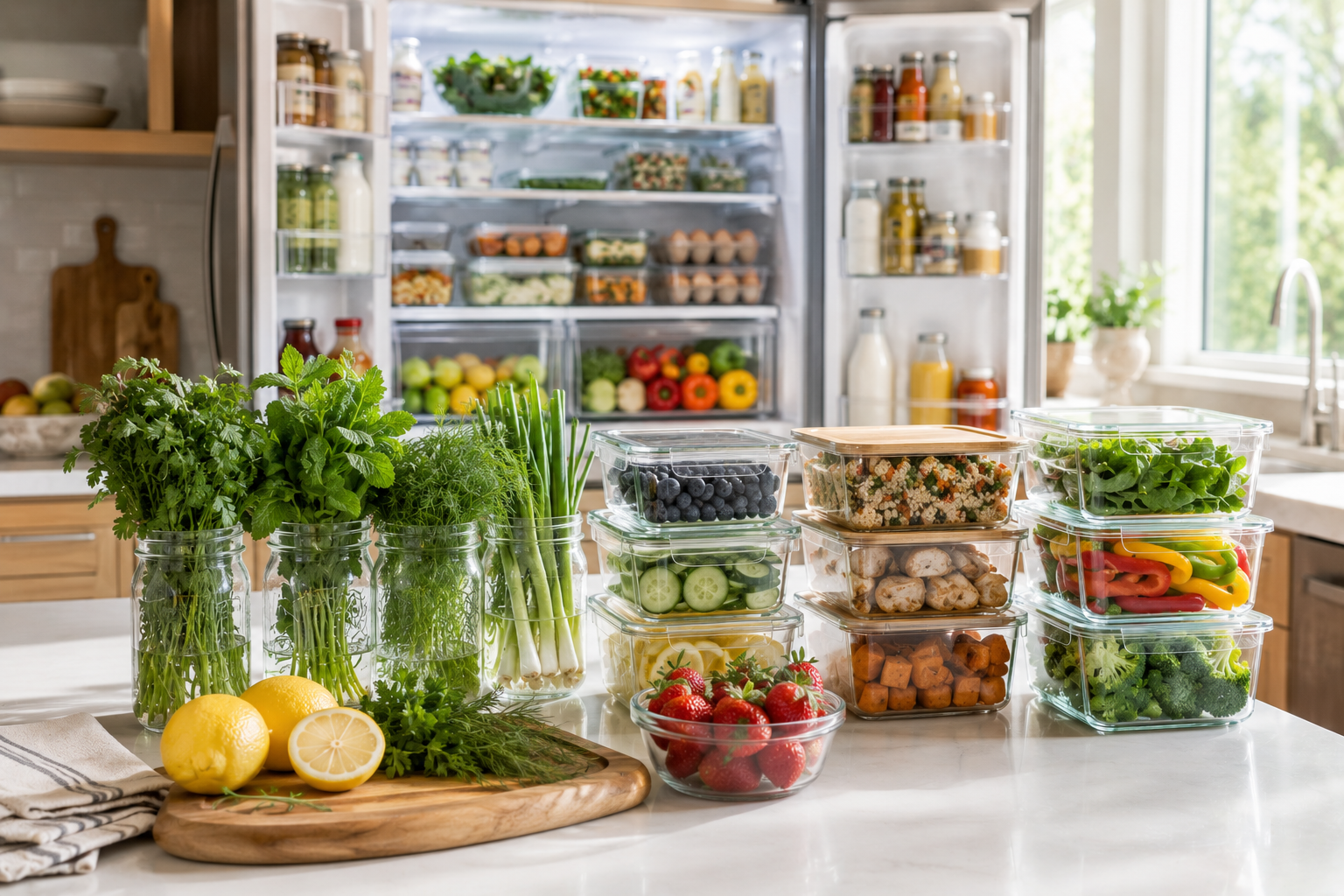
Reducing food waste doesn’t require a complete kitchen makeover. Small changes often make the biggest difference.
Store herbs like flowers. Use paper towels to control moisture. Learn your fridge zones. Freeze food before it’s forgotten. Create an “Eat Me First” section for older items.
These simple habits can help you make groceries last longer, keep vegetables fresh longer, and stop wasting food on a budget without adding extra work to your routine.
The next time you unload groceries, remember this: every item you save from the trash is money that stays in your pocket. A few minutes of smart storage today can lead to a much lighter grocery bill all year long.