

You found the apartment. Right neighborhood, right price, and the landlord seemed friendly. You filled out the application, paid the fee, and waited.
Then the email came. “After reviewing your application, we’re unable to move forward at this time.”
That’s code for one thing: your credit score. And if you’ve been through a job loss, a medical emergency, a divorce, or any kind of financial rough patch, that rejection stings in a way that goes way beyond just losing an apartment. It feels like your past is following you around and blocking every door.
Here’s the truth: it’s not permanent. Your credit score is a math formula, not a life sentence. This guide walks you through exactly how to fix your credit score after a financial setback and start qualifying for the things you need, starting today.
Why a Bad Credit Score Costs You More Than Just an Apartment
Most people assume a low score only matters when you’re borrowing money. The reality is it affects your daily life in ways you probably haven’t even connected yet.

The Real Cost of Subprime Interest Rates
Picture two people financing the same used car for $12,000. Person A has a credit score above 700 and gets a 6% interest rate. Person B has a score under 580 and gets 18%.
Over a five-year loan, Person B pays roughly $4,000 more for the exact same car. That’s not a small gap. That’s rent money, emergency savings, and grocery money walking out the door every single month, just because of a three-digit number.
The sooner you start working to rebuild your credit score fast, the sooner you stop paying that penalty on everything.
How Your Credit Score Affects Renting, Utilities, and Even Your Job
Landlords aren’t the only ones checking. Utility companies in many states can pull your credit and charge a security deposit if your score is low. Some cell phone carriers check it before approving a postpaid plan.
What really surprises people: certain employers run credit checks too, especially for roles that involve handling finances or sensitive data. A damaged credit report can quietly cost you job opportunities you didn’t even know were connected to your score.
5 Steps to Rebuild Your Credit Score Right Now
None of these require a lot of money. Most are completely free. They do require consistency, but you don’t need to do all five at once. Pick the first one and go from there.

1. Pull Your Free Credit Report and Look for Errors
Before you do anything else, go to AnnualCreditReport.com. This is the only federally authorized website where you can get your full credit report from all three bureaus (Equifax, Experian, and TransUnion) at no cost.
Go through each report carefully. You’re looking for:
- Accounts you don’t recognize (possible identity theft or a reporting mix-up)
- Late payments that you actually paid on time
- Balances listed higher than they really are
- Old debts that should have dropped off after seven years
Errors like these are shockingly common, and they can be dragging your score down for no reason at all. If you find one, you have the legal right to dispute it directly with the credit bureau. They have 30 days to investigate and remove anything they can’t verify.
Fixing even one error can raise your score by 20 to 50 points without spending a single dollar.

2. Set Up Autopay for Every Account You Have
Your payment history is the single biggest factor in your credit score. It makes up 35% of your FICO score, more than anything else on the list.
One missed payment can drop your score by 60 to 110 points. One late payment (30 days or more past due) stays on your credit report for seven years.
The fix is simple: set up automatic minimum payments on every account you have right now. You don’t have to pay off the full balance. You just can’t miss a due date.
Most banks and card companies let you do this in under five minutes through their website or app. If you haven’t done it yet, stop reading after this section and go set it up. Protecting your payment history is the highest-return action you can take to raise your credit score over time.
3. Try Experian Boost for a Quick Score Bump
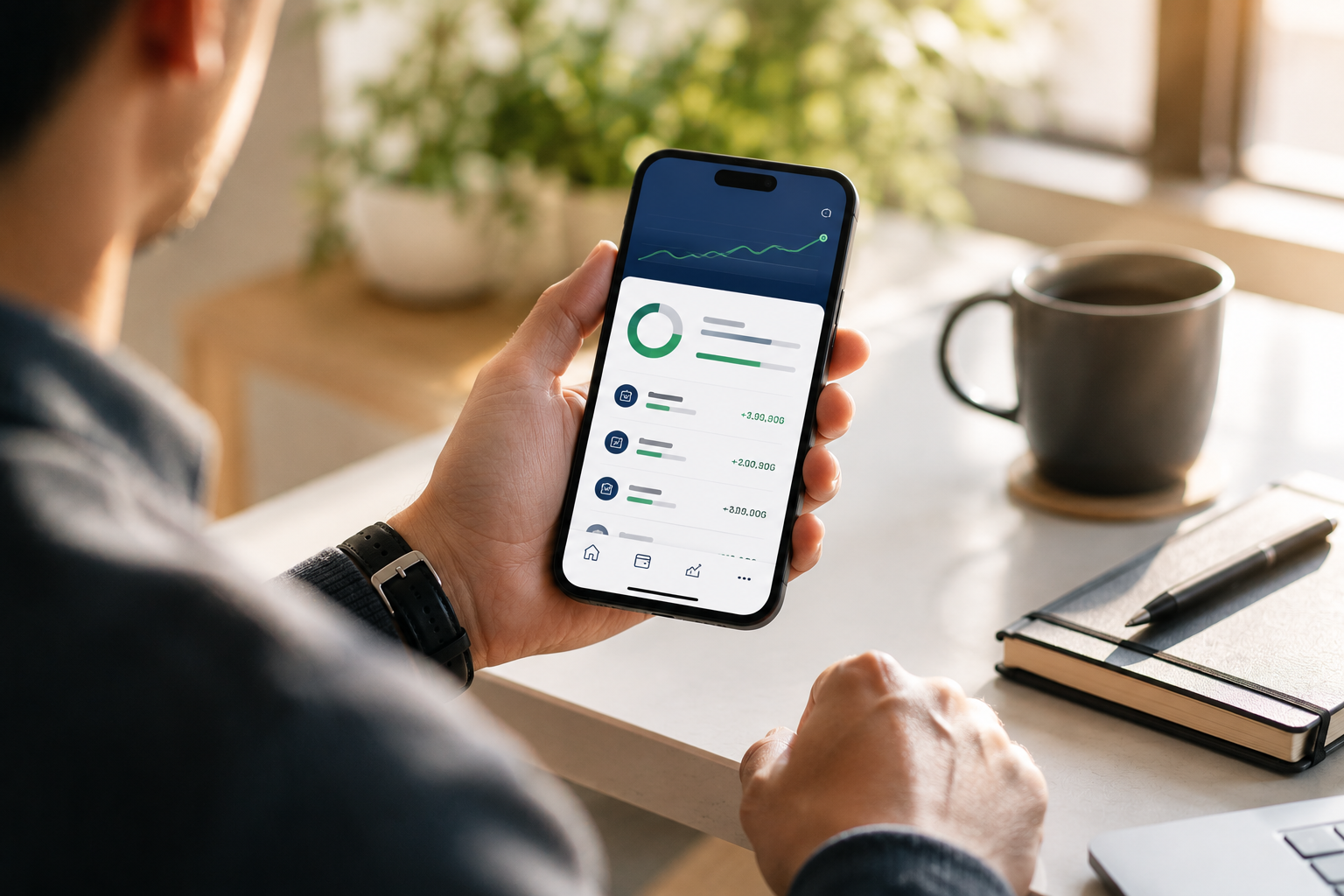
If your credit file is thin, or you’re trying to build positive history after a setback, Experian Boost is a free tool that can help right away.
Here’s how it works: you connect your bank account, and the platform scans for regular on-time payments you’re already making, like your phone bill, electricity, gas, internet, or even some streaming subscriptions. Those payments normally don’t show up on your credit report at all.
Experian Boost adds them to your Experian file and recalculates your score on the spot. Some users see a 10 to 20 point jump immediately. It won’t transform a severely damaged score overnight, but it’s free, it takes about 10 minutes, and it’s one of the easiest quick wins available to someone who’s trying to improve their credit rating from scratch.

4. Get a Secured Credit Card and Use It Carefully
A secured credit card is one of the best tools for rebuilding credit when your score is low, because almost anyone can get approved for one.
Here’s how it works: you put down a cash deposit (usually $200 to $500) that becomes your credit limit. You use the card for small, regular purchases and pay it off every month. Because your deposit covers the lender’s risk, approval is much easier. And because your payments get reported to all three credit bureaus just like a regular card, you’re building positive credit history every single month.
A few tips to get the most out of it:
- Use it for one small recurring charge (a streaming subscription or a gas fill-up) so you’re not tempted to overspend.
- Pay the full balance every month, not just the minimum. This keeps you from paying interest and shows the bureaus you’re managing credit responsibly.
- Compare cards with no annual fee. OpenSky Secured Visa, Discover it Secured, and Capital One Platinum Secured are popular options worth looking at.
After 12 to 18 months of consistent on-time payments, many issuers will upgrade you to a regular unsecured card and refund your deposit.

5. Keep Your Credit Utilization Under 30%
Credit utilization is the percentage of your available credit that you’re currently using. It makes up 30% of your FICO score, which makes it the second most important factor after payment history.
The simple rule: keep your balance below 30% of your credit limit on each card and across all your cards combined. If your secured card has a $300 limit, try to keep your balance under $90 at any given time.
If paying down your balances isn’t realistic right now, there’s another move: call your card issuer and ask for a credit limit increase. If your balance stays the same but your limit goes up, your utilization percentage drops automatically, and your score can go up with it.
Watch Out for Credit Repair Scams

Once you start searching for ways to fix your credit score after a financial setback, you’ll start seeing a lot of ads. “Remove all negative items guaranteed.” “Boost your score 100 points in 60 days.” Some of these companies charge $50 to $150 per month, or a fee for every negative item they claim to delete.
Here’s what they won’t tell you: everything a credit repair company does, you can do yourself for free. Disputing errors, writing goodwill letters to creditors, requesting debt validation, all of it is your legal right under the Fair Credit Reporting Act.
On top of that, charging upfront fees before delivering services is illegal under the Credit Repair Organizations Act. If a company asks for payment before they’ve done anything, walk away.
If you genuinely want professional guidance and don’t know where to start, look for a certified nonprofit credit counselor instead. The National Foundation for Credit Counseling (NFCC) at nfcc.org connects people with low-cost and sometimes free counselors who are working for you, not off your desperation.
How Long Does Credit Recovery Actually Take?

There’s no honest answer that says “three months.” Anyone promising that is lying.
What’s realistic: with consistent on-time payments, low utilization, and no new negative marks, most people see a meaningful improvement of 30 to 60 points or more within six to twelve months. Major negative items like bankruptcies or charge-offs don’t disappear quickly, but their impact weakens over time, especially when you’re stacking positive history on top of them.
Credit recovery takes patience. But every single month you stay consistent, you are moving forward.
Start tonight. Pull your free credit report at AnnualCreditReport.com. Set up autopay in the morning. Look into a secured card this weekend. None of these steps is hard on its own. Together, they build the kind of credit profile that gets you a “yes” instead of a rejection email.
You’ve already survived whatever knocked your score down. This next part is just showing up and following the steps.