Many professionals dream about traveling more, but work responsibilities often get in the way. This article offers practical travel tips for busy professionals who want to make the most of their limited time.
Between deadlines, meetings, family commitments, and limited vacation days, it can feel almost impossible to plan meaningful trips. As a result, many people postpone travel until they have more time, more money, or the perfect opportunity. Unfortunately, that perfect moment rarely arrives.
The good news is that frequent travel is not reserved for people with unlimited free time. Many working professionals successfully explore new destinations throughout the year by using smarter planning strategies rather than waiting for long vacations.
Whether you work in an office, manage a business, or work remotely, travel can become a realistic part of your lifestyle without negatively affecting your career.
This guide will show you how to travel more often, make the most of limited vacation days, reduce planning stress, and enjoy meaningful adventures even with a busy schedule.
However, having a demanding career does not mean you have to give up on travel entirely. With the right planning approach, even busy professionals can enjoy meaningful trips throughout the year.
Why Travel Matters for Busy Professionals
Travel is often viewed as a luxury, but it can provide benefits that directly support both personal wellbeing and professional performance.
Many professionals spend most of their time focused on work obligations. Over time, this can lead to mental fatigue, stress, reduced creativity, and burnout.
Travel creates opportunities to step away from daily routines and experience new environments.
Benefits of regular travel include:
- Reduced stress levels
- Improved mental wellbeing
- Better work-life balance
- Increased creativity
- Stronger relationships
- Greater motivation at work
- Improved problem-solving skills
In fact, many professionals discover that regular travel helps them return to work feeling more focused, motivated, and productive.
Research has shown that taking breaks from work can improve focus and productivity after returning to normal routines.
For many professionals, travel is not about escaping work permanently. It is about creating opportunities to recharge and return with renewed energy.
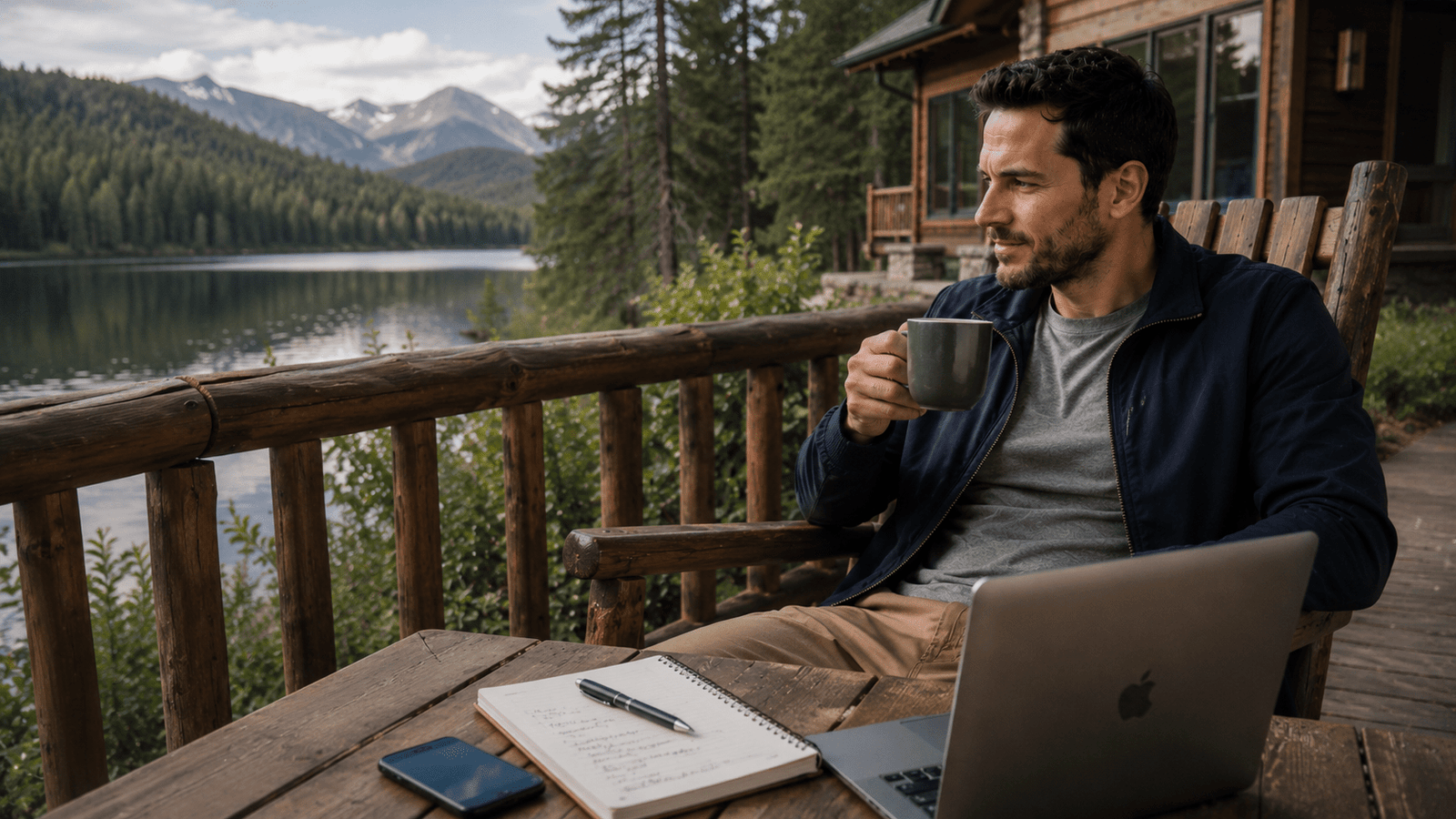
The Biggest Travel Challenges Professionals Face
Before creating a travel strategy, it is important to understand the challenges that prevent many people from traveling regularly.
Limited Vacation Days
One of the most common barriers is limited paid time off.
Many employees save vacation days for major holidays or family events, leaving little flexibility for personal travel.
As a result, many professionals delay travel plans even when they genuinely need a break.
Busy Work Schedules
Work responsibilities often create uncertainty.
Professionals may worry about:
- Missing important meetings
- Falling behind on projects
- Managing client expectations
- Returning to a heavy workload
Furthermore, unexpected work responsibilities can make travel planning feel even more difficult.
Planning Fatigue
Travel planning itself can feel like a second job.
Choosing destinations, booking flights, researching accommodations, and organizing activities can quickly become overwhelming.
Budget Concerns
Many people assume travel always requires large financial investments.
While some trips can be expensive, smart planning often makes travel more affordable than expected.
Fortunately, strategic planning often makes travel more affordable than most people expect.
Family Responsibilities
Parents and caregivers frequently need to coordinate schedules with multiple family members, making spontaneous travel difficult.
Recognizing these challenges is important because effective travel strategies are designed to overcome them.
How Successful Professionals Travel More Often
The biggest misconception about travel is that people need weeks of free time to enjoy meaningful experiences.
In reality, many frequent travelers focus on consistency rather than duration.
Instead of taking one large vacation every year, they plan multiple shorter trips throughout the year.
For example:
| Travel Style | Trips Per Year | Typical Length |
|---|---|---|
| Traditional Vacation | 1 to 2 | 7 to 14 days |
| Strategic Travel | 4 to 8 | 2 to 5 days |
Instead of waiting for a perfect vacation window, frequent travelers focus on creating multiple opportunities throughout the year.
Shorter trips often require:
- Less planning
- Lower budgets
- Fewer vacation days
- Less disruption to work schedules
This approach allows professionals to experience more destinations while maintaining career responsibilities.
Adopt the Weekend Travel Mindset
One of the most effective strategies for busy professionals is learning how to maximize weekends.
Many people overlook destinations that can be reached within a few hours of home.
Weekend travel offers several advantages:
- Minimal vacation day usage
- Lower planning complexity
- Reduced travel costs
- More frequent travel opportunities
A well-planned three-day weekend can provide many of the same mental health benefits as a longer vacation.
Professionals who travel regularly often treat long weekends as mini-adventures rather than waiting for annual vacations.
This strategy creates more opportunities to explore new places without disrupting work commitments.
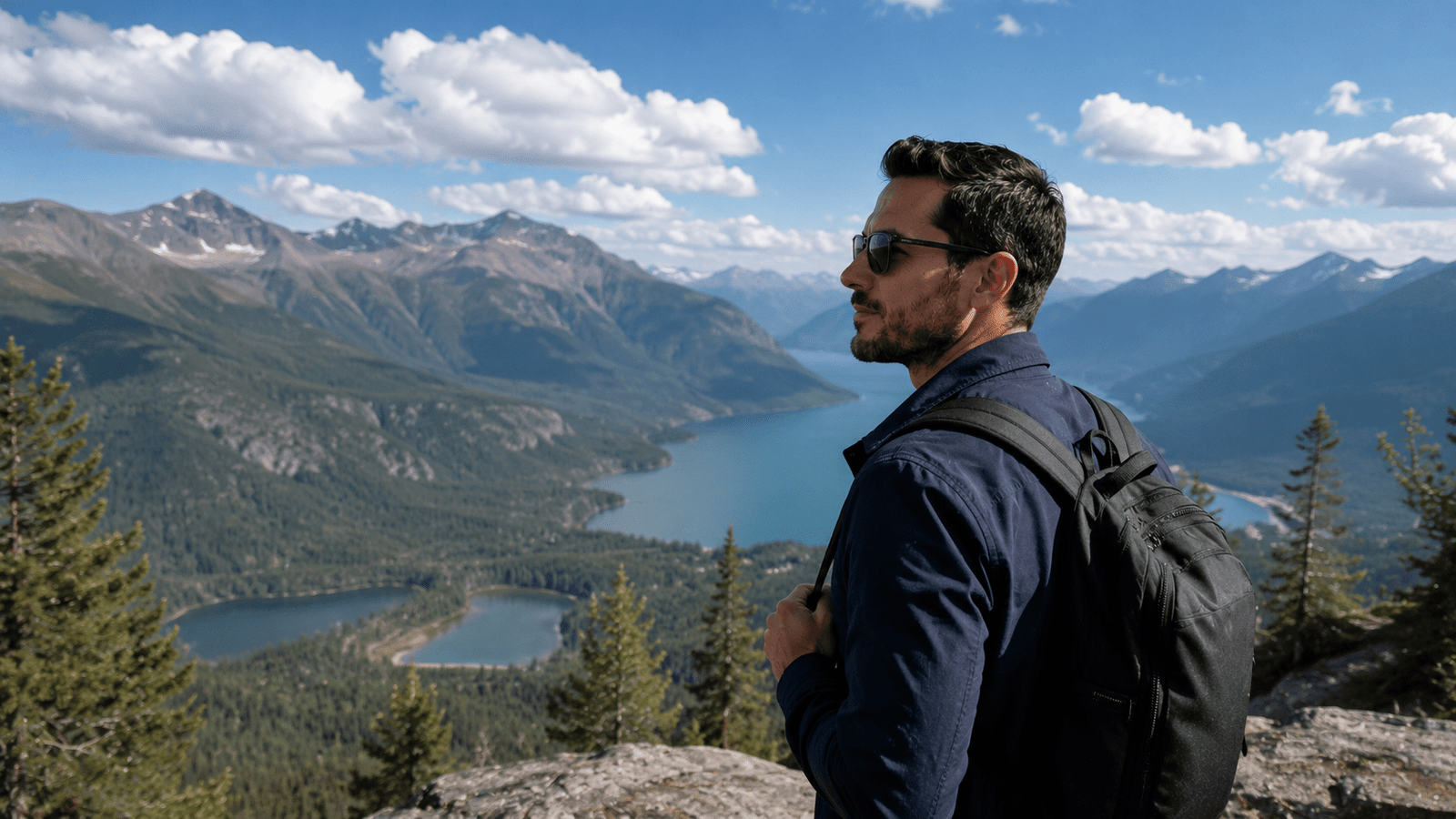
Plan Travel Around Your Calendar, Not Around Destinations
Many people choose a destination first and then try to fit it into their schedules.
Successful travelers often reverse this process.
They begin by reviewing:
- Public holidays
- Long weekends
- Existing vacation days
- Company schedules
- Family commitments
Once available travel windows are identified, destinations can be selected based on the time available.
This method reduces scheduling conflicts and increases the likelihood that trips will actually happen.
For example:
| Available Time | Ideal Trip Type |
|---|---|
| 2 Days | Local getaway |
| 3 Days | Regional destination |
| 4 to 5 Days | Domestic adventure |
| 7+ Days | International travel |
This simple planning framework helps professionals use time more efficiently.
Build a Dedicated Travel Fund
Financial uncertainty prevents many people from traveling.
Creating a separate travel fund can make trip planning much easier.
Simple strategies include:
- Automatic monthly savings
- Travel reward programs
- Cashback credit card rewards
- Dedicated travel budgets
Even modest monthly contributions can accumulate over time.
For example:
| Monthly Savings | Annual Travel Budget |
|---|---|
| $50 | $600 |
| $100 | $1,200 |
| $200 | $2,400 |
| $300 | $3,600 |
A dedicated travel budget removes much of the financial stress associated with planning trips.
Focus on Experiences Instead of Checklists
Many travelers try to fit too many activities into limited time.
Busy professionals often benefit from a different approach.
Instead of trying to see everything, focus on a few meaningful experiences.
Examples include:
- Exploring a national park
- Visiting a coastal town
- Hiking a scenic trail
- Experiencing local food culture
- Visiting historical landmarks
Prioritizing quality experiences often creates more memorable trips while reducing stress.

Key Takeaways
- You do not need months of free time to travel regularly.
- Short, strategic trips often work better for busy professionals than long vacations.
- Weekend travel can significantly increase travel opportunities.
- Planning around your calendar improves trip success rates.
- Dedicated travel savings reduce financial barriers.
- Meaningful experiences matter more than crowded itineraries.
Internal Linking Opportunities (For Future Cluster Articles)
Later we will naturally link to:
- Best Weekend Getaways for Busy Professionals in the USA
- How to Plan a Stress-Free Trip When You Work Full Time
- Ultimate Travel Packing Checklist for Short Trips
- Best Travel Apps for Planning Your Next Adventure
- Adventure Travel Ideas for First-Time Explorers
How to Plan Stress-Free Trips When You Work Full Time
Many professionals avoid traveling because planning feels overwhelming.
Finding flights, comparing hotels, organizing transportation, researching attractions, and coordinating schedules can quickly turn an exciting trip into a stressful project.
The key is to simplify the process.
Instead of planning every detail at once, break travel planning into smaller steps.
A simple travel planning framework can make almost any trip easier to organize.
Step 1: Define Your Travel Window
Start with the time available.
Ask yourself:
- How many days do I realistically have?
- Can I extend a weekend?
- Are there upcoming public holidays?
- Do I need to use vacation days?
The available time should determine the type of trip you plan.
Step 2: Set a Budget
Determine your spending range before researching destinations.
Include:
- Transportation
- Accommodation
- Food
- Activities
- Emergency expenses
A clear budget reduces decision fatigue and helps narrow your options.
Step 3: Choose One Primary Goal
Every trip should have a primary purpose.
Examples:
- Relaxation
- Adventure
- Nature exploration
- Cultural experiences
- Family time
Trying to accomplish everything usually leads to unnecessary stress.
Step 4: Book Major Items Early
Focus on:
- Flights
- Accommodation
- Transportation
Once these are secured, most of the trip becomes significantly easier to manage.
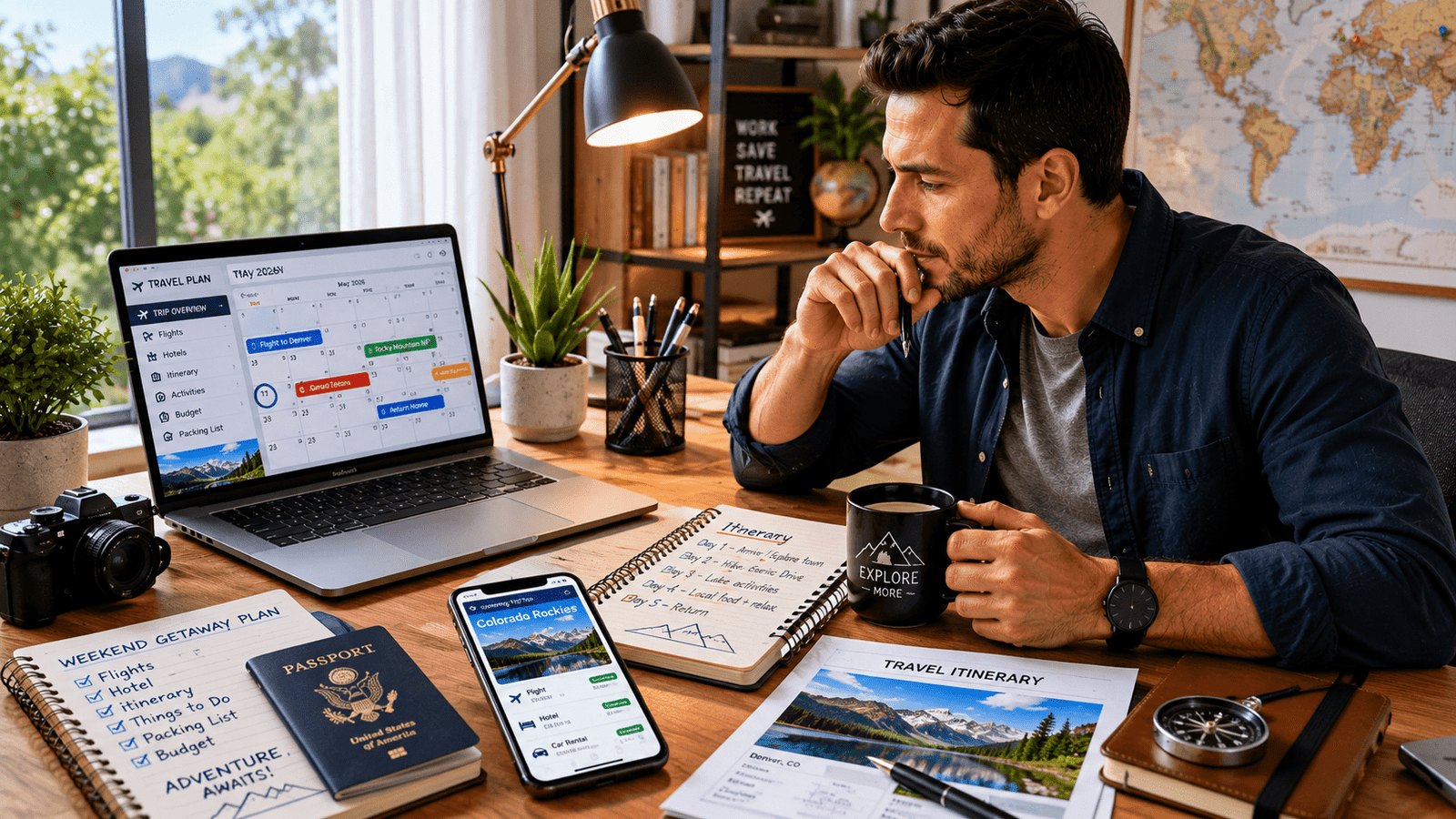
The 80/20 Travel Planning Rule
One mistake many travelers make is overplanning.
You do not need a detailed schedule for every hour of your trip.
A useful approach is the 80/20 rule.
Plan:
- Transportation
- Accommodation
- One or two major activities
Leave:
- Free exploration time
- Flexible meal plans
- Unscheduled downtime
This creates a balance between structure and spontaneity.
Many of the best travel experiences happen unexpectedly.
Use Technology to Save Time
Travel technology has dramatically reduced the amount of planning required.
Instead of visiting dozens of websites, modern travelers can manage most trip details through a few applications.
Useful travel app categories include:
- Flight booking apps
- Hotel booking apps
- Navigation apps
- Language translation apps
- Expense tracking apps
- Itinerary management apps
Technology can eliminate hours of manual research and simplify travel logistics.
Later in this cluster, we will explore Best Travel Apps for Planning Your Next Adventure in detail.
Create a Personal Travel System
Frequent travelers often follow repeatable systems.
Rather than starting from scratch for every trip, they use templates and checklists.
Examples include:
Standard Packing Checklist
Reusable for every trip.
Travel Document Folder
Contains:
- Passport copies
- Travel insurance
- Reservations
- Emergency contacts
Booking Checklist
Includes:
- Flights
- Hotels
- Transportation
- Activities
Systems reduce mistakes and make future travel easier.
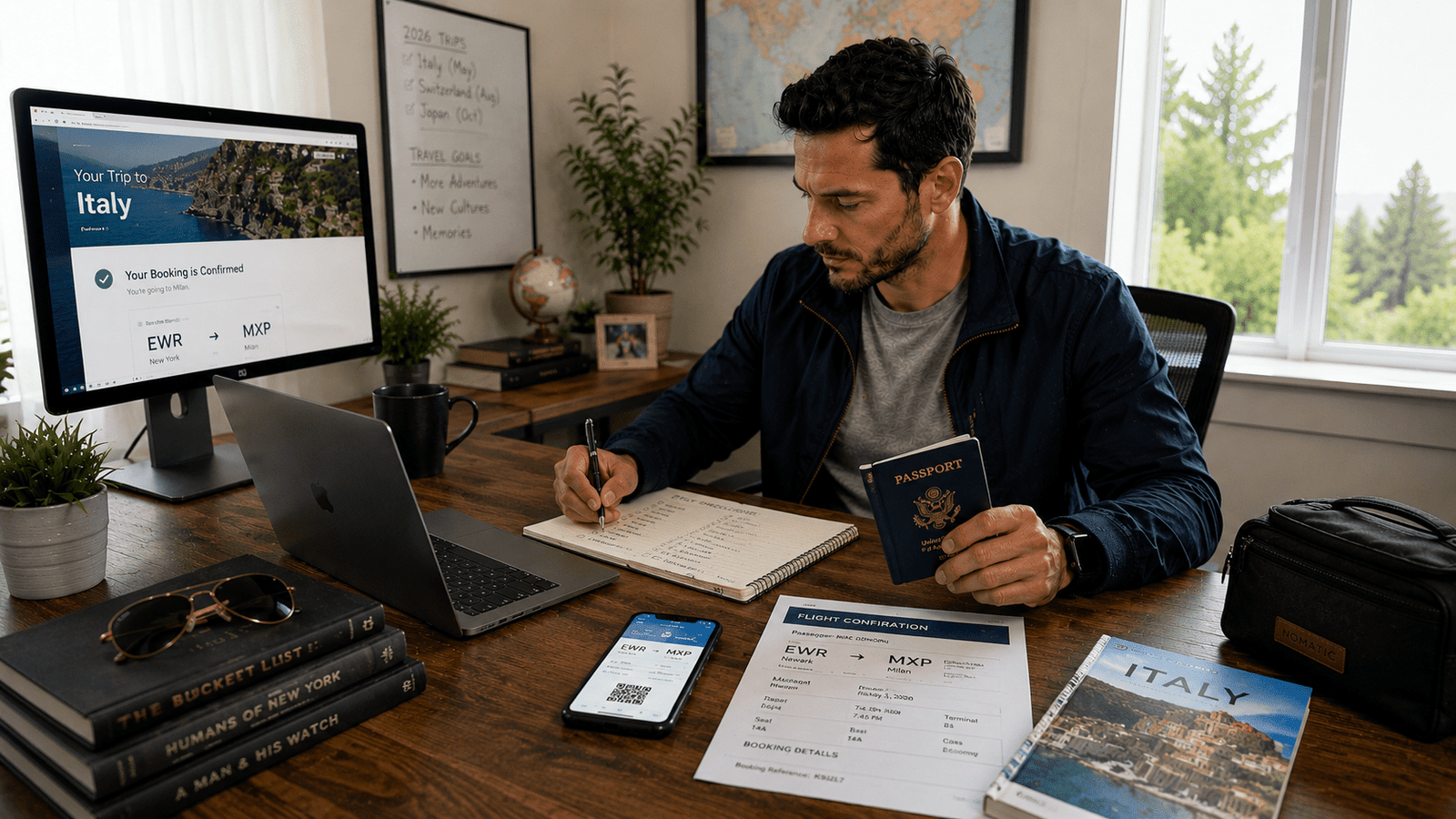
How to Travel More While Working Full Time
Many professionals assume frequent travel requires quitting their jobs.
In reality, many people travel regularly while maintaining demanding careers.
The key is maximizing available opportunities.
Strategies include:
Use Long Weekends
Three day weekends create excellent travel opportunities.
Combine Business and Leisure Travel
If work requires travel, consider adding an extra day or two for personal exploration.
Travel During Off Peak Seasons
Benefits include:
- Lower prices
- Smaller crowds
- Better availability
Take Multiple Small Trips
Instead of one major annual vacation, consider:
- Four weekend trips
- Two medium length trips
This often creates more travel experiences throughout the year.
Managing Work While Traveling
Some professionals need to remain partially connected during trips.
This requires careful planning.
Set Expectations Before Departure
Inform colleagues:
- When you are available
- When you are unavailable
- Emergency contact procedures
Automate Where Possible
Use:
- Calendar scheduling tools
- Email autoresponders
- Task management software
Protect Personal Time
One of the biggest travel mistakes professionals make is staying connected constantly.
Travel should include periods of genuine disconnection whenever possible.
Choosing Destinations Efficiently
Many travelers spend more time choosing destinations than actually planning trips.
A simple destination framework can help.
Weekend Trips
Ideal distance:
- Within driving distance
- Short domestic flights
Four to Five Day Trips
Ideal for:
- National parks
- Major cities
- Adventure destinations
Week Long Trips
Suitable for:
- International travel
- Multi-city itineraries
- Major adventures
Choosing destinations based on available time improves overall trip quality.

Travel and Work-Life Balance
Travel is not simply about visiting new places.
It is also an important part of maintaining balance.
Professionals who never disconnect from work often experience:
- Increased stress
- Mental fatigue
- Burnout
- Reduced productivity
Travel creates opportunities to:
- Recharge mentally
- Gain new perspectives
- Improve relationships
- Increase creativity
Many successful professionals treat travel as an investment in wellbeing rather than an expense.
Travel Safety Tips for Busy Professionals
Preparation helps reduce travel risks.
Before every trip:
Review Local Conditions
Check:
- Weather
- Transportation updates
- Travel advisories
Share Your Itinerary
Provide important details to a trusted friend or family member.
Back Up Important Documents
Store digital copies of:
- Passport
- Identification
- Reservations
- Insurance information
Maintain Emergency Funds
Unexpected situations can occur during any trip.
Emergency funds provide flexibility and peace of mind.
Common Travel Mistakes Professionals Should Avoid
Waiting for the Perfect Time
Perfect timing rarely exists.
Overpacking
Packing too much creates unnecessary stress.
Overplanning
Leave room for flexibility.
Ignoring Recovery Time
Avoid scheduling major work commitments immediately after returning.
Focusing Only on Destinations
Memorable experiences often matter more than famous locations.
Quick Travel Planning Checklist
Before Every Trip:
✓ Confirm travel dates
✓ Set budget
✓ Book transportation
✓ Reserve accommodation
✓ Purchase travel insurance if necessary
✓ Prepare packing list
✓ Share itinerary
✓ Download important travel apps
✓ Back up documents
✓ Arrange work responsibilities

Key Takeaways
- Stress free travel begins with simple planning systems.
- Busy professionals can travel regularly without taking long vacations.
- Technology reduces planning time significantly.
- Travel systems improve efficiency and reduce mistakes.
- Maintaining work-life balance should remain a priority during travel.
- Short, meaningful trips often provide the greatest return on time invested.
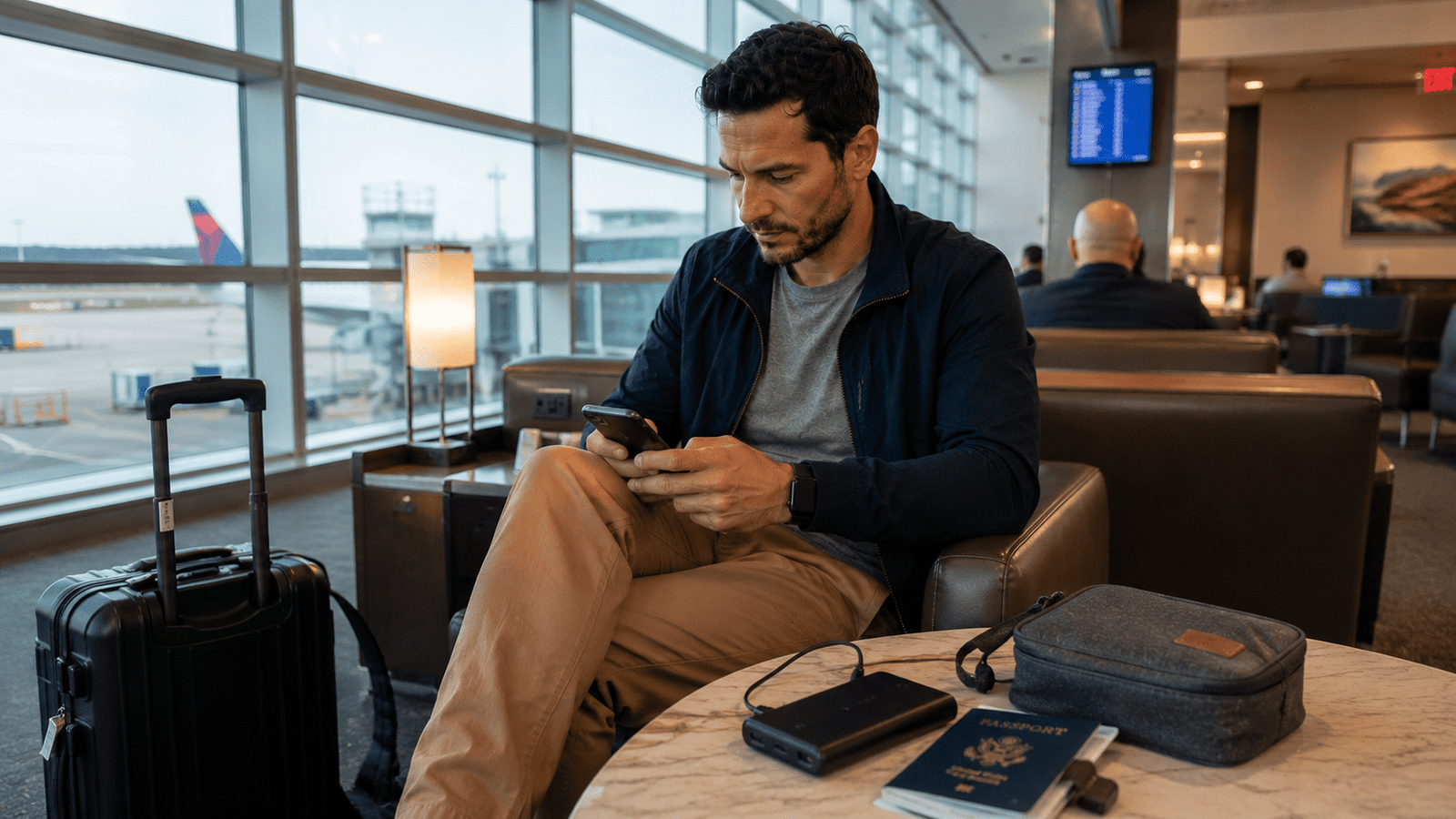
Best Travel Gear for Busy Professionals
The right travel gear can save time, reduce stress, and improve comfort during every trip.
Busy professionals benefit most from travel equipment that is practical, lightweight, and versatile.
Carry-On Luggage
A quality carry-on bag offers several advantages:
- Faster airport experiences
- No baggage claim delays
- Reduced risk of lost luggage
- Easier mobility
For short trips, carry-on luggage is often all you need.
Packing Cubes
Packing cubes help organize:
- Clothing
- Electronics
- Toiletries
- Travel documents
They make packing and unpacking much faster.
Portable Power Bank
Modern travelers depend heavily on smartphones for:
- Navigation
- Communication
- Booking confirmations
- Travel apps
A reliable power bank provides peace of mind during long travel days.
Noise-Canceling Headphones
These can significantly improve comfort during:
- Flights
- Train rides
- Airport layovers
- Remote work sessions
Reusable Water Bottle
Staying hydrated improves energy levels and helps reduce travel fatigue.
How to Travel on a Busy Professional’s Budget
Many people assume frequent travel requires a large income.
In reality, strategic planning often matters more than budget size.
Travel During Off-Peak Seasons
Benefits include:
- Lower airfare
- Better hotel rates
- Smaller crowds
Book Early
Early bookings often provide:
- Better pricing
- Greater availability
- More accommodation choices
Use Travel Rewards
Travel rewards programs can help reduce costs for:
- Flights
- Hotels
- Car rentals
Focus on Shorter Trips
Weekend trips often provide excellent value while requiring less spending.

Best Weekend Travel Ideas for Working Professionals
Weekend travel remains one of the most effective ways to travel more frequently.
Popular options include:
National Parks
Perfect for:
- Hiking
- Nature photography
- Outdoor adventures
Coastal Towns
Ideal for:
- Relaxation
- Scenic walks
- Local dining experiences
Mountain Destinations
Great for:
- Adventure activities
- Stress relief
- Outdoor recreation
Historic Cities
Excellent for:
- Culture
- Museums
- Architecture
- Food experiences
Later in this cluster, we will explore Best Weekend Getaways for Busy Professionals in the USA in greater detail.
The Future of Travel for Professionals
Technology continues to transform how people travel.
Emerging trends include:
AI-Powered Travel Planning
Travel platforms increasingly provide:
- Personalized recommendations
- Automated itineraries
- Smart booking suggestions
Flexible Work Arrangements
Remote and hybrid work models allow many professionals to travel more frequently than ever before.
Digital Travel Management
Modern travelers can manage entire trips from their smartphones.
Experience-Based Travel
Many travelers are shifting their focus from sightseeing to meaningful experiences.
Examples include:
- Wellness retreats
- Adventure travel
- Local cultural experiences
- Outdoor exploration
Recommended Travel Resources
For reliable travel information and planning support:
U.S. Department of State Travel Information
Transportation Security Administration
Recommended Reading
As this Travel & Adventure cluster grows, explore:
- Best Weekend Getaways for Busy Professionals in the USA
- How to Plan a Stress-Free Trip When You Work Full Time
- Ultimate Travel Packing Checklist for Short Trips
- Best Travel Apps for Planning Your Next Adventure
- Adventure Travel Ideas for First-Time Explorers

Frequently Asked Questions
How can busy professionals travel more often?
Busy professionals can travel more frequently by taking advantage of long weekends, planning shorter trips, using vacation days strategically, and creating a dedicated travel budget.
Is weekend travel worth it?
Yes. Weekend travel provides many of the mental health and stress reduction benefits of longer vacations while requiring less time away from work.
How far in advance should professionals plan trips?
For most domestic trips, planning one to three months in advance provides a good balance between availability and flexibility.
What is the biggest travel mistake busy professionals make?
Waiting for the perfect time to travel is one of the most common mistakes. Short, well-planned trips often create more opportunities for travel throughout the year.
How can I travel while working full time?
By using weekends, public holidays, remote work flexibility, and efficient planning systems, many professionals successfully travel while maintaining full-time careers.
What are the best destinations for short trips?
National parks, coastal towns, mountain destinations, and nearby cities are excellent options for short trips.
How can I reduce travel planning stress?
Use travel apps, create reusable checklists, book major travel components early, and focus on a few meaningful experiences rather than overloading your itinerary.
What travel gear is essential for professionals?
A carry-on bag, packing cubes, power bank, travel documents organizer, and noise-canceling headphones are among the most useful travel essentials.
Final Thoughts
Many professionals believe they need more time, more money, or a different lifestyle before they can travel regularly. In reality, the ability to travel more often usually comes down to planning, priorities, and consistency.
Travel does not have to involve lengthy vacations or complicated itineraries. Short weekend escapes, strategic use of vacation days, and efficient planning systems can create meaningful travel experiences throughout the year.
Whether your goal is to explore national parks, discover new cities, enjoy outdoor adventures, or simply take a break from a demanding schedule, travel can become a realistic and rewarding part of your lifestyle.
The most successful travelers are not necessarily those with the most free time. They are the people who intentionally make room for adventure despite busy schedules.
By applying the strategies in this guide, you can travel more often, reduce planning stress, improve work-life balance, and create memorable experiences without sacrificing your professional goals.