
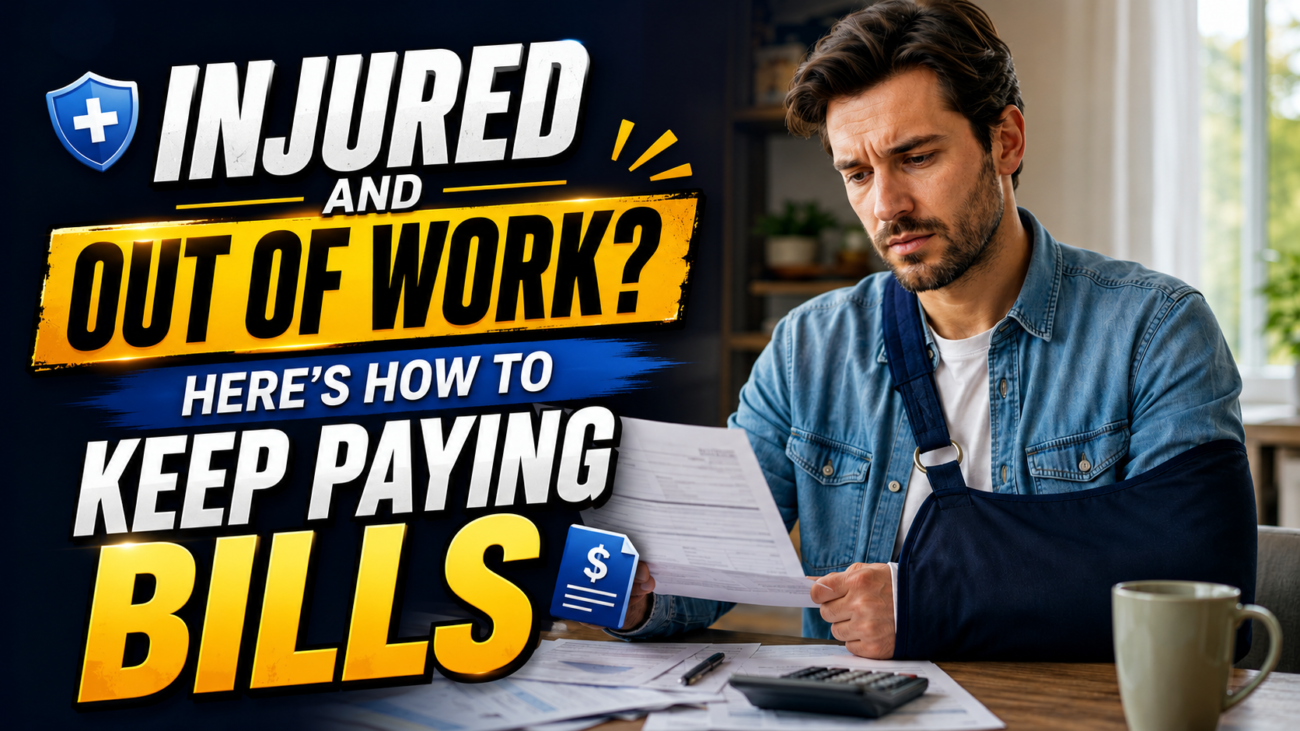
Who can blame you if money isn’t your first concern when you’re sick or injured? You’re probably only thinking about how long it will take to get well again. But at some point, you’ll have to deal with your finances, especially when the bills start piling up.
Paying bills after an injury isn’t an option. Late payments can have serious consequences, such as compound interest on credit cards or even losing your car or home. However, there are ways to get through this difficult time and keep your bills under control. Let’s look at some sensible steps.
Start with Your Employer and the Benefits Available

The first place to look is your own employer. Many people overlook the benefits simply because they’ve never used them. But be sure to find out about the options available to you. This can include:
- Sick leave
- Vacation days
- Paid leave
Even a partial payment can buy you time and prevent you from immediately falling into financial hardship. So be creative. Some employers also offer sickness insurance, which can replace part of your income while you’re off work.
It might feel awkward to initiate these conversations, but it’s better than guessing or assuming you have no options. Ask about the applicable regulations and the duration of benefits. You should also find out about the required paperwork, as you’ve probably never gone through this process before.
If your injury or illness is in any way related to your work, statutory accident insurance is an important form of support for you and your family. It’s designed to help you and can cover the costs of medical treatment and/or replace part of your lost earnings while you recover.
Not every situation qualifies, and the rules can vary depending on where you live. Nevertheless, it’s worth exploring the options if there’s a connection between your illness and your job. Many people mistakenly assume that they are not entitled to benefits and therefore miss out on benefits to which they have always been entitled.
Reduce Expenses

When your income drops, the best way to stabilize your finances is to control your spending. You don’t necessarily have to completely overhaul your lifestyle or make permanent sacrifices. The goal is simply to reduce the financial burden while you recover.
Start by eliminating any unnecessary expenses. This includes subscriptions, streaming services, delivery services, memberships you haven’t used in months, and so on. These can usually be easily paused or canceled.
Also, look into flexible payment options. Many utility companies and lenders offer short-term hardship assistance if you explain your situation. You can also inquire about government assistance programs that can help with food, bills, and housing costs.
Emotionally, this is one of the hardest steps to take. At the same time, it’s also one of the wisest. If you know you’ll have trouble with rent, loan payments, or credit cards, contact a counseling service in advance before you miss a payment deadline. You’ll have significantly more options before then than later. Many creditors prefer to work with you rather than trying to collect outstanding payments. Taking initiative demonstrates responsibility, not weakness. It can also protect your credit score during this already stressful time.
Learn About Temporary Assistance Programs

If your recovery takes longer than expected, outside support may be an option. That’s precisely what these programs are for.
Local and state agencies can help with food, housing, utility, or medical expenses. You may not meet all the eligibility requirements, and the application process can take time, but even some support can alleviate the pressure you’re under.
Consider Alternative Sources of Income

This option isn’t realistic for everyone, especially depending on the nature of your injury. However, if your doctor approves, there may be opportunities for you. Even if it’s only €100 to €200 per month, it could help cover some of your bills.
Online work or freelance work is likely the best choice here, as you can usually do it from the comfort of your home. Customer service and telephone jobs are particularly good options.
What’s Next?

An injury or illness is never pleasant. It becomes especially costly, however, if it results in your inability to work. Fortunately, as mentioned earlier, there are ways to continue paying bills even during difficult times. Keep these in mind and don’t hesitate to contact a lawyer if you need assistance with workers’ compensation insurance or other legal matters.