
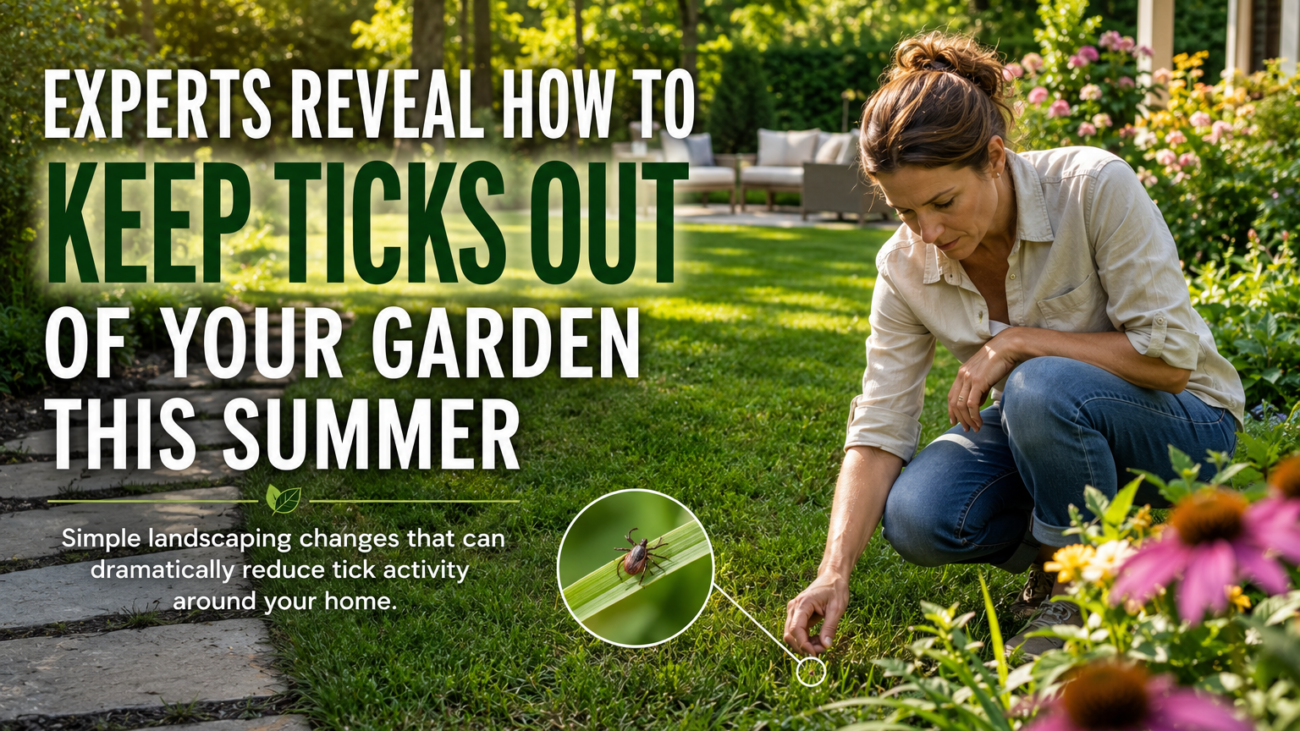
In warm weather, people and pets spend more time outdoors. While time spent outside is important for physical and mental health, it also brings some seasonal drawbacks, including insect bites. And not just any bites: tick bites are among them.
According to the Centers for Disease Control and Prevention (CDC), ticks cause the vast majority of vector-borne diseases in the U.S., including an estimated 475,000 cases of Lyme disease each year far more than diseases transmitted by mosquitoes and other biting insects.
In fact, ticks aren’t randomly scattered across lawns. They prefer certain microhabitats. The good news: Small changes to garden design and maintenance can significantly reduce a garden’s attractiveness to ticks.
Why Ticks Love Certain Gardens
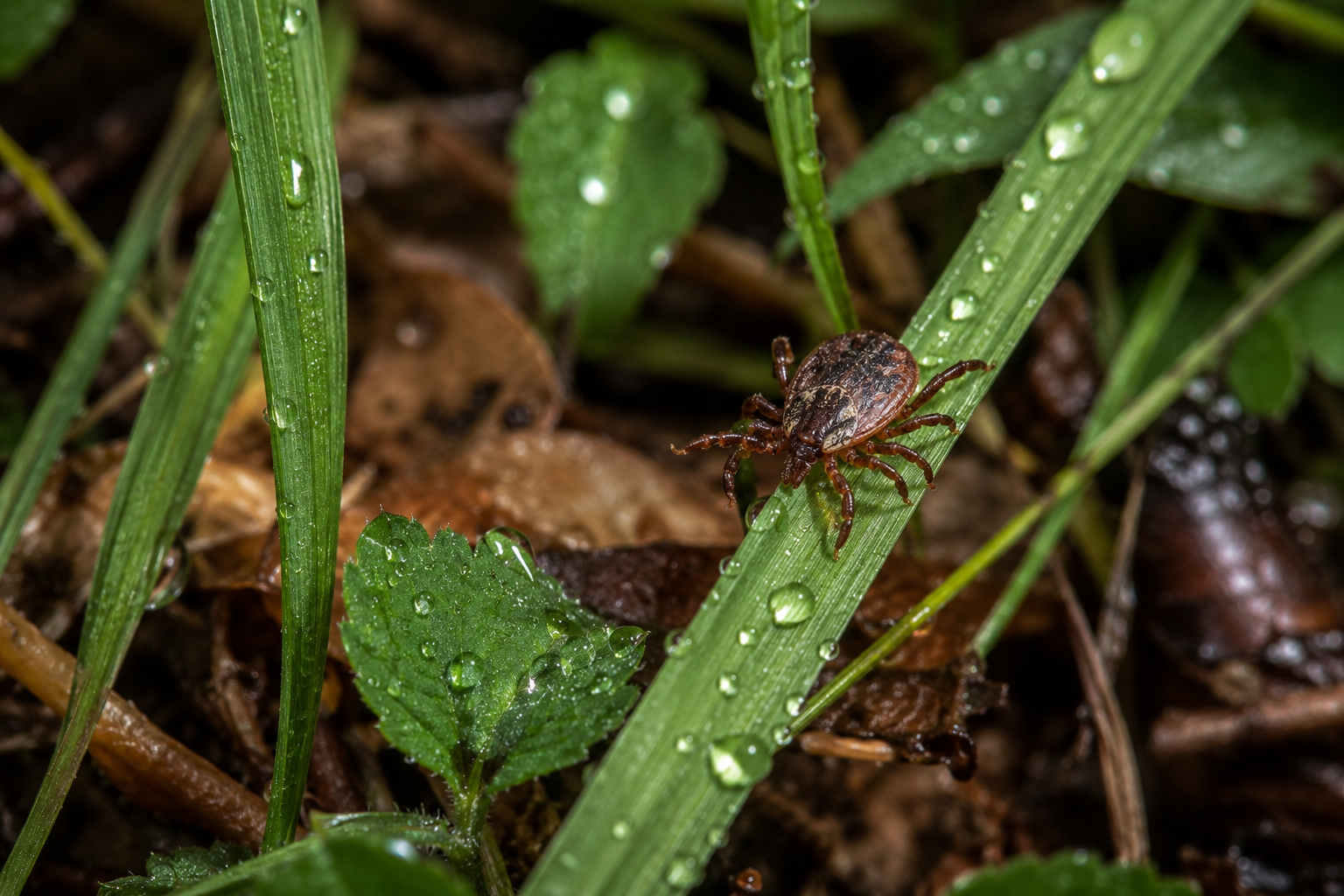
Suggested Image: Close-up of a tick on tall grass or leaf litter in a shaded garden area.
Ticks need moisture, shade, and a steady supply of hosts to survive. For them, the average garden can feel like paradise.
There are an estimated 899 tick species worldwide, over 90 of which are found in the continental United States. This diversity illustrates how adaptable these parasites are to different environments.
Unlike mosquitoes, ticks dry out quickly and therefore prefer damp places such as leaf litter, tall grass, overgrown shrubs, and dense ground vegetation where moisture accumulates.
A tick-friendly garden is essentially a miniature wildlife corridor: It provides ticks with shelter and moisture, allowing them to move safely between different host animals.
Ticks use a behavior called “host hunting”: They climb onto blades of grass or low shrubs and wait with outstretched front legs for a passing host.
Deer, mice, squirrels, and even neighbors’ pets can unknowingly carry ticks into the garden. Therefore, a perfectly manicured lawn alone is usually not enough to solve the problem.
Garden Design to Reduce Tick Risk
Eliminate Damp Hiding Places

One of the most effective ways to reduce ticks is to make your garden less attractive to them.
Ticks thrive in cool, damp environments. Piles of leaves, overgrown bushes, and dense vegetation provide them with ideal hiding places.
Start by removing fallen leaves, trimming overhanging edges, and clearing bushes near fences, stone walls, and woodland edges.
These shady areas protect ticks from heat and dehydration, allowing them to survive longer and wait for passing hosts.
Create a Dry Buffer Strip
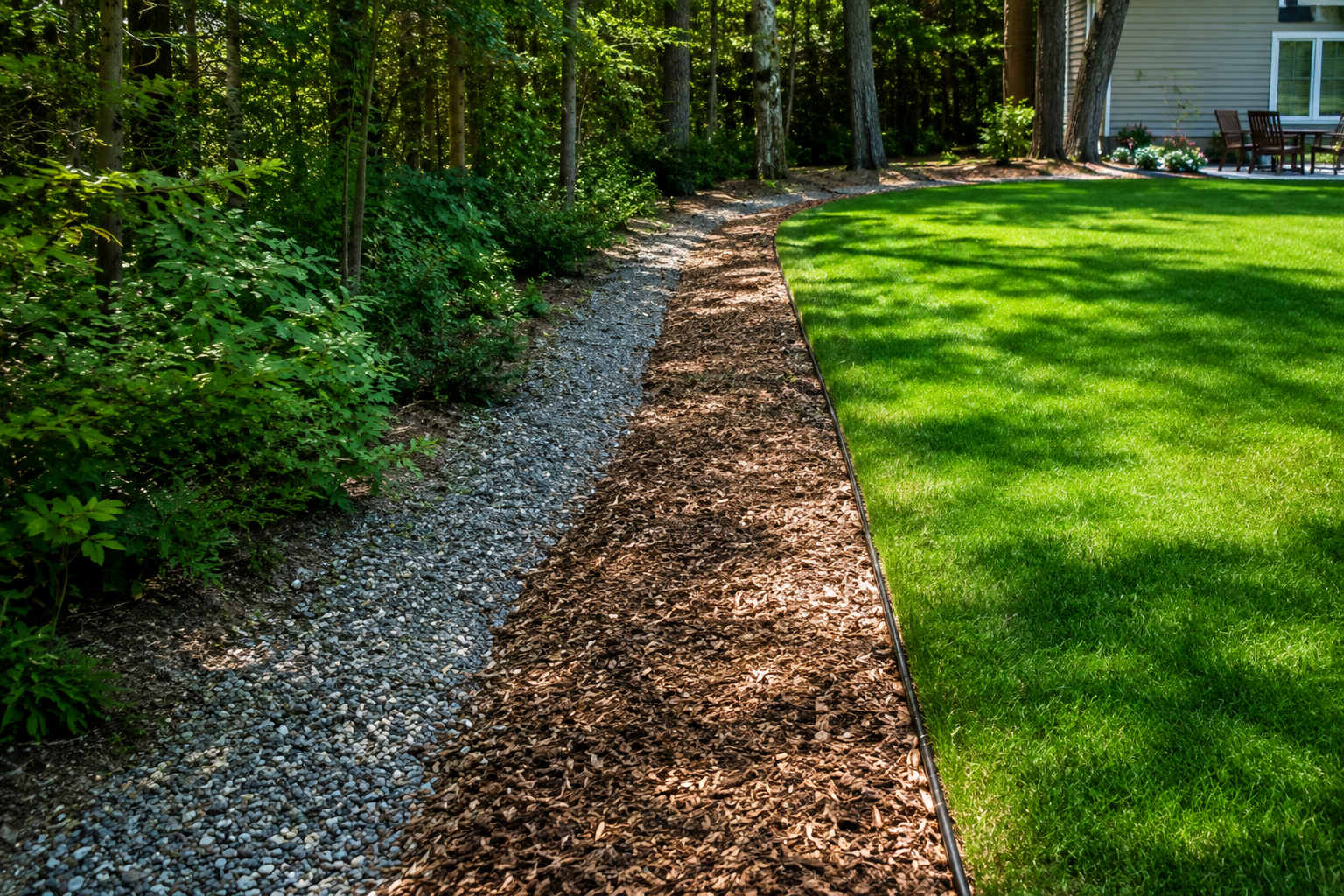
A dry barrier between wooded areas and lawns can also help slow down ticks.
A strip about one meter wide made of gravel, mulch, or wood chips acts like a small trench between tick-infested habitats and areas where people and pets spend time.
Because ticks dry out easily, they find it difficult to cross hot, unprotected surfaces.
Mow wisely, not excessively
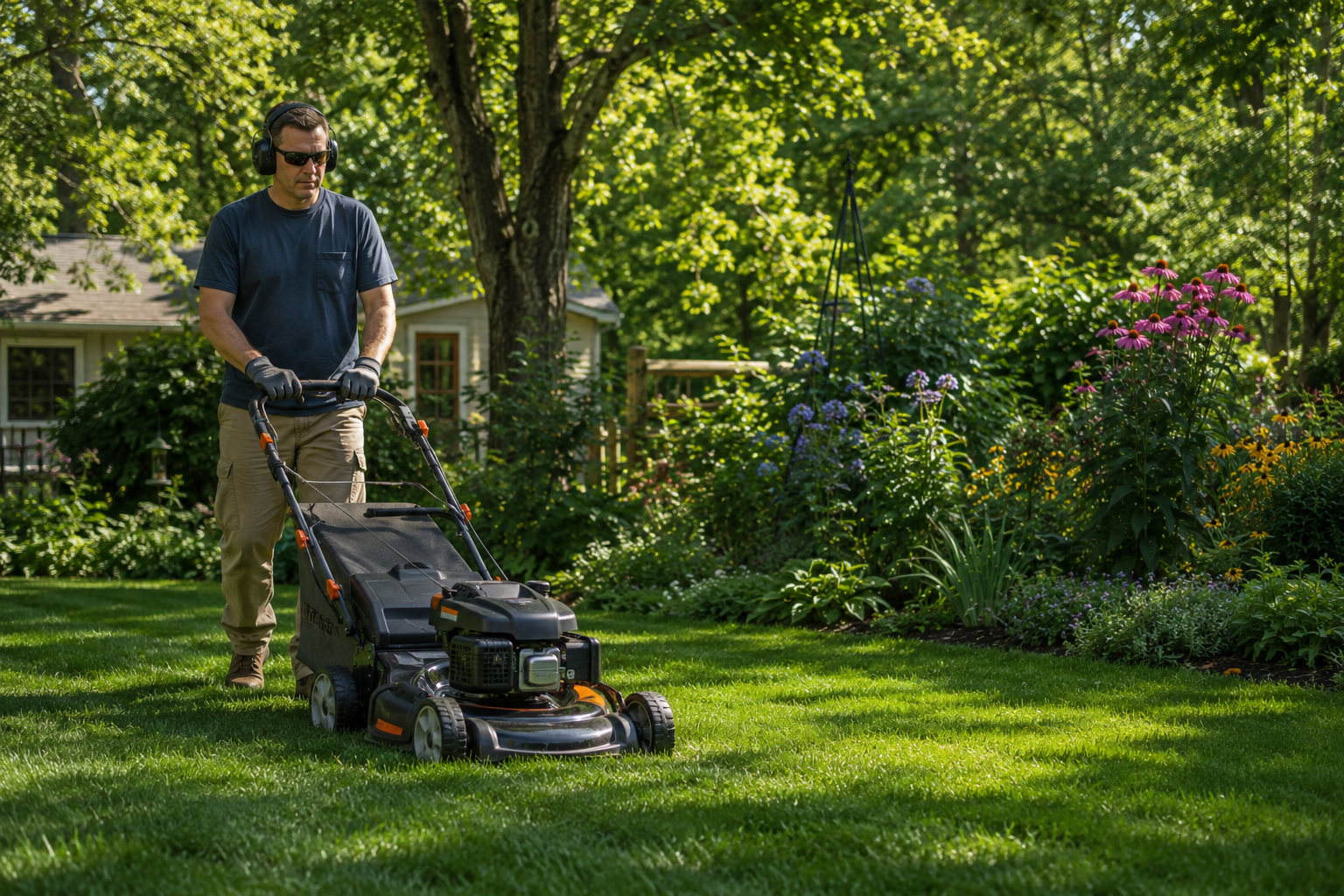
Regular mowing reduces soil moisture and makes it harder for ticks to hide in tall grass.
However, it’s important to find the right balance. Mowing too short can damage the grass, impair soil health, and reduce habitat for pollinators.
The goal isn’t a perfectly sterile garden, but rather to reduce the cool, damp conditions that ticks prefer.
Keep wildlife out
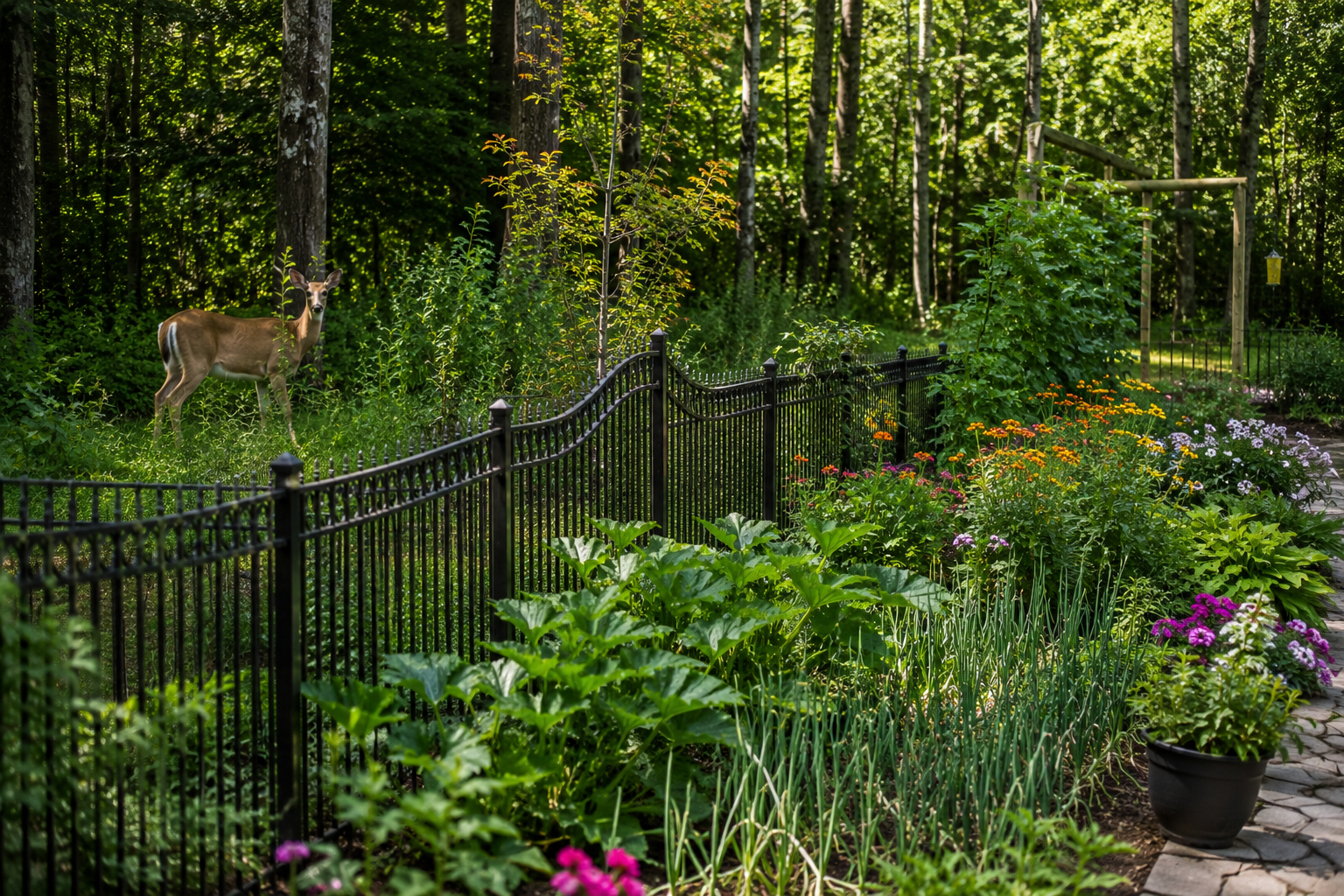
Wild animals play a significant role in introducing ticks into residential areas.
While bird feeders are aesthetically pleasing, they can attract rodents such as the white-footed mouse, which is a major vector of Lyme disease in many regions.
Feeding birds in winter, when tick activity is lower, and removing feeders during the warmer months can help reduce rodent traffic.
Wildlife-repellent plants and fences can also prevent deer from wandering through the garden and dropping ticks.
What Works and What Doesn’t
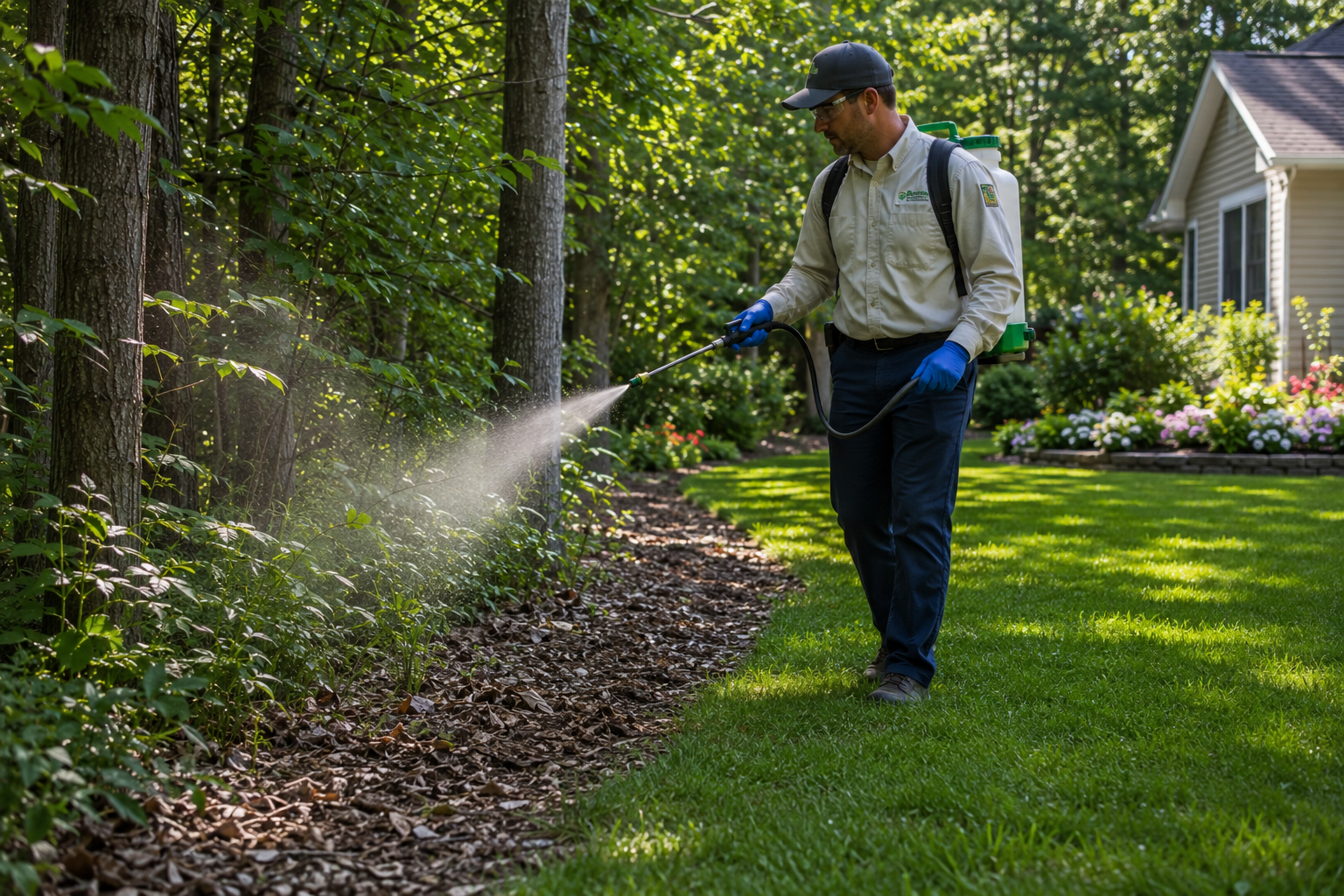
In fact, there is no single solution that completely eliminates ticks.
Targeted pesticide treatments, professionally applied in high-risk areas, and tick tubes containing treated cotton for killing ticks on rodents can significantly reduce the tick population when used correctly.
These methods are most effective as part of a broader prevention plan, not as a one-off measure.
Other common solutions are far less well-supported.
Ultrasonic repellents, for example, have shown only limited and inconsistent results in studies. Some devices achieved only a weak repellency, which researchers say is insufficient for reliable protection.
While there are “tick-repellent” plants that can deter ticks somewhat in small areas, planting a few herbs or flowers alone will not protect the entire garden.
The same applies to many DIY tips circulating online involving essential oils sprayed on large properties. At best, they offer a temporary, localized effect.
The most effective approach is a multi-stage, practical one: reduce habitat, restrict wildlife traffic, and apply targeted treatments when necessary.
Reduce your risk

Tick infestations are on the rise, partly because increasing temperatures and changing habitats allow some tick species to spread to new areas and remain active year-round.
Even a well-maintained garden can harbor ticks, so personal protection is essential.
After spending time outdoors, thoroughly check yourself and your pets for ticks, paying particular attention to ankles, waistbands, scalp, and the backs of knees.
Light-colored clothing makes it easier to spot ticks before they attach.
For added protection, the U.S. Environmental Protection Agency (EPA) recommends using EPA-approved insect repellents when gardening, hiking, or doing other outdoor work.
Shower immediately after spending time outdoors to wash off any unattached ticks before they can bite.
Conclusion
Keeping ticks out of your garden requires a combination of smart landscaping, regular maintenance, wildlife management, and personal protection. By making your garden less attractive to ticks and following practical prevention measures, you can significantly reduce the risk of tick encounters while continuing to enjoy your outdoor space safely.