
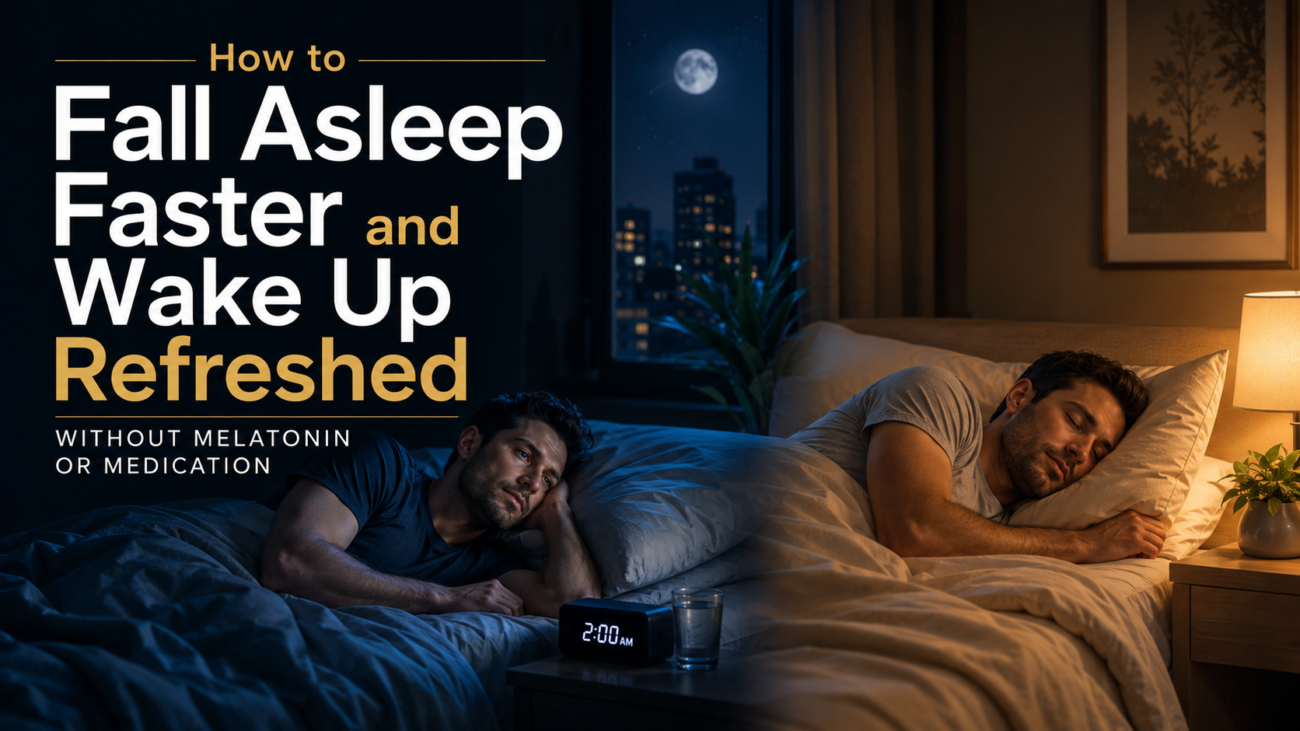
It’s 2 a.m. You’re completely exhausted. But your mind just won’t quiet down.
You’ve been lying there for an hour, replaying conversations from three years ago in your head and mentally drafting emails you’ll never send. Sound familiar? If you’re dozing off (even if it’s just a light sleep), you’re not alone.
According to the CDC, about one in three adults in the US regularly gets too little sleep. And the frustrating part? Many think they’re getting enough sleep, but still wake up feeling like they’ve been hit by a truck.
If you’ve already Googled, “Why am I so tired after 8 hours of sleep?” or “How can I fall asleep quickly – without medication?”, then you’ve come to the right place. This guide explains the real reasons for your sleep problems and offers five practical, scientifically sound methods for sleeping better naturally. Completely without pills. Without expensive gadgets. Simply things that actually work.
Why am I constantly tired? The causes
Before you can improve your sleep, you need to understand what’s disrupting it. Most people suspect stress as the cause, but usually, several factors are at play.
Blue light and nighttime scrolling
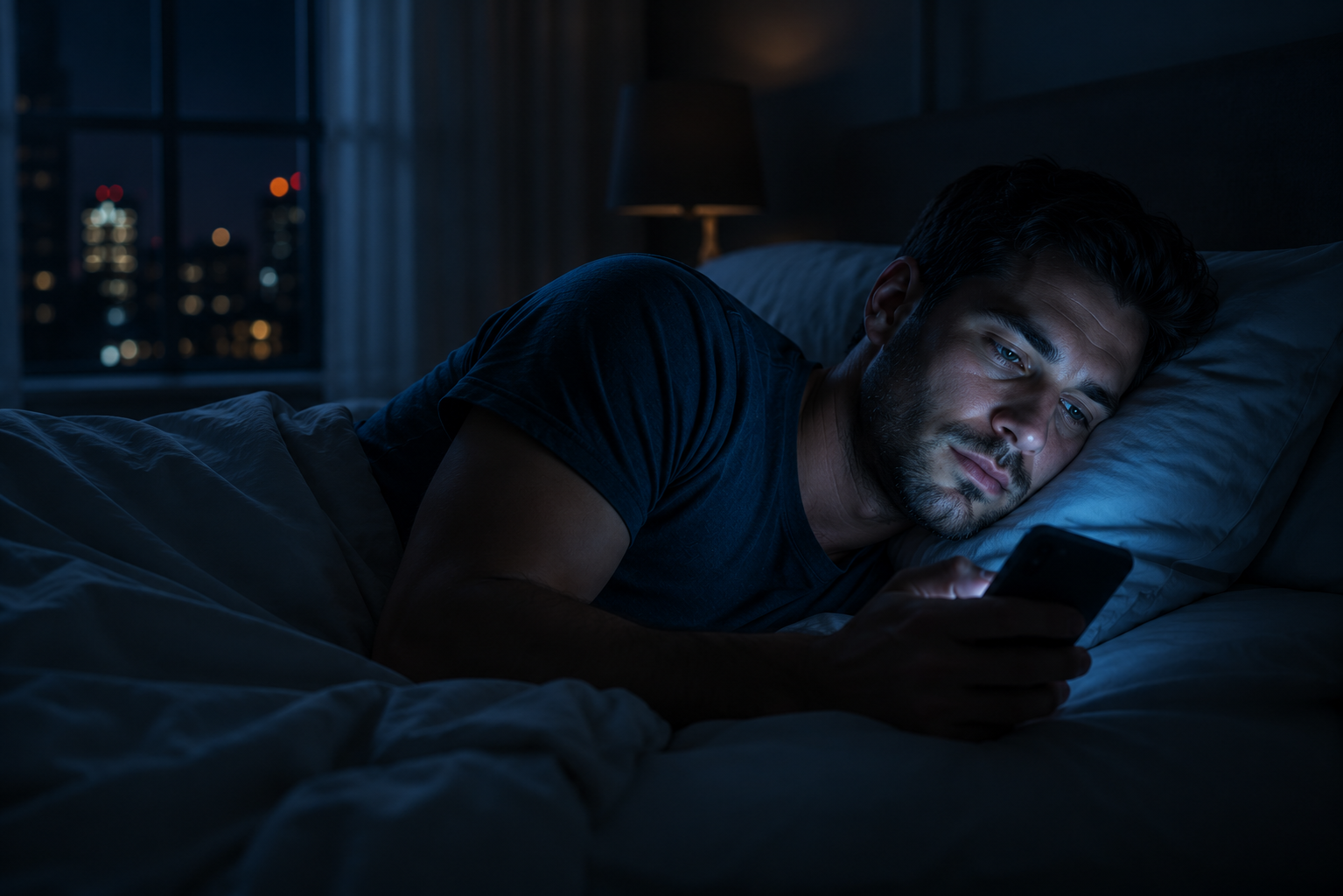
Your smartphone is tricking your brain. Screens emit blue light, which inhibits melatonin production. Melatonin is the hormone your body naturally produces to signal that it’s time to sleep. If you’re still scrolling through Instagram or watching YouTube at 11 p.m., your brain actually thinks it’s still daytime. It’s not tired, but awake and ready for new content.
The practical conclusion: Just 30 minutes of screen time before bed can shift your body’s natural sleep rhythm by 1 to 2 hours. That’s not to be underestimated.
Stress, rumination, and nighttime cortisol spikes
Cortisol is your body’s most important stress hormone. In the morning, cortisol levels are high to wake us up, and in the evening they are low to help us wind down.
But during stressful times, this rhythm gets disrupted. Cortisol levels spike at unusual times, even right when we want to fall asleep. The nervous system signals a threat, and suddenly our thoughts race through all the tasks of the next day.
This isn’t a character flaw, it’s biology. But you can learn to manage it.
Hidden sources of caffeine and late, heavy meals
Most people know that you shouldn’t drink espresso after 9 p.m. But caffeine hides in many places: in chocolate, certain painkillers, energy drinks disguised as “wellness” beverages, and even in some teas.
Caffeine has a half-life of about 5 to 7 hours. That iced tea at 4 p.m.? At 10 p.m., half of it is still in your bloodstream. Late, heavy meals are also problematic. After a heavy dinner, your body has to work hard to stimulate digestion. This raises your body temperature and keeps your metabolism active, even though it should actually be preparing for sleep.
5 Proven Methods for Natural, Restful Sleep
Now for the practical part. These tips aren’t from some wellness website. Each one addresses one of the causes mentioned above.

1. Master the 4-7-8 Breathing Technique
This is one of the fastest natural remedies for sleep disturbances and anxiety.
Developed by Dr. Andrew Weil and based on the ancient Pranayama breathing practice, the 4-7-8 technique activates your parasympathetic nervous system, the part of your body responsible for rest and digestion. It slows your heart rate and lowers cortisol levels within minutes.
Here’s how:
• Exhale completely through your mouth.
• Close your mouth and inhale calmly through your nose for 4 seconds.
• Hold your breath for 7 seconds.
• Exhale completely through your mouth for 8 seconds.
• Repeat this 3 to 4 times. That’s it. Do the exercise lying down. Most people notice a noticeably heavier feeling in their body after just two or three rounds. It might feel a little unusual at first, but try it regularly every evening for a week before making a judgment.
2. Optimize Your Bedroom
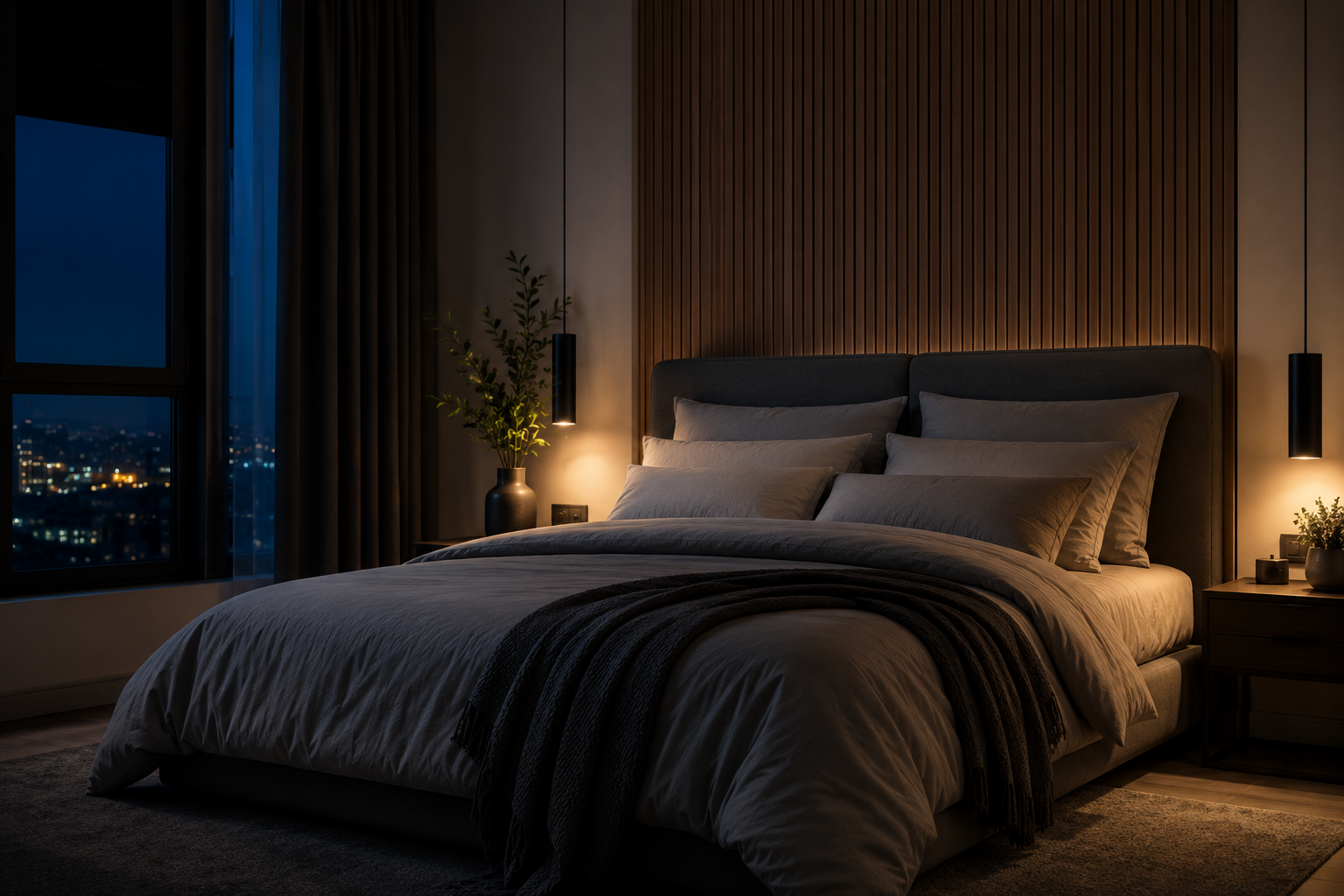
Your bedroom should feel like a cave: cool, dark, and quiet.
US sleep experts, including researchers from the National Sleep Foundation, unanimously recommend 18°C (65°F) as the ideal bedroom temperature for deep sleep. Your body temperature naturally drops as you fall asleep, and a cool room supports this process. Even a few degrees too warm can disrupt your deep sleep phases without you realizing it.
A few quick tips:
• Turn the heating up to 18 to 20°C (65 to 68°F) before bedtime.
• Use blackout curtains or a sleep mask (even small amounts of light disrupt sleep quality).
• Try a white noise machine or a fan if outside noise is bothersome.
• Use your bed exclusively for sleeping (no laptop, no TV in bed).
This last point is more important than you might think. Your brain recognizes patterns. If you engage in mentally stimulating activities in bed, it associates your bed with wakefulness rather than rest.
3. Create a digital detox
This is the secret weapon against morning fatigue that most people ignore because it sounds annoying. And frankly, it is a little bit. But it works.
The rule: Turn off all screens one hour before bedtime.
No cell phone. No TV. No laptop. Even the notifications on your tablet count.
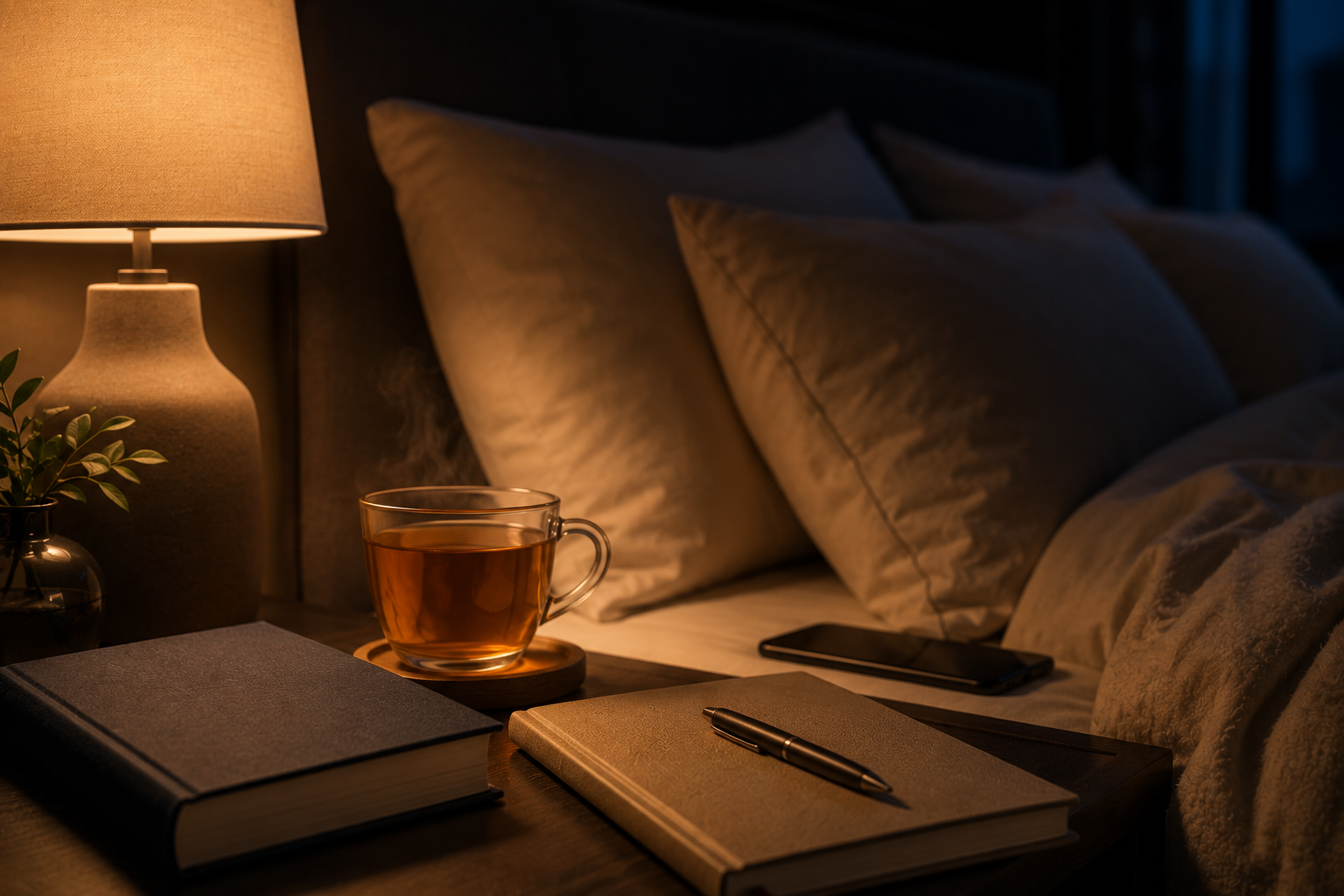
Use this hour for something truly calming. Read a real book (not an e-reader). Take a warm shower, which, paradoxically, lowers your body temperature afterward and helps you drift off to sleep. Write in a journal. Listen to something soothing. Have a quiet conversation.
The goal is to give your brain time to wind down, rather than letting it crash abruptly. If a full hour seems too long, start with 30 minutes and gradually increase. Small steps are better than perfect plans that you’ll never stick to anyway.

4. Skip the Weekend Sleep
Here’s a tip that surprises many: Sleeping in on Saturday and Sunday can actually make you more tired during the week.
Your body follows a so-called circadian rhythm, essentially an internal 24-hour clock. This clock synchronizes with your sleep-wake cycle. If you sleep on Sunday afternoon after getting up at 6 a.m. all week, you’ve essentially created jet lag without even leaving your city.
On Sunday evening, your brain then doesn’t think it’s bedtime at 11 p.m., but rather the middle of the afternoon.
What you can do instead: Try to keep your wake-up time on weekends within 30 to 45 minutes of your weekday time. You can go to bed a little later, but you shouldn’t drastically change your wake-up time. In the long run, this keeps your sleep pressure and circadian rhythm stable, which means you’ll fall asleep faster and wake up feeling less groggy.

5. Try natural alternatives before resorting to synthetic melatonin.
Melatonin supplements aren’t inherently bad, but there are a few things you should know before relying on them.
First, most over-the-counter melatonin doses (3 to 10 mg) are much higher than your body’s actual needs. Studies suggest that 0.5 mg is often sufficient. High doses can even disrupt natural melatonin production over time, making it harder to fall asleep without supplements.
Natural alternatives that have been shown to help:
• Chamomile tea: Contains apigenin, an antioxidant that binds to sleep-related receptors in the brain. Drink a cup 45 minutes before bedtime.
• Magnesium glycinate: Many Americans suffer from magnesium deficiency, and low levels are associated with poor sleep quality, restless legs syndrome, and nighttime anxiety. A supplement containing 200 to 400 mg, taken with dinner, can produce a noticeable improvement within one to two weeks.
• Sour cherry juice: One of the few foods that naturally contain melatonin. A small glass in the evening has been studied and showed promising results.
• L-theanine: An amino acid found in green tea that promotes calm alertness during the day and restful sleep at night.
These are not miracle cures. However, when used regularly in conjunction with better sleep habits, they can be a helpful supplement.
When to See a Doctor

All of the above is helpful for most people with everyday sleep problems and fatigue.
However, if you have been regularly having trouble falling or staying asleep for more than a month and have already tried improving your sleep habits without success, please talk to a doctor. Chronic sleeplessness can be a symptom of a condition that requires medical treatment, including:
• Insomnia, which is different from occasional bad nights and can be treated with specific, effective therapies.
• Sleep apnea, which affects millions of Americans and often goes undiagnosed. It causes brief pauses in breathing during the night, so no matter how many hours you spend in bed, you never reach deep sleep.
• Thyroid problems, anemia, or depression, all of which can lead to profound fatigue that no breathing technique can alleviate.
There’s no shame in getting a sleep study or talking to your doctor. You deserve to truly rest.
Closing Thoughts

There’s no magic trick that will transform your sleep overnight. That’s not the point.
What really helps is consistently changing a few key things over two to three weeks: your circadian rhythm, your cortisol levels, your bedroom environment. These aren’t dramatic changes. They’re small, inconspicuous, practical actions that add up over time.
If you’re tired of constantly feeling tired, start tonight with one thing from this list. Not five. Just one. The breathing technique is a great place to start because it costs nothing, and you can try it in the next ten minutes.
Your body wants to sleep. You just need to stop unconsciously preventing it.
Medical Note
Medical Note: This article is for general informational purposes only and is not intended as medical advice, diagnosis, or treatment. Always consult a qualified healthcare professional before making any changes to your health routine, especially if you have pre-existing medical conditions or are taking medication.