Workplace wellness has evolved dramatically over the last decade.
Traditional wellness programs often focused on occasional health seminars, gym discounts, or annual wellness events. While these initiatives provided some value, they rarely created lasting behavior change.
Today’s workplace wellness strategies are far more advanced.
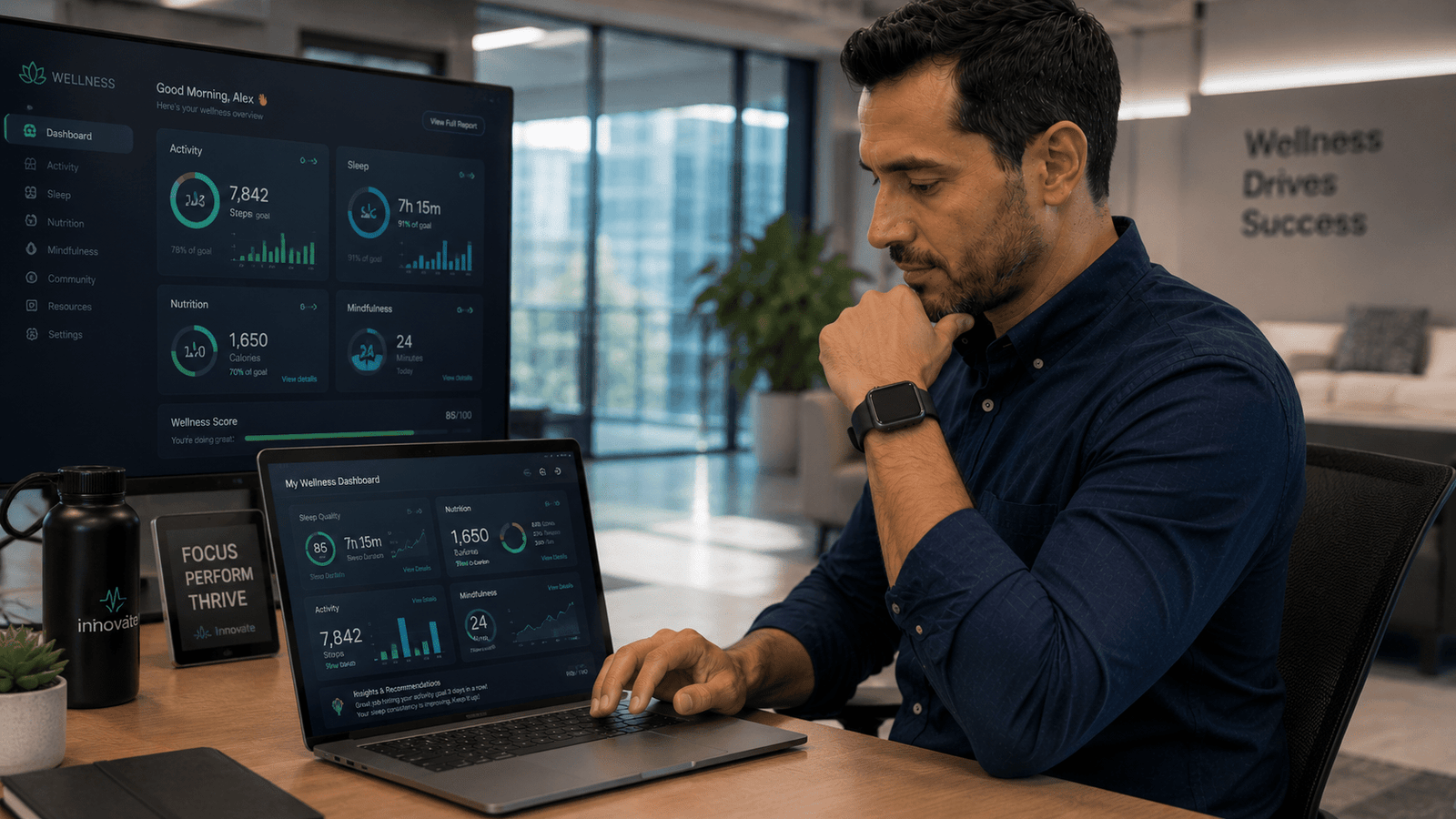
Organizations are increasingly using fitness tech, workplace wellness technology, wearable devices, mobile applications, and data driven wellness programs to help employees build healthier habits.
At the same time, employees are looking for flexible solutions that fit into busy schedules, hybrid work environments, and modern lifestyles.
As a result, several important fitness trends are reshaping the future of employee health.
Understanding these trends can help both organizations and employees make better decisions about workplace wellness investments.

Why Workplace Wellness Is Rapidly Changing
Modern employees face challenges that previous generations rarely experienced.
Many workers spend:
- Long hours sitting
- Extensive time in virtual meetings
- Large portions of the day using screens
- Less time engaging in physical activity
This has increased demand for solutions that promote movement and wellbeing throughout the workday.
Organizations are also becoming more aware of the relationship between:
- Employee health
- Productivity
- Engagement
- Retention
- Workplace satisfaction
This growing awareness is driving innovation in workplace wellness programs.
For a complete overview of workplace wellness strategies, explore Workplace Fitness Programs for Office Workers.
What Is Fitness Tech?
Fitness tech refers to technology designed to support physical activity, health tracking, and overall wellness.
Examples include:
- Smartwatches
- Fitness trackers
- Mobile fitness apps
- Activity monitoring devices
- Wellness platforms
- Health analytics tools
These technologies help employees monitor habits, track progress, and stay accountable.
Unlike traditional wellness programs, fitness tech provides real time feedback and measurable results.
This makes it easier for individuals to understand their behaviors and make positive changes.
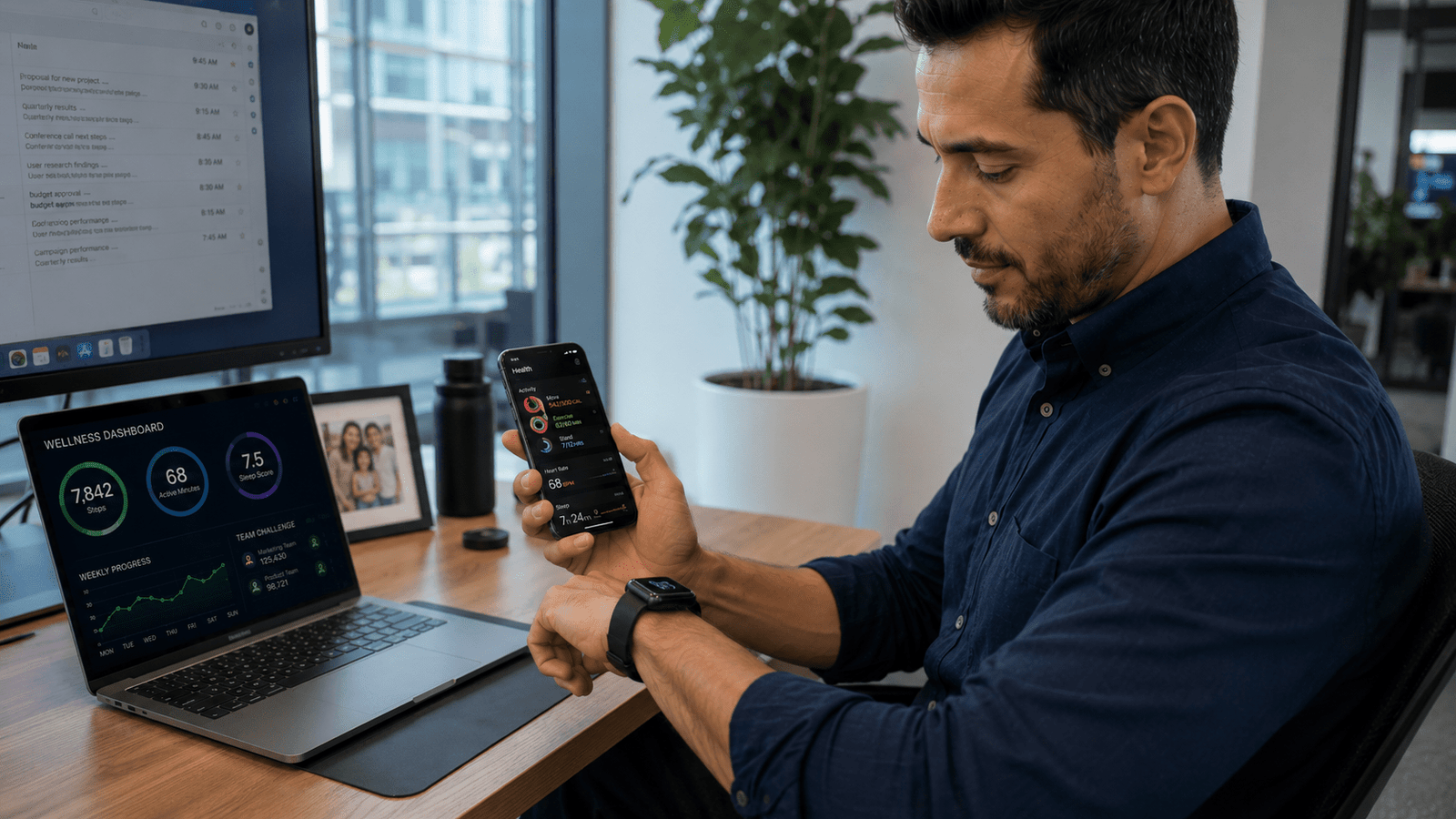
Trend #1: Wearable Fitness Technology
Wearable devices continue to be one of the fastest growing trends in workplace wellness.
Popular devices include:
- Smartwatches
- Fitness trackers
- Heart rate monitors
Wearables help employees track:
- Daily movement
- Steps
- Active minutes
- Sleep quality
- Heart rate trends
The biggest advantage is convenience.
Data collection happens automatically throughout the day.
This encourages awareness and often leads to healthier habits.
Employees interested in wearable technology should also explore Best Fitness Trackers for Office Workers.
Trend #2: Mobile Fitness Apps
Mobile fitness applications continue to expand their capabilities.
Modern apps now support:
- Activity tracking
- Workout guidance
- Wellness challenges
- Habit tracking
- Recovery monitoring
Employees increasingly rely on mobile fitness apps because they provide flexibility and accessibility.
Fitness support is available anytime and anywhere.
For a detailed guide, read Mobile Fitness Apps for Busy Office Workers.
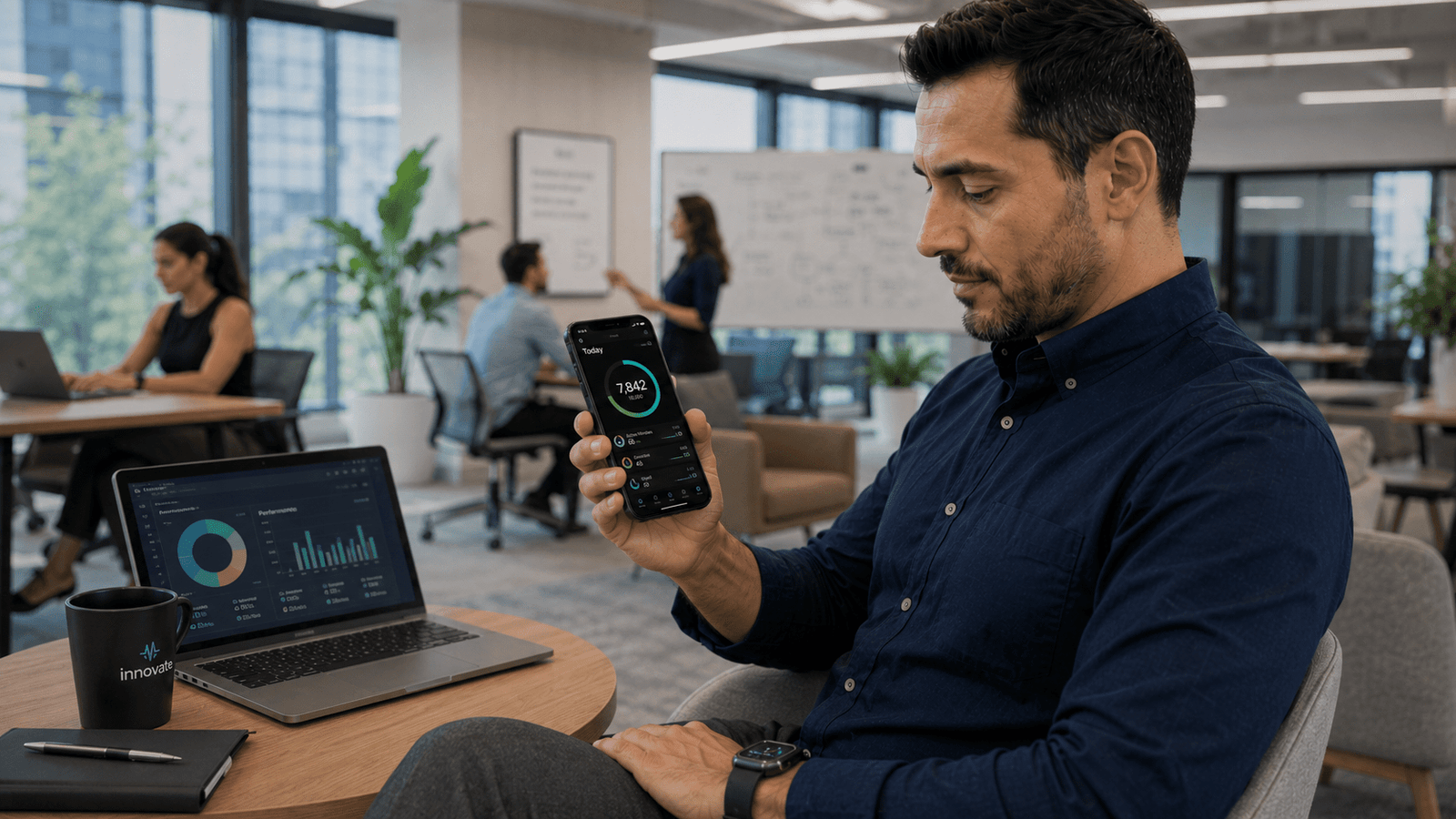
Trend #3: Data Driven Workplace Wellness
Data is becoming a central component of modern wellness programs.
Organizations can use anonymous wellness insights to understand:
- Participation rates
- Activity trends
- Employee engagement
- Program effectiveness
This allows companies to improve wellness strategies over time.
Data driven programs help organizations focus resources on initiatives that generate meaningful results.
Employees also benefit from personalized recommendations based on individual habits and goals.
Trend #4: Group Fitness Trends
Group fitness remains one of the most effective ways to increase participation.
People are often more motivated when exercising alongside others.
Popular group fitness trends include:
- Workplace workout classes
- Walking challenges
- Team fitness competitions
- Group mobility sessions
- Virtual fitness communities
These activities create accountability and strengthen workplace culture.
For more ideas, explore Best Group Workout Classes for Office Workers.
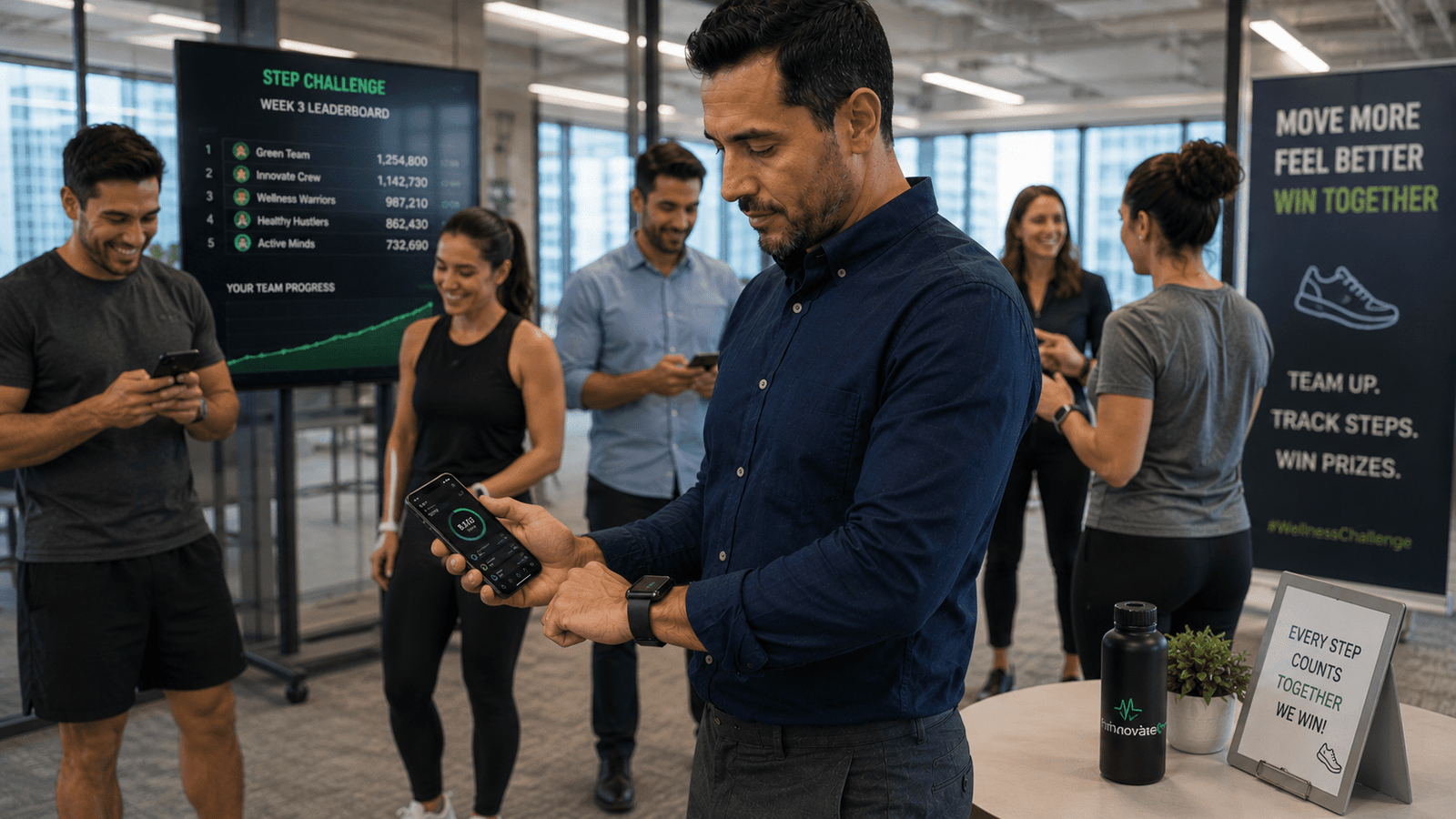
Trend #5: Hybrid Workplace Wellness Programs
Remote and hybrid work environments have transformed employee wellness.
Organizations now need solutions that support:
- Office employees
- Hybrid workers
- Fully remote teams
This has led to the growth of:
- Virtual fitness classes
- Online workout communities
- Wellness applications
- Digital coaching platforms
Hybrid wellness programs help ensure all employees have equal access to health resources.
Trend #6: Micro Workouts Throughout the Day
One of the newest workout trends is the rise of micro workouts.
These are short exercise sessions lasting:
- 3 minutes
- 5 minutes
- 10 minutes
Micro workouts fit easily into busy schedules.
Benefits include:
- Increased movement
- Better circulation
- Reduced stiffness
- Improved focus
Employees can perform these workouts between meetings or during short breaks.
For practical examples, read 5 Minute Desk Workouts to Relieve Back Pain for Remote Workers.

Trend #7: Mobility Focused Exercise Programs
Many workplace wellness initiatives now emphasize mobility training.
Unlike traditional workouts that focus primarily on strength or cardio, mobility exercises improve movement quality.
Benefits include:
- Better posture
- Reduced stiffness
- Improved flexibility
- Enhanced comfort during work
Mobility training is particularly valuable for desk workers.
Employees can learn more from Daily Mobility Routine for Desk Workers.
Trend #8: Wellness Platforms and Employee Experience
Organizations are increasingly adopting integrated wellness platforms.
These systems combine:
- Activity tracking
- Wellness challenges
- Health education
- Fitness programs
- Employee engagement tools
The goal is to create a unified wellness experience.
Employees can access multiple resources through a single platform, making participation easier and more convenient.
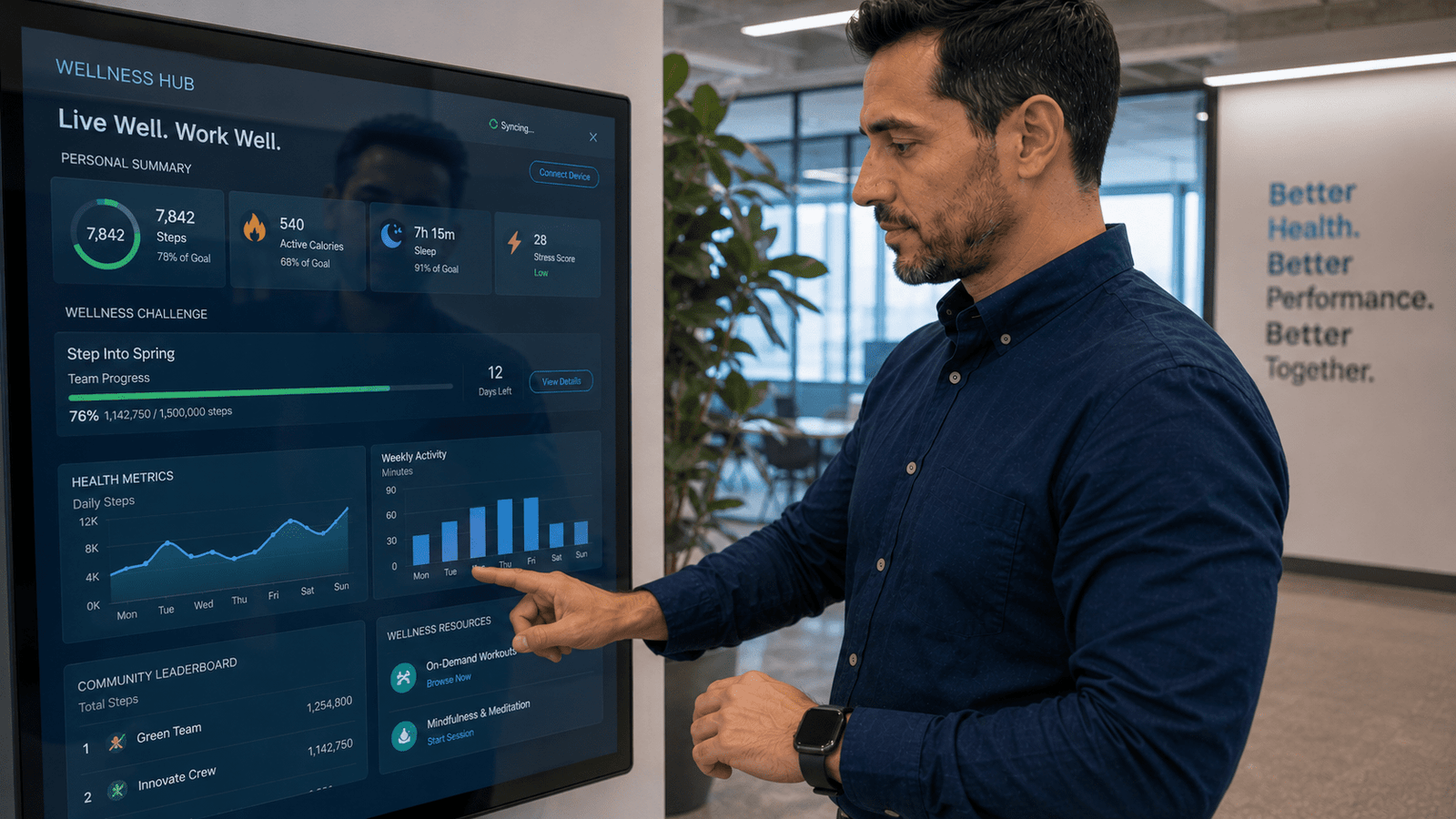
Trend #9: Personalized Wellness Programs
Employees have different needs, goals, and lifestyles.
As a result, personalized wellness programs are becoming more common.
Technology allows wellness initiatives to adapt based on:
- Activity levels
- Health goals
- Preferences
- Work schedules
Personalization often increases participation because employees receive recommendations that feel relevant to their specific needs.
Trend #10: Holistic Employee Wellbeing
Modern wellness programs increasingly recognize that health extends beyond exercise.
Holistic wellness approaches may include:
- Physical activity
- Nutrition
- Sleep quality
- Mental wellbeing
- Stress management
This broader perspective helps employees develop healthier lifestyles overall.
Employees can support these efforts by following a Healthy Workday Routine for Office Workers.
Why These Trends Matter for Employees
The workplace continues to evolve.
Employees who embrace healthy habits and wellness technology often experience:
- Better energy levels
- Improved productivity
- Reduced stress
- Enhanced physical health
- Greater workplace satisfaction
The purpose of fitness technology is not to create perfection.
Its purpose is to make healthy habits easier and more sustainable.
Frequently Asked Questions
What is fitness tech?
Fitness tech refers to technology that helps individuals monitor activity, improve fitness, and support overall health through tools such as fitness trackers, smartwatches, wellness platforms, and mobile apps.
Why is fitness technology important in workplace wellness?
Fitness technology provides measurable insights, encourages healthy habits, and increases participation in wellness programs.
What are the latest exercise trends for office workers?
Current trends include micro workouts, mobility training, wearable fitness technology, virtual fitness programs, and personalized wellness plans.
Are wearable devices effective?
Many employees find wearable devices useful for tracking activity, improving awareness, and maintaining healthy habits.
What are group fitness trends?
Popular trends include workplace fitness classes, walking challenges, team wellness competitions, and virtual workout communities.
Can workplace wellness programs improve productivity?
Many employees report better focus, energy, and workplace engagement when they consistently participate in wellness initiatives.
Recommended External Resources
Physical Activity Guidelines for Americans
CDC Physical Activity Resources
World Health Organization Physical Activity Facts
Final Thoughts
Workplace wellness is no longer limited to traditional fitness programs.
Technology, personalization, data analytics, and flexible wellness solutions are changing how employees approach health and wellbeing.
From wearable devices and mobile fitness apps to workplace wellness platforms and group fitness programs, today’s trends provide more opportunities than ever to support healthy lifestyles.
Organizations that embrace these developments can create healthier, more engaged, and more productive workforces.
Employees who take advantage of these tools can build sustainable habits that support long term wellbeing and professional success.
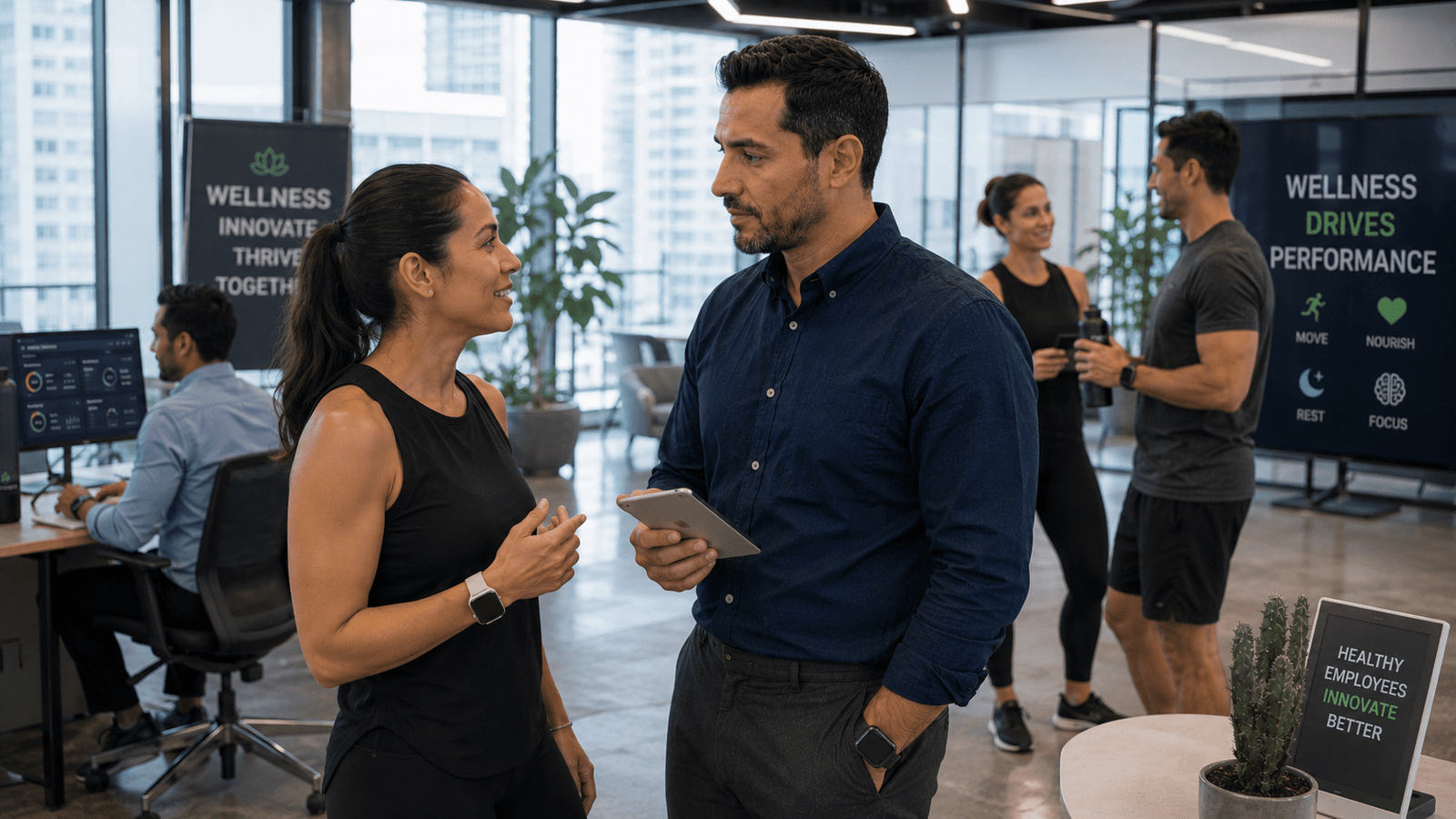
As workplace wellness continues to evolve, organizations that embrace fitness technology and employee wellbeing initiatives will be better positioned to support healthier, more productive teams.
The future of workplace wellness is likely to be shaped by wearable devices, mobile fitness apps, personalized wellness programs, and data driven health insights. These innovations make it easier for employees to stay active, track progress, and maintain healthy habits regardless of where they work.
By combining fitness tech, workplace wellness programs, and sustainable daily routines, organizations can create environments where employees thrive both professionally and personally. Investing in employee health is no longer just a workplace benefit. It is a long term strategy for improving wellbeing, engagement, productivity, and overall organizational success.