
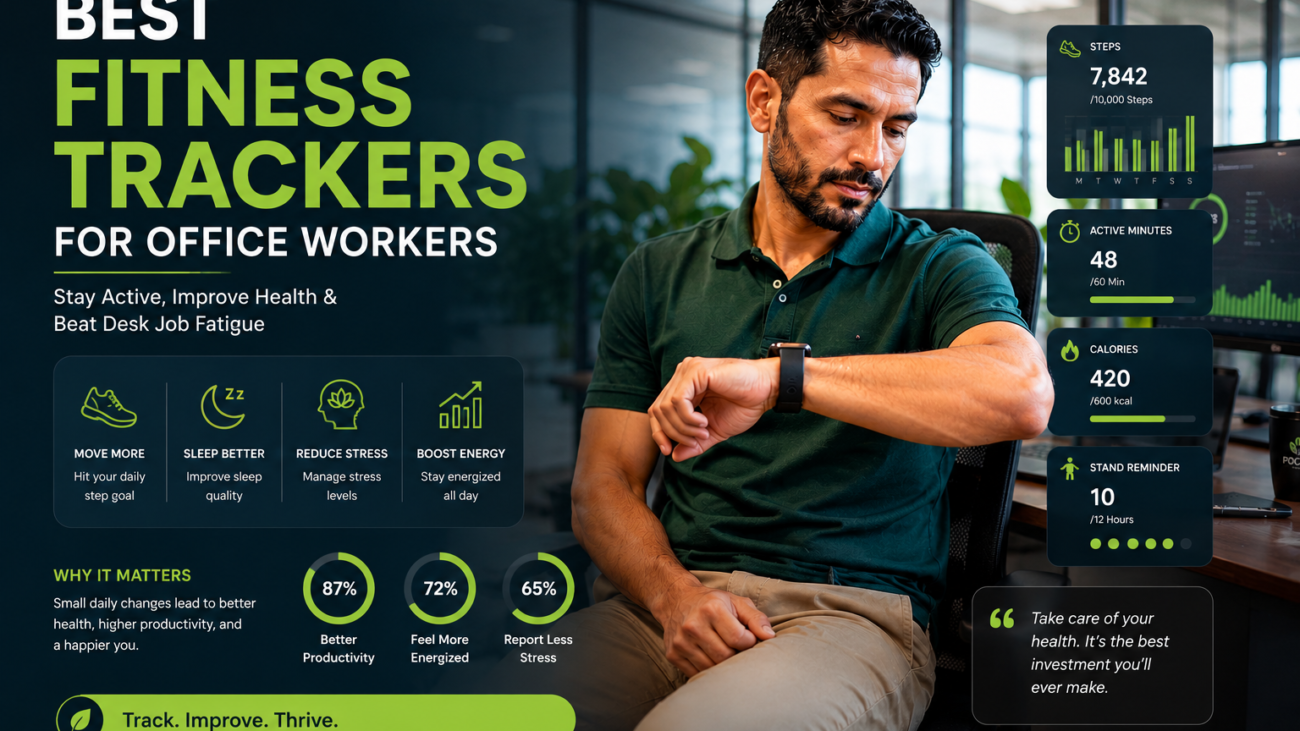
Most office workers spend hours sitting at a desk.
Even if you exercise regularly, long periods of sitting can still affect your posture, mobility, energy levels, and overall health.
One of the biggest challenges isn’t knowing what to do.
It’s remembering to do it consistently.
That’s where fitness trackers can help.
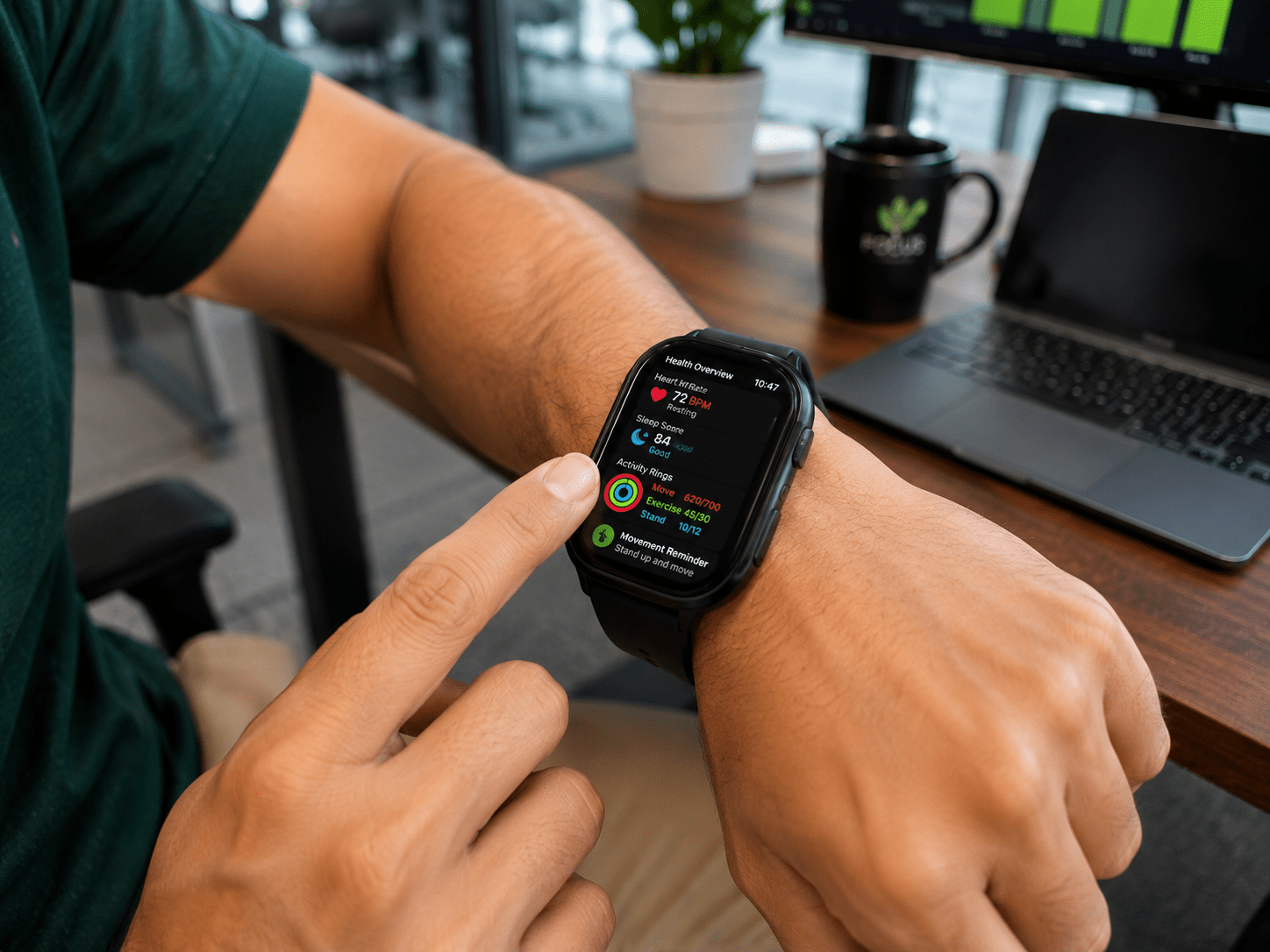
Modern fitness trackers do much more than count steps. Many devices now monitor activity levels, sleep quality, heart rate, stress, recovery, and movement reminders that encourage you to get up and move throughout the day.
If you’re building a healthier lifestyle around your desk job, start with our complete guide on Health and Fitness for Office Workers.
If you’re already working on improving movement habits, our guide on How to Stay Active When You Sit All Day at Work is a perfect companion to this article.
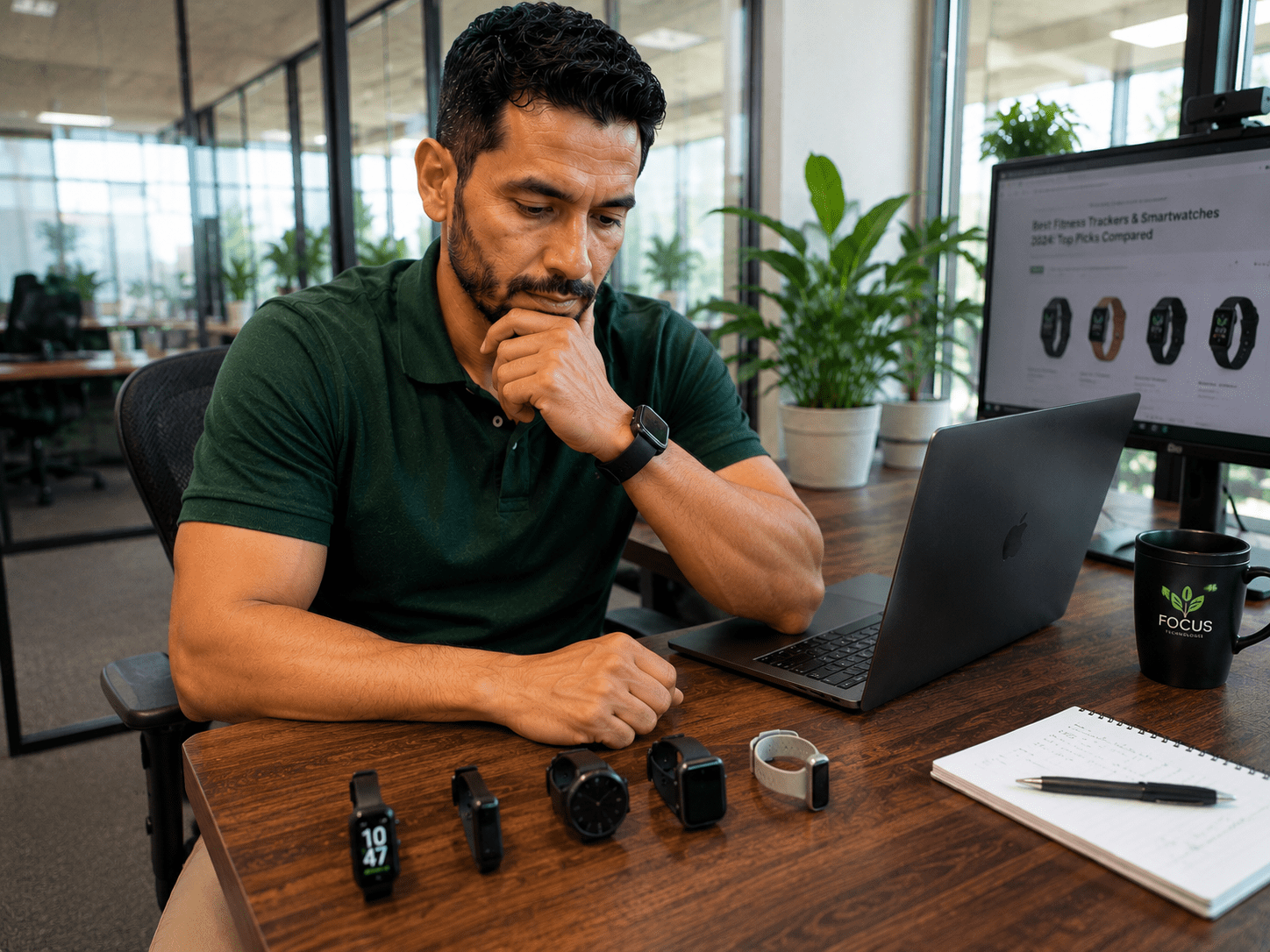
In this guide, we’ll compare the best fitness trackers for office workers and explain which features matter most for people who spend most of their day at a desk.
Table of Contents
- Why Office Workers Should Use Fitness Trackers
- Features That Matter Most
- Best Fitness Trackers for Office Workers
- How to Choose the Right Tracker
- Common Buying Mistakes
- FAQs
- Conclusion
Why Office Workers Should Use Fitness Trackers
Most people underestimate how much time they spend sitting.
A fitness tracker creates awareness.
Many office workers are surprised to discover:
- How little they move during work hours
- How often they skip movement breaks
- Poor sleep habits
- Elevated stress levels
- Inconsistent activity patterns
According to Centers for Disease Control and Prevention (CDC), regular physical activity supports overall health and helps reduce many risks associated with sedentary lifestyles.
Fitness trackers help turn awareness into action.
Features That Matter Most for Office Workers
Not every fitness tracker is designed for desk workers.
Here are the most useful features.
Movement Reminders
One of the most valuable features.
The watch reminds you to stand up and move after long periods of inactivity.
This works particularly well when combined with our Daily Mobility Routine for Desk Workers.
Step Tracking
Step tracking helps monitor overall daily movement.
Most experts recommend increasing movement gradually rather than focusing on a specific number.
Heart Rate Monitoring
Provides insights into:
- Resting heart rate
- Exercise intensity
- Recovery
Sleep Tracking
Poor sleep affects:
- Productivity
- Focus
- Energy
- Recovery
Modern trackers provide useful sleep insights.
Stress Monitoring
Many office workers deal with mental fatigue and workplace stress.
Some trackers now estimate stress levels and provide breathing exercises.
Best Fitness Trackers for Office Workers
1. Apple Watch Series
Best For
iPhone users who want the most complete smartwatch experience.
Pros
- Excellent activity tracking
- Strong health features
- Movement reminders
- Sleep tracking
- Large app ecosystem
Cons
- Higher price
- Battery life shorter than some competitors
Ideal Office Worker
Professionals already using an iPhone.
2. Garmin Venu Series
Best For
Health-conscious professionals focused on fitness and recovery.
Pros
- Excellent battery life
- Detailed health metrics
- Stress tracking
- Sleep insights
Cons
- Higher learning curve
Ideal Office Worker
Workers who want advanced health data.
3. Fitbit Charge Series
Best For
People wanting strong health tracking without smartwatch complexity.
Pros
- Comfortable design
- Great sleep tracking
- Affordable pricing
- Easy-to-use app
Cons
- Fewer advanced smartwatch features
Ideal Office Worker
First-time fitness tracker users.
4. Samsung Galaxy Watch
Best For
Android users.
Pros
- Strong health tracking
- Attractive design
- Smart notifications
- Sleep monitoring
Cons
- Battery life varies by usage
Ideal Office Worker
Android professionals wanting smartwatch functionality.
5. WHOOP
Best For
People interested in recovery and performance.
Pros
- Detailed recovery analysis
- Sleep optimization
- Strain monitoring
Cons
- Subscription required
Ideal Office Worker
Professionals focused on performance and recovery.
6. Amazfit Balance
Best For
Budget-conscious buyers.
Pros
- Excellent battery life
- Affordable
- Good health features
Cons
- Smaller ecosystem
Ideal Office Worker
Workers seeking value.
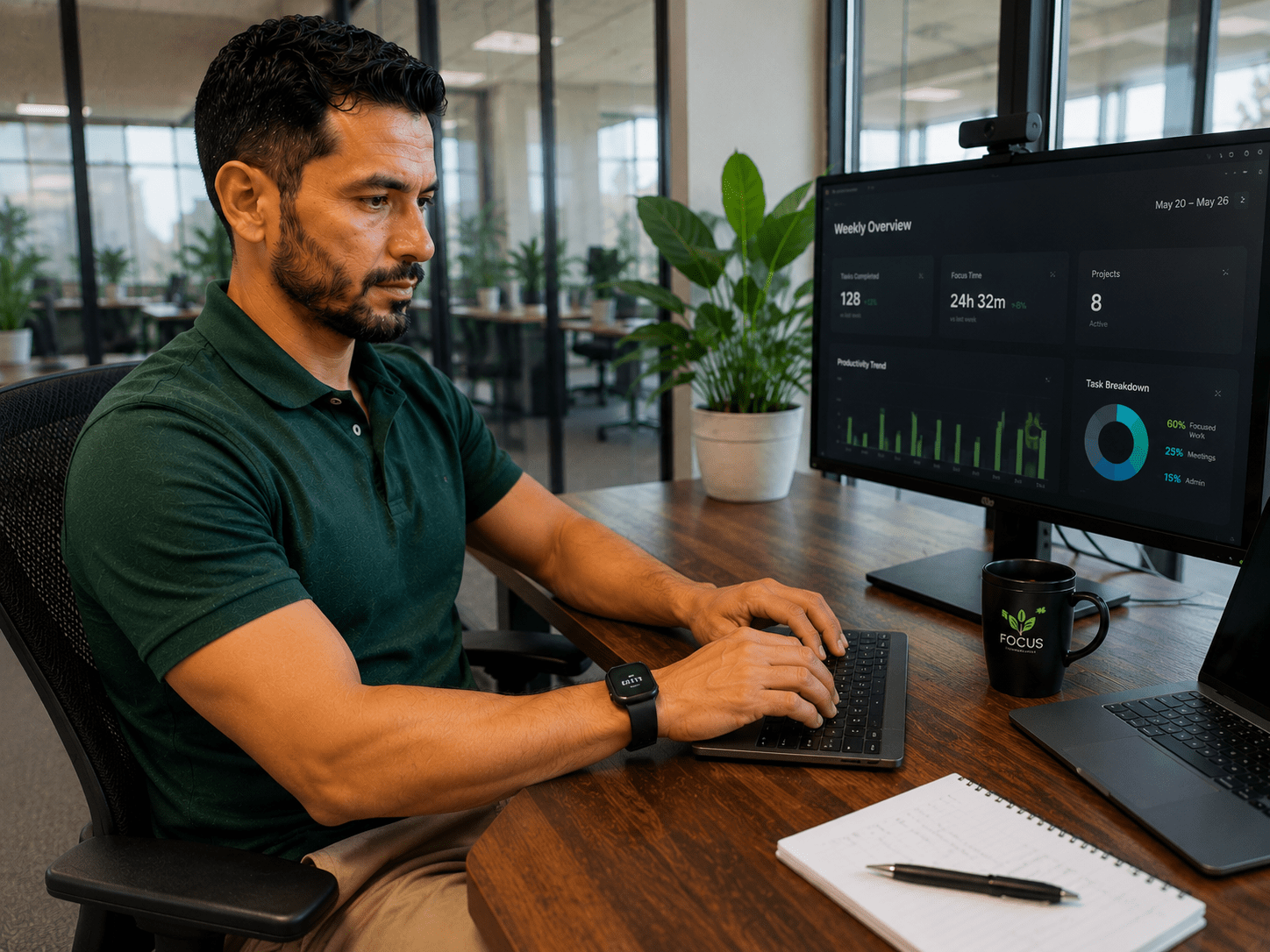
How Fitness Trackers Support Healthy Workplace Habits
Technology alone doesn’t improve health.
Consistent action does.
A fitness tracker becomes most valuable when combined with:
Morning Exercise
Our Best Morning Exercises for Office Workers guide can help you build an active start to the day.
Better Posture
Our How to Improve Posture While Working at a Computer guide explains how posture and movement work together.
Ergonomic Workstations
Our Complete Ergonomic Desk Setup Guide for Better Health helps reduce physical strain during long workdays.
Healthy Nutrition
Movement and nutrition work best together.
Read our Healthy Snacks for Office Workers to Boost Energy guide for practical snack ideas.
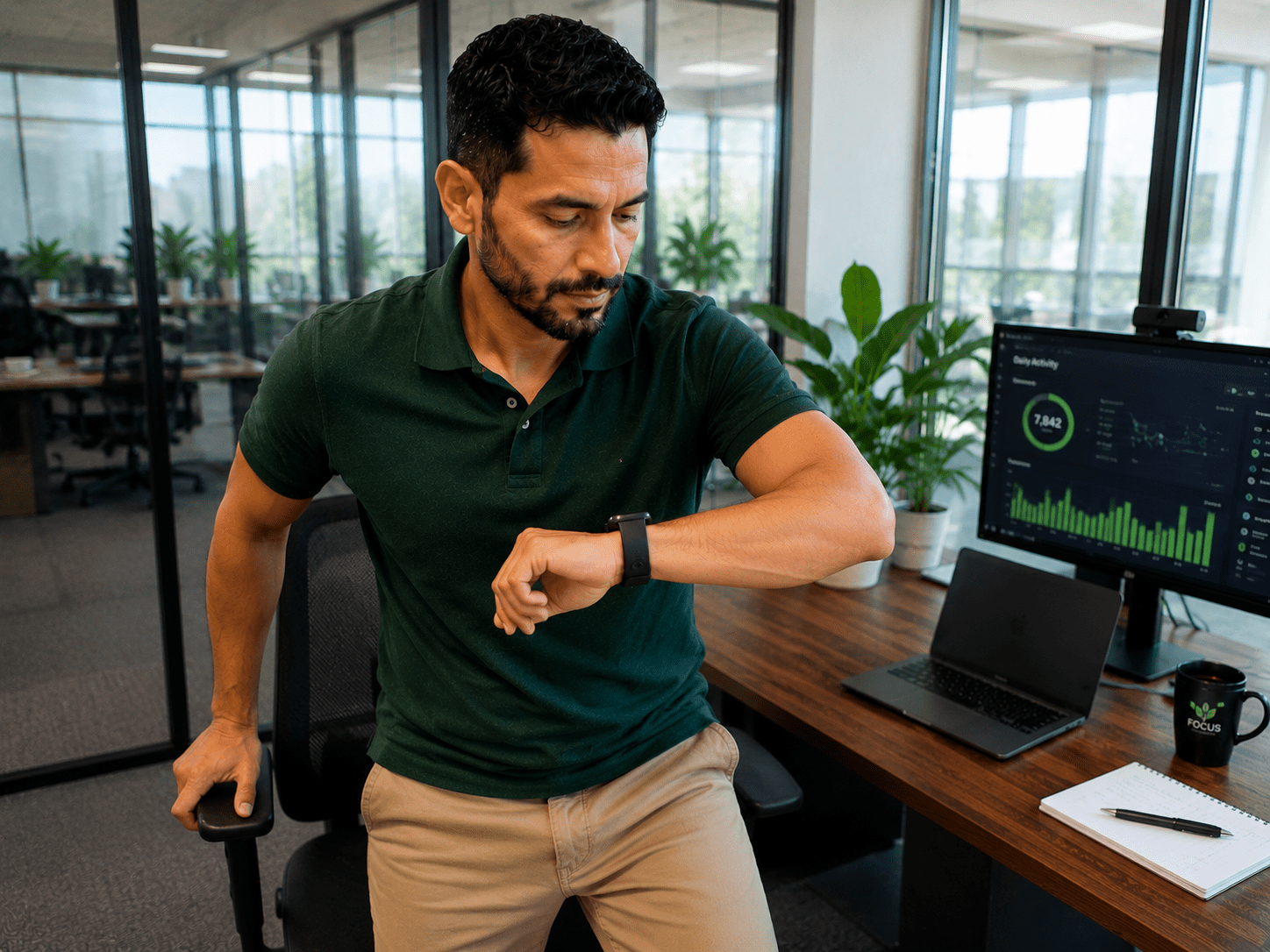
How to Choose the Right Fitness Tracker
Ask yourself these questions:
Do You Use iPhone or Android?
This often determines the best ecosystem.
Do You Need Smartwatch Features?
Some people want:
- Calls
- Messages
- Apps
Others simply want activity tracking.
Is Battery Life Important?
Some devices last:
- 1 to 2 days
- 7 days
- Several weeks
Do You Want Advanced Health Metrics?
Advanced metrics may include:
- Recovery scores
- Stress tracking
- Sleep analysis
- Heart rate variability
Common Buying Mistakes
Buying Based Only on Price
Cheapest isn’t always best.
Ignoring Battery Life
Battery life significantly affects user experience.
Choosing Features You’ll Never Use
Buy based on actual needs.
Expecting the Tracker to Do the Work
A tracker provides information.
You still need to take action.
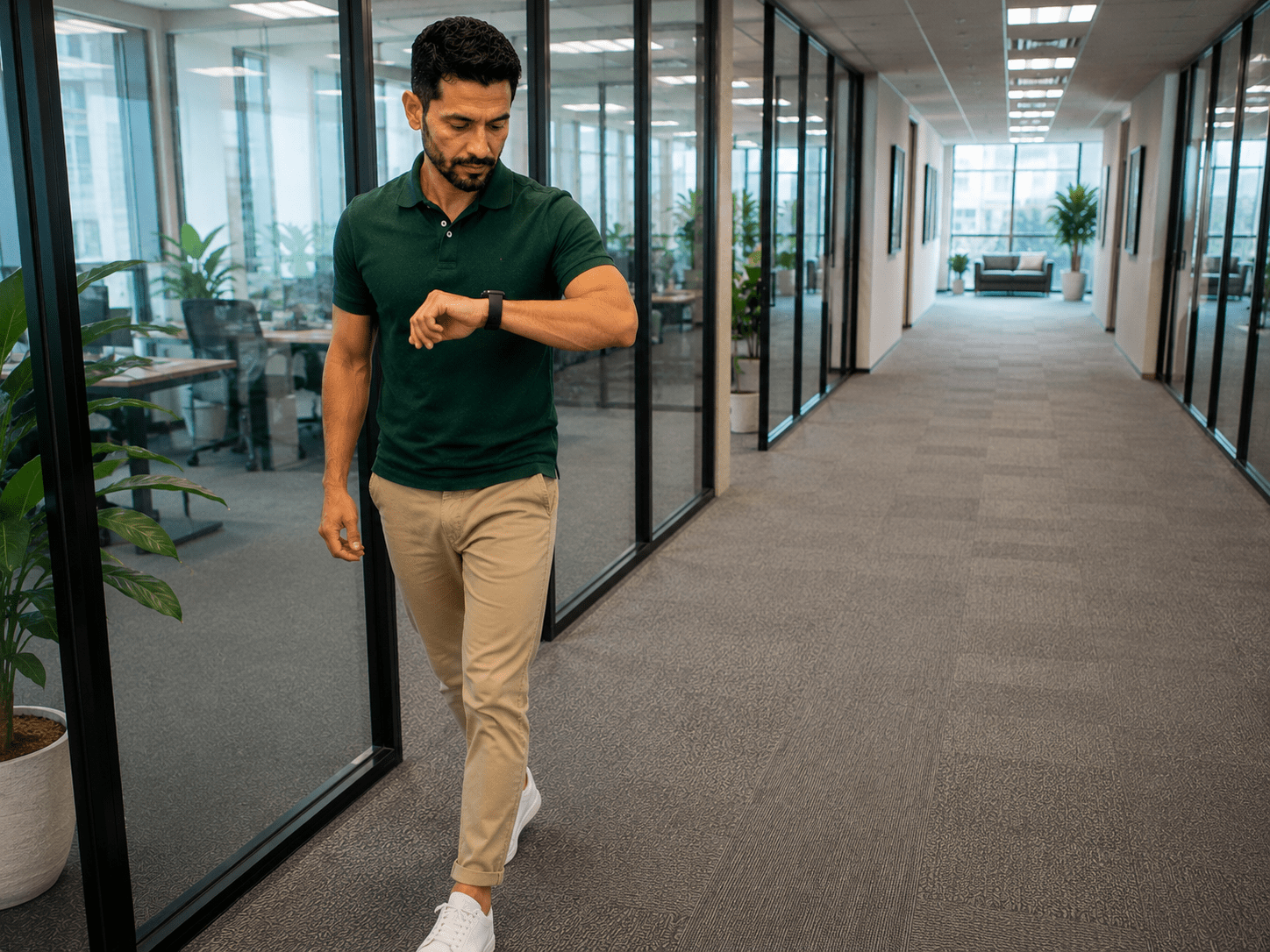
Fitness Tracker Comparison Table
The table below summarizes the most suitable options for office workers.
| Fitness Tracker | Best For | Battery Life | Sleep Tracking | Movement Reminders | Smart Features |
|---|---|---|---|---|---|
| Apple Watch Series | iPhone Users | 1 to 2 Days | Excellent | Excellent | Excellent |
| Garmin Venu Series | Health Tracking | Up to 10 Days | Excellent | Excellent | Very Good |
| Fitbit Charge Series | Beginners | Up to 7 Days | Excellent | Good | Moderate |
| Samsung Galaxy Watch | Android Users | 1 to 3 Days | Very Good | Very Good | Excellent |
| WHOOP | Recovery Tracking | 4 to 5 Days | Excellent | Good | Limited |
| Amazfit Balance | Budget Buyers | Up to 14 Days | Good | Good | Good |
Best Fitness Tracker Based on Your Needs
Different office workers have different priorities.
Here are the strongest choices based on common goals.
Best Overall Fitness Tracker for Office Workers
Apple Watch Series
Why it stands out:
- Excellent activity tracking
- Reliable movement reminders
- Strong health ecosystem
- Easy integration with daily life
Best for:
- iPhone users
- Professionals who want health tracking and productivity features
Best Battery Life
Garmin Venu Series
Why it stands out:
- Long battery life
- Advanced health insights
- Detailed recovery tracking
Best for:
- Busy professionals
- Frequent travelers
- Users who dislike daily charging
Best Budget Option
Amazfit Balance
Why it stands out:
- Affordable pricing
- Impressive battery life
- Useful health metrics
Best for:
- First-time fitness tracker buyers
- Budget-conscious office workers
Best Sleep Tracking
Fitbit Charge Series
Why it stands out:
- Industry-leading sleep insights
- Easy-to-understand reports
- Comfortable design
Best for:
- Workers struggling with fatigue
- Professionals interested in recovery
According to National Sleep Foundation, sleep quality plays an important role in physical health, mental performance, and productivity.
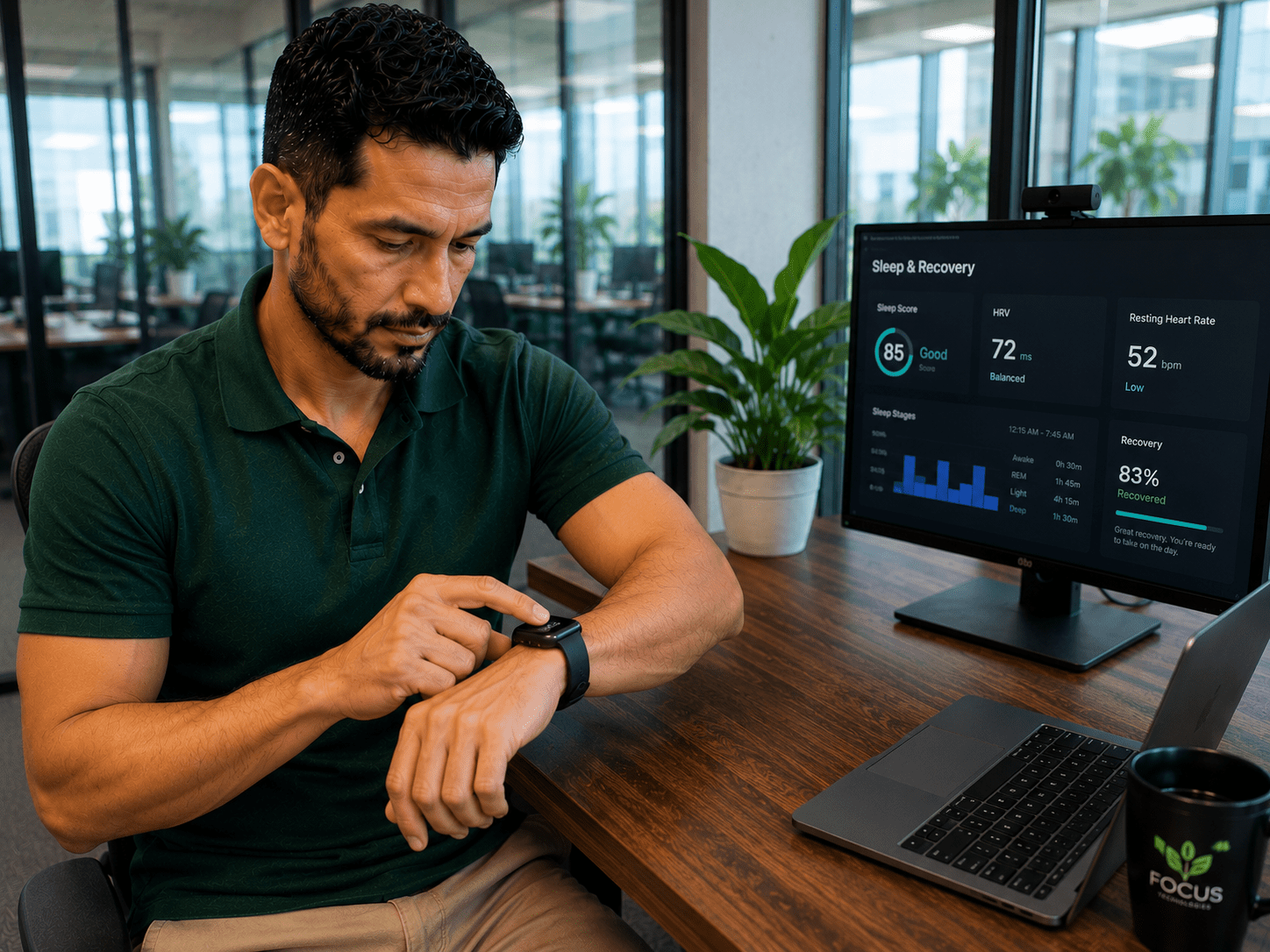
Best for Recovery and Stress Management
WHOOP
Why it stands out:
- Recovery-focused metrics
- Strain tracking
- Stress monitoring
Best for:
- High-performing professionals
- Workers interested in optimizing recovery
Best for Android Users
Samsung Galaxy Watch
Why it stands out:
- Strong Android integration
- Excellent smartwatch features
- Comprehensive health tracking
Best for:
- Samsung and Android smartphone users
How Office Workers Can Get the Most Value From Fitness Trackers
Buying a tracker is only the first step.
The real benefits come from how you use the information.
Use Movement Reminders
Many office workers ignore movement notifications.
Instead:
- Stand up
- Walk briefly
- Stretch
- Perform mobility exercises
Even a few minutes of movement can make a difference.
Our guide on 5 Minute Desk Workouts to Relieve Back Pain for Remote Workers provides quick movement options that work well alongside fitness tracker reminders.
Monitor Daily Activity Trends
Focus on long-term consistency rather than daily perfection.
Look for patterns such as:
- Increased movement
- Improved sleep
- More active workdays
Combine Tracking With Better Workplace Habits
Technology works best when paired with healthy behaviors.
Examples:
- Morning exercise
- Better posture
- Ergonomic workstation setup
- Healthy snacks
- Mobility routines
Together, these habits create a stronger foundation for long-term health.
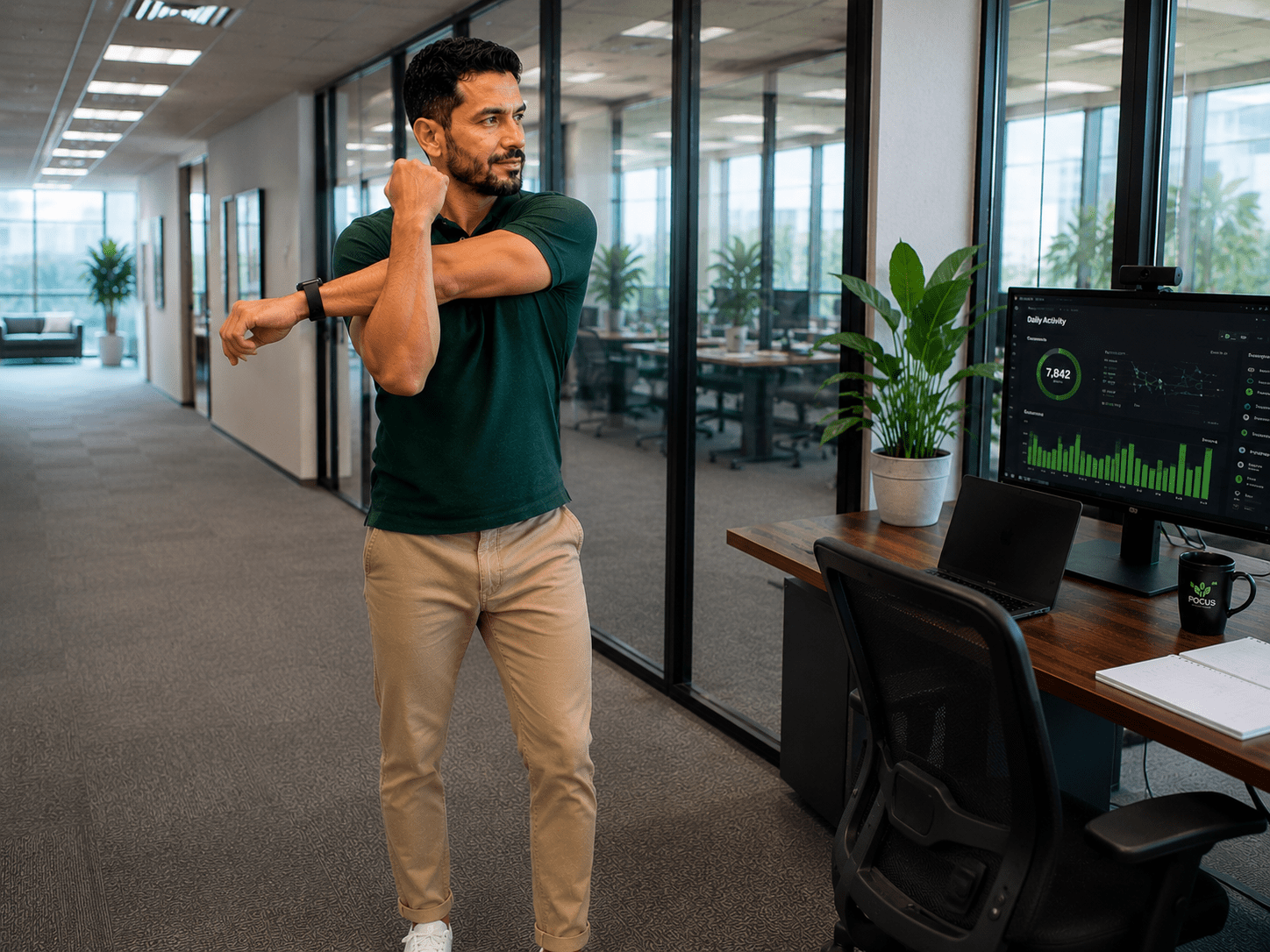
Are Fitness Trackers Worth It for Office Workers?
For many people, yes.
The biggest benefit isn’t advanced technology.
It’s awareness.
A tracker helps answer important questions:
- How much do you actually move?
- How long are you sitting?
- Are you sleeping enough?
- Are you becoming more active over time?
For office workers trying to improve their health, these insights can be extremely valuable.
Important Points to Remember
- Fitness trackers support healthy habits.
- Movement reminders are especially useful for desk workers.
- Sleep tracking can provide valuable recovery insights.
- Consistency matters more than daily perfection.
- A tracker works best when combined with exercise, mobility, posture improvement, and healthy nutrition.
Frequently Asked Questions
Do fitness trackers really help office workers?
They can be helpful because they increase awareness of activity levels, sitting time, and sleep habits.
Which fitness tracker is best for posture reminders?
Most major brands provide movement reminders, but Apple Watch, Fitbit, and Garmin are particularly popular for encouraging regular activity.
Can a fitness tracker reduce back pain?
A tracker cannot directly treat pain, but movement reminders may help reduce prolonged sitting, which is often associated with discomfort.
Are expensive fitness trackers worth it?
It depends on your goals.
Many office workers are perfectly satisfied with mid-range devices that provide step tracking, sleep monitoring, and movement reminders.
How many steps should office workers aim for?
There is no single perfect number.
The goal is gradually increasing movement and reducing long periods of inactivity.
Disclaimer
Product availability, pricing, features, and specifications may change over time. Always verify the latest information directly from the manufacturer’s website before making a purchase decision.
This article is for educational purposes only and should not be considered medical advice.
Conclusion
Fitness trackers can be valuable tools for office workers who want to become more active, improve awareness of daily habits, and build healthier routines.
The best tracker isn’t necessarily the most expensive one.
It’s the device you’ll actually use consistently.
Combined with movement, posture improvement, ergonomic workstations, mobility exercises, and healthy nutrition, a fitness tracker can help support long-term workplace wellness.
For a complete workplace health strategy, start with our guide on Health and Fitness for Office Workers.