
Introduction
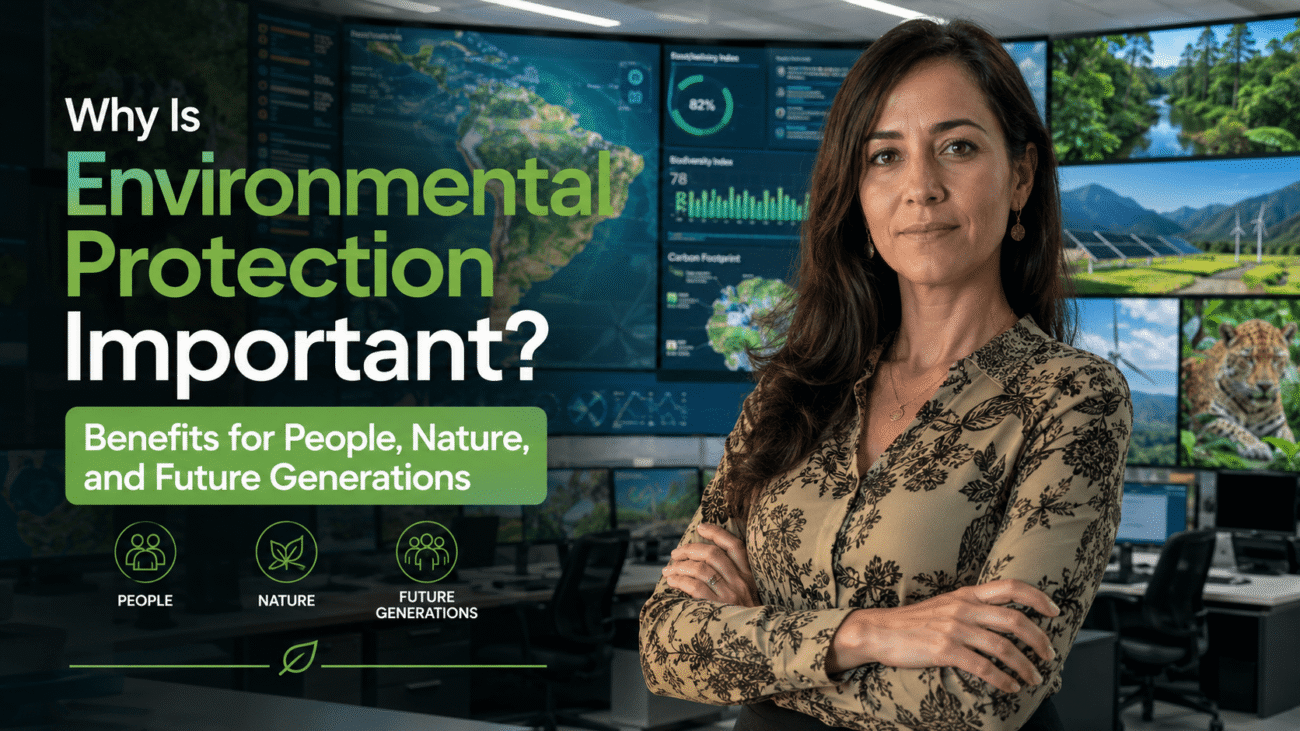
Environmental protection is one of the most important responsibilities facing humanity today.
The natural world provides essential resources such as clean air, fresh water, fertile soil, food, and raw materials. Without healthy ecosystems, societies cannot thrive.
However, pollution, climate change, deforestation, biodiversity loss, and unsustainable resource use are placing increasing pressure on the environment.
Understanding why environmental protection matters helps individuals, businesses, and governments make informed decisions that support a healthier and more sustainable future.
For a complete overview of environmental topics, readers should start with our Environment: The Complete Guide to Environmental Protection, Sustainability, and Climate Change.
What Is Environmental Protection?
Environmental protection refers to actions and policies designed to preserve natural resources, protect ecosystems, reduce pollution, and maintain environmental quality.
The goal is to balance human needs with the long term health of the planet.
Environmental protection can include:
• Pollution control
• Wildlife conservation
• Sustainable resource management
• Renewable energy development
• Habitat restoration
• Environmental education
According to the United Nations Environment Programme, environmental protection is essential for sustainable development and human well being.
Why Environmental Protection Matters
Environmental protection affects every aspect of life.
From human health to economic stability, healthy ecosystems provide benefits that are often taken for granted.
Protecting Human Health
A healthy environment supports healthy communities.
Environmental degradation can contribute to:
• Respiratory diseases
• Waterborne illnesses
• Heat related health risks
• Exposure to harmful pollutants
Clean air and clean water are among the most important benefits of environmental protection.
The World Health Organization Environmental Health Program highlights the strong connection between environmental quality and public health.

Preserving Natural Resources
Natural resources support economies, industries, and everyday life.
Examples include:
• Fresh water
• Forests
• Minerals
• Agricultural land
• Fisheries
Protecting these resources helps ensure they remain available for future generations.
Supporting Biodiversity
Biodiversity refers to the variety of living organisms on Earth.
Healthy biodiversity supports:
• Food production
• Pollination
• Ecosystem stability
• Climate regulation
• Disease control
Readers interested in ecosystems and biodiversity should revisit our What Is the Environment? guide.
Environmental Protection and Climate Change
Climate change is one of the most significant environmental challenges facing the world.
Environmental protection helps reduce climate risks by:
• Reducing greenhouse gas emissions
• Conserving forests
• Supporting renewable energy
• Improving energy efficiency
• Encouraging sustainable development
Future readers will be able to explore this topic further in our upcoming What Is Climate Change? article.
Economic Benefits of Environmental Protection
Many people view environmental protection only as a conservation issue.
In reality, it also provides substantial economic benefits.
Job Creation
Renewable energy, conservation, and sustainability industries create employment opportunities.
Reduced Healthcare Costs
Cleaner environments often lead to healthier populations.
Sustainable Economic Growth
Responsible resource management supports long term economic stability.
Tourism Benefits
Protected natural areas often attract visitors and support local economies.

Environmental Protection and Future Generations
Future generations will inherit the environmental conditions created today.
Environmental protection helps ensure that future communities have access to:
• Clean air
• Fresh water
• Healthy ecosystems
• Natural resources
• Stable climates
Sustainable development focuses on meeting current needs without compromising the needs of future generations.
The United Nations Sustainable Development Goals recognize environmental sustainability as a global priority.
Practical Ways to Protect the Environment
Everyone can contribute to environmental protection.
Reduce Waste
Reuse and recycle whenever possible.
Save Energy
Use energy efficient appliances and reduce unnecessary consumption.
Conserve Water
Avoid water waste in daily activities.
Support Sustainable Products
Choose environmentally responsible goods and services.
Use Sustainable Transportation
Walk, cycle, use public transport, or choose fuel efficient vehicles when possible.
Support Conservation Efforts
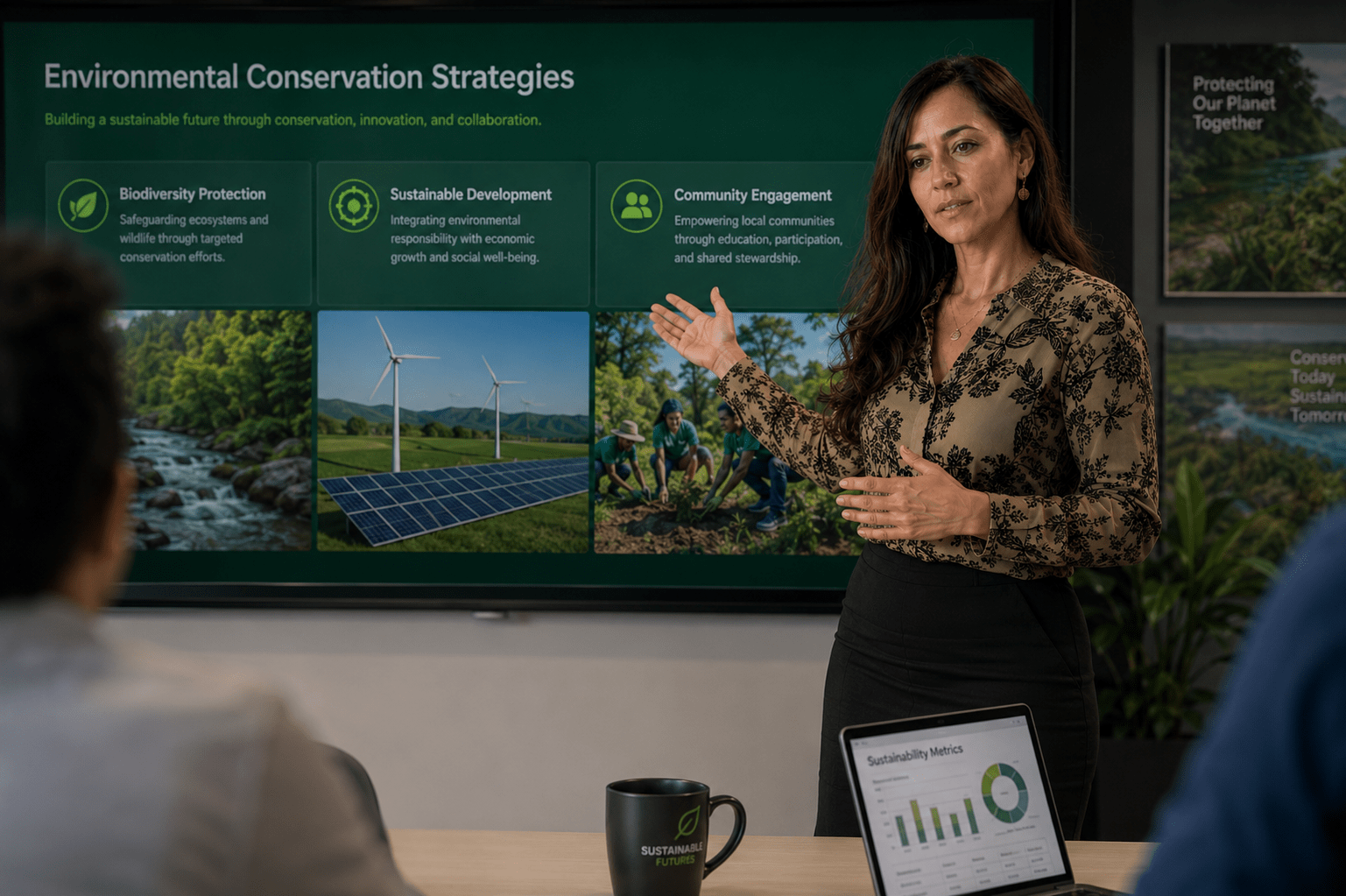
Participate in environmental programs and community initiatives.
Common Threats to Environmental Protection
Several challenges make environmental protection difficult.
Pollution
Air, water, soil, and plastic pollution continue to affect ecosystems worldwide.
Deforestation
Forest loss reduces biodiversity and increases climate risks.
Overconsumption
Unsustainable resource use places pressure on natural systems.
Climate Change
Rising temperatures affect ecosystems and communities globally.
Habitat Destruction
Urban expansion and industrial development can threaten wildlife habitats.
Understanding these threats is essential for developing effective solutions.
Frequently Asked Questions
Why is environmental protection important?
Environmental protection helps preserve natural resources, protect human health, support biodiversity, and promote sustainability.
How does environmental protection help people?
It improves air quality, water quality, public health, and long term economic stability.
What are the benefits of protecting biodiversity?
Biodiversity supports food production, ecosystem resilience, climate regulation, and environmental balance.
Can individuals make a difference?
Yes. Small actions performed consistently by millions of people can create significant positive environmental impacts.
Environmental Disclaimer
This article is for educational purposes only. Environmental policies, scientific findings, and environmental conditions may evolve over time. Readers should consult official environmental organizations and scientific resources for the most current information.
Conclusion
Environmental protection is essential for maintaining healthy ecosystems, supporting human well being, and creating a sustainable future.
By protecting natural resources, reducing pollution, conserving biodiversity, and supporting sustainable practices, societies can improve quality of life today while preserving opportunities for future generations.
Environmental protection is not simply a responsibility for governments and organizations. It is a shared responsibility that benefits everyone.