
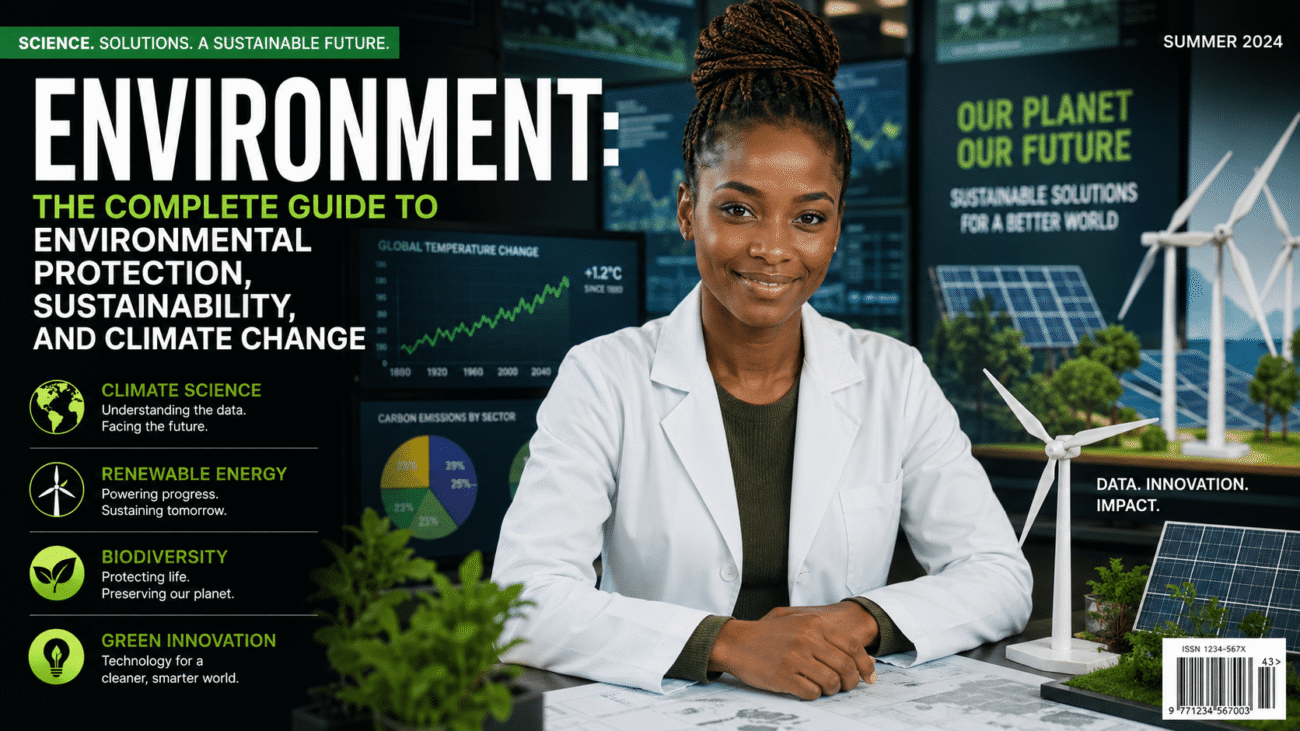
Introduction
The environment is the foundation of life on Earth. It provides the air we breathe, the water we drink, the food we eat, and the natural resources that support economies and societies.
Despite its importance, the environment faces growing challenges. Climate change, pollution, deforestation, biodiversity loss, and unsustainable resource consumption are affecting ecosystems around the world.
Understanding how the environment works and how human activities influence it is essential for creating a healthier and more sustainable future.
This guide explores the key concepts of environmental protection, sustainability, climate change, pollution, renewable energy, and conservation.
What Is the Environment?
The environment refers to everything that surrounds living organisms.
It includes both natural and human made elements that influence life and ecological systems.
The environment consists of:
• Air
• Water
• Land
• Plants
• Animals
• Microorganisms
• Natural resources
• Human communities
Together, these elements form interconnected systems that support life on Earth.
Readers seeking a deeper explanation should explore our upcoming article on What Is the Environment?
According to the United Nations Environment Programme, healthy ecosystems are essential for human well being and sustainable development.
Why the Environment Matters
The environment supports every aspect of human life.
Without healthy ecosystems, societies cannot thrive.
Clean Air
The environment provides oxygen and helps regulate air quality.
Clean Water
Natural systems filter and supply fresh water.
Food Production
Agriculture depends on healthy soil, water, and climate conditions.
Economic Growth
Many industries rely on natural resources.
Human Health
Environmental quality directly affects public health and well being.
Protecting the environment is not only about nature. It is also about protecting people and future generations.
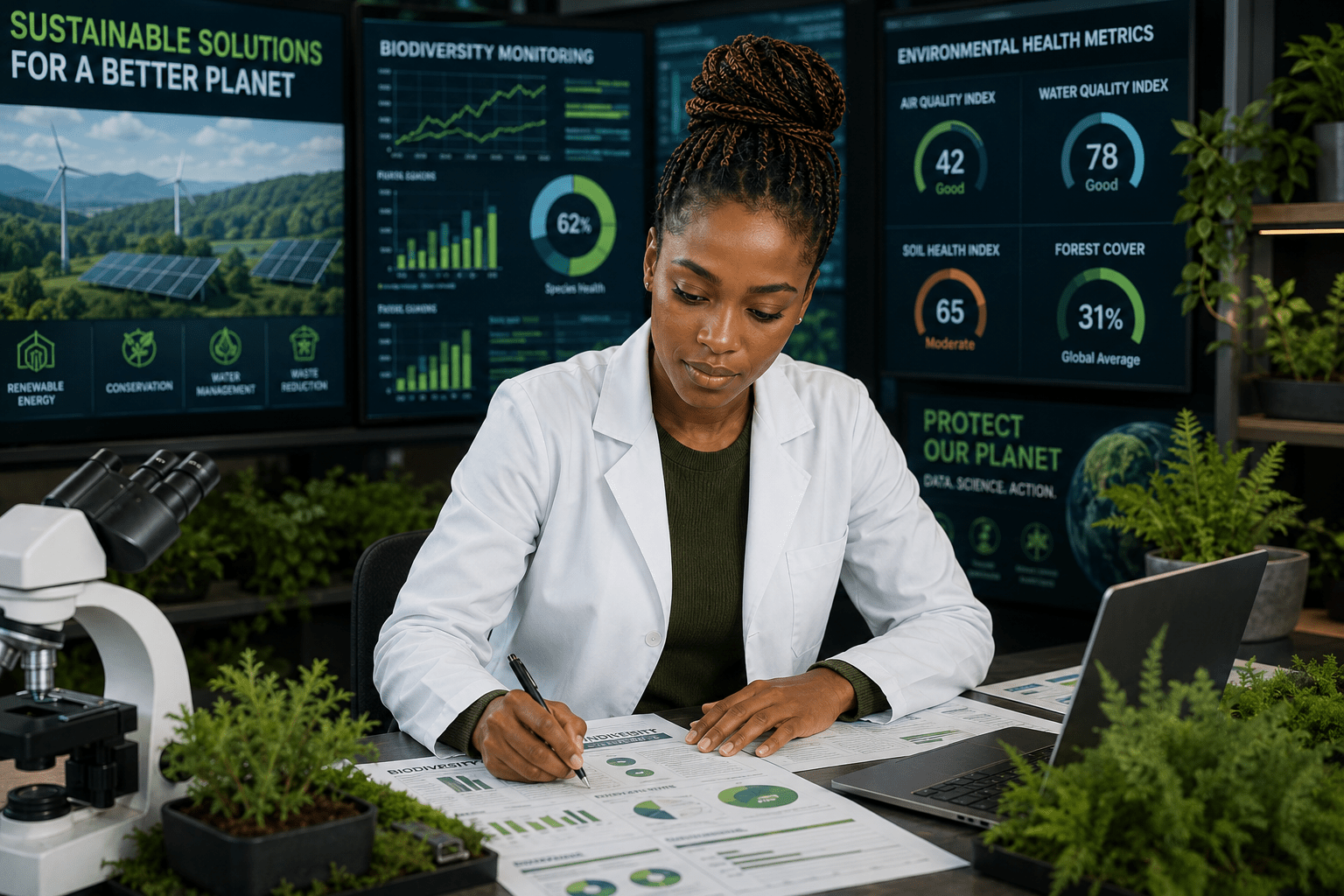
Components of the Environment
The environment can be divided into several interconnected components.
Atmosphere
The atmosphere is the layer of gases surrounding Earth.
It plays an essential role in:
• Regulating temperature
• Protecting life from harmful radiation
• Supporting weather systems
• Maintaining oxygen levels
Changes in atmospheric conditions can influence climate and ecosystems worldwide.
Hydrosphere
The hydrosphere includes all water resources on Earth.
Examples include:
• Oceans
• Rivers
• Lakes
• Groundwater
• Glaciers
Water is essential for life, agriculture, industry, and energy production.
Lithosphere
The lithosphere includes Earth’s land surface and soil.
It provides:
• Agricultural land
• Minerals
• Natural resources
• Habitats for many species
Healthy soil is critical for food production and ecosystem stability.
Biosphere
The biosphere includes all living organisms.
This includes:
• Plants
• Animals
• Humans
• Microorganisms
The biosphere depends on interactions between air, water, and land systems.
Environmental Protection
Environmental protection refers to actions taken to preserve natural resources and reduce environmental damage.
The goal is to maintain ecological balance while meeting human needs.
Environmental protection efforts may include:
• Pollution control
• Wildlife conservation
• Sustainable resource management
• Renewable energy development
• Habitat restoration
Governments, organizations, businesses, and individuals all play important roles.
The World Health Organization Environmental Health Program highlights the relationship between environmental quality and human health.
Major Environmental Challenges
The modern world faces several environmental issues that require urgent attention.
Climate Change
Climate change is one of the most significant environmental challenges.
Rising global temperatures are affecting:
• Weather patterns
• Sea levels
• Ecosystems
• Agriculture
• Human health
A dedicated article on What Is Climate Change? will explore this topic in greater detail.
Deforestation
Forests play a vital role in:
• Carbon storage
• Biodiversity protection
• Water cycle regulation
• Soil preservation
Deforestation reduces these benefits and contributes to environmental degradation.
Biodiversity Loss
Biodiversity refers to the variety of life on Earth.
Habitat destruction, pollution, climate change, and overexploitation are causing many species to decline.
Protecting biodiversity helps maintain ecosystem stability and resilience.
Resource Depletion
Natural resources are not unlimited.
Unsustainable consumption can lead to shortages of:
• Fresh water
• Forest resources
• Fossil fuels
• Minerals
Sustainable resource management is essential for future generations.
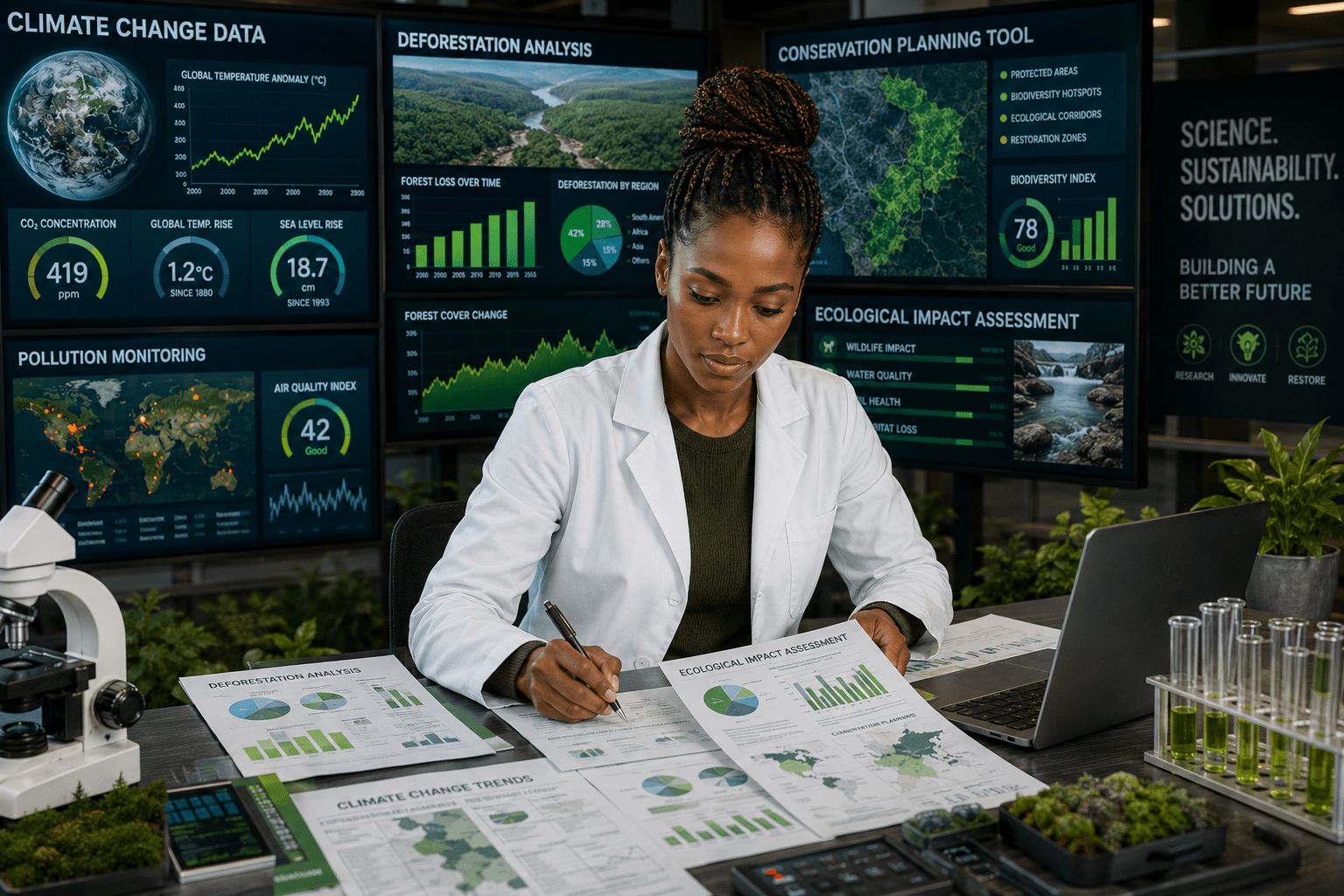
Environmental Pollution
Pollution occurs when harmful substances enter the environment and cause negative impacts.
Pollution affects ecosystems, wildlife, and human health.
Major types include:
Air Pollution
Contamination of the atmosphere by harmful gases and particles.
Water Pollution
Contamination of rivers, lakes, oceans, and groundwater.
Soil Pollution
Degradation of land due to chemicals and waste.
Plastic Pollution
Accumulation of plastic waste in natural environments.
Readers can learn more in our upcoming article on Types of Environmental Pollution.
Effects of Pollution
Pollution creates serious consequences.
Health Problems
Pollution contributes to respiratory illnesses, cardiovascular disease, and other health concerns.
Ecosystem Damage
Plants and animals can be harmed by contaminated environments.
Water Quality Decline
Polluted water threatens drinking supplies and aquatic ecosystems.
Economic Costs
Environmental damage can increase healthcare and cleanup expenses.
Reducing pollution requires cooperation among governments, businesses, and individuals.
Understanding Climate Change
Climate change refers to long term shifts in global temperatures and weather patterns.
While climate naturally changes over time, recent changes are strongly influenced by human activities.
Major contributors include:
• Burning fossil fuels
• Deforestation
• Industrial emissions
• Agricultural activities
Climate change is influencing:
• Extreme weather events
• Rising sea levels
• Ecosystem changes
• Food security
• Public health
The United Nations Sustainable Development Goals emphasize climate action as a global priority.
Sustainability and Sustainable Development
Sustainability means meeting present needs without compromising the ability of future generations to meet their own needs.
Sustainable development focuses on balancing:
Environmental Protection
Protecting ecosystems and natural resources.
Economic Growth
Supporting prosperity and innovation.
Social Well Being
Improving quality of life and reducing inequality.
Sustainability is becoming increasingly important in:
• Business
• Energy
• Agriculture
• Transportation
• Urban planning
Readers interested in practical solutions should explore our upcoming Sustainable Living Guide.
Renewable Energy Explained
Renewable energy plays a critical role in building a sustainable future.
Unlike fossil fuels, renewable energy sources can be replenished naturally and produce significantly lower environmental impacts.
Renewable energy helps reduce greenhouse gas emissions, improve energy security, and support sustainable economic development.
Common renewable energy sources include:
• Solar energy
• Wind energy
• Hydroelectric power
• Geothermal energy
• Biomass energy
As technology improves, renewable energy is becoming more affordable and widely adopted around the world.
Readers interested in this topic can explore our future article on Renewable Energy Explained.
Solar Energy
Solar energy captures sunlight and converts it into electricity or heat.
Benefits include:
Clean Energy Production
Solar power produces electricity without direct emissions.
Abundant Resource
The sun provides a virtually unlimited energy source.
Lower Operating Costs
Solar systems often require minimal maintenance after installation.
Energy Independence
Households and businesses can reduce dependence on traditional energy sources.
Despite its benefits, solar energy can be affected by weather conditions and initial installation costs.
Wind Energy
Wind turbines convert moving air into electricity.
Wind power has become one of the fastest growing renewable energy sources.
Advantages include:
• Low operating emissions
• Large scale electricity generation
• Reduced fossil fuel dependence
• Renewable energy supply
Many countries are investing heavily in wind energy infrastructure to meet climate goals.
Hydroelectric Energy
Hydroelectric power uses flowing water to generate electricity.
It is one of the oldest and most widely used renewable energy technologies.
Benefits include:
• Reliable electricity production
• Low greenhouse gas emissions
• Long operational lifespan
• Large scale power generation
However, hydroelectric projects can also affect local ecosystems and communities if not managed responsibly.
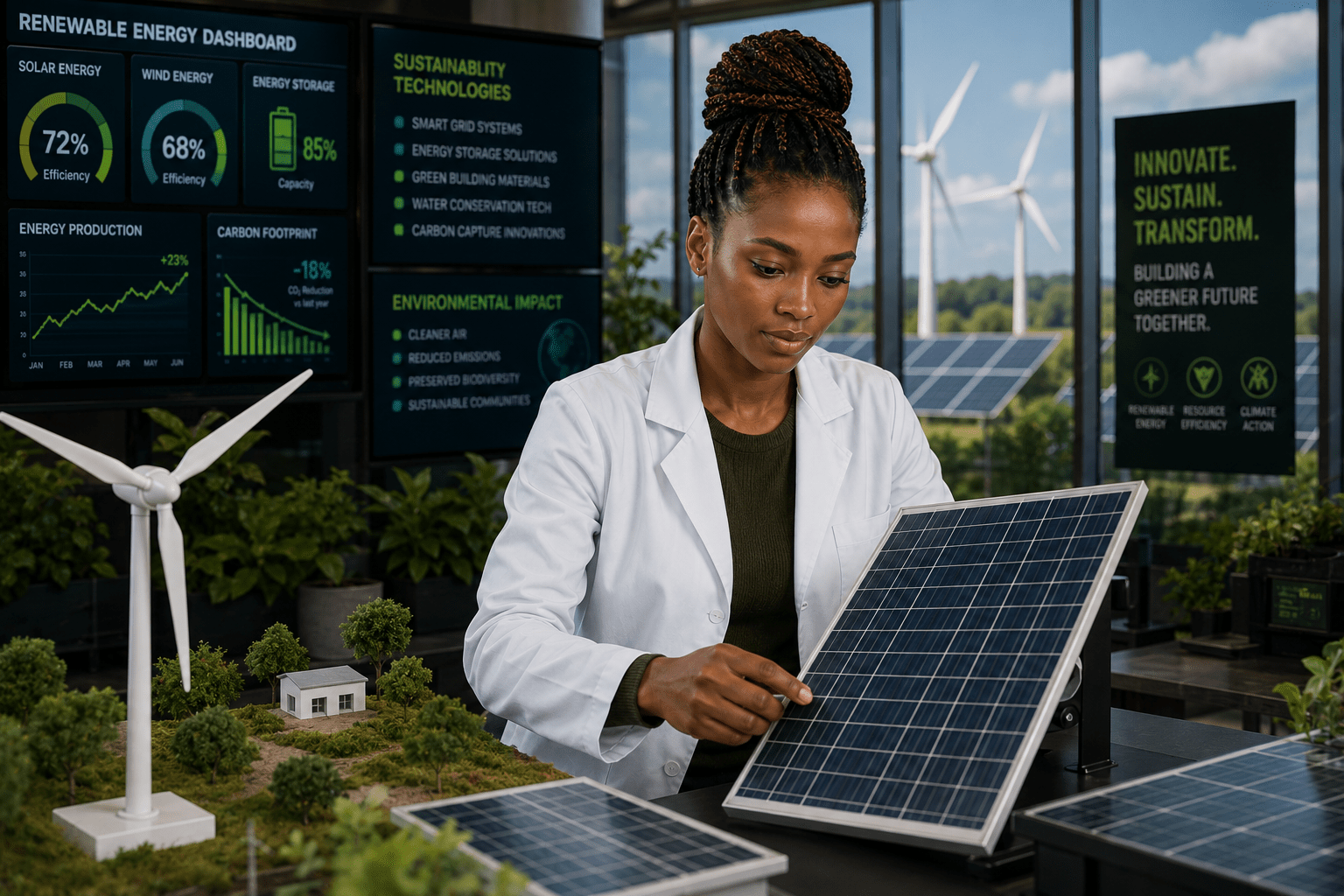
Biodiversity and Why It Matters
Biodiversity refers to the variety of living organisms on Earth.
This includes:
• Plants
• Animals
• Insects
• Microorganisms
• Ecosystems
Healthy biodiversity supports environmental stability and resilience.
Biodiverse ecosystems provide important services such as:
Food Production
Many crops depend on pollinators and healthy ecosystems.
Water Purification
Natural systems help maintain water quality.
Climate Regulation
Forests, wetlands, and oceans help regulate climate conditions.
Disease Control
Balanced ecosystems can reduce the spread of certain diseases.
Readers interested in conservation should explore our future article on What Is Biodiversity?
Threats to Biodiversity
Many species face increasing pressure from human activities.
Major threats include:
Habitat Destruction
Urban development, agriculture, and deforestation reduce natural habitats.
Climate Change
Changing temperatures affect species survival and migration patterns.
Pollution
Pollution harms wildlife and ecosystems.
Over Exploitation
Unsustainable hunting, fishing, and resource extraction can threaten species populations.
Protecting biodiversity is essential for maintaining healthy ecosystems and supporting future generations.
Conservation Efforts Around the World
Conservation focuses on protecting ecosystems, wildlife, and natural resources.
Examples include:
Protected Areas
National parks and nature reserves help preserve habitats.
Reforestation
Planting trees helps restore damaged ecosystems.
Wildlife Protection Programs
Many organizations work to protect endangered species.
Sustainable Resource Management
Responsible resource use reduces environmental pressure.
According to the International Union for Conservation of Nature, conservation efforts are critical for protecting biodiversity and ecosystem services.
Green Technology and Environmental Innovation
Technology is playing an increasingly important role in environmental protection.
Green technologies are designed to reduce environmental impacts while improving efficiency.
Examples include:
• Electric vehicles
• Smart energy systems
• Sustainable construction materials
• Water conservation technologies
• Carbon capture systems
Innovation will continue to be an important part of addressing environmental challenges.
How Individuals Can Help Protect the Environment
Environmental protection is not only the responsibility of governments and organizations.
Individuals can make meaningful contributions through everyday actions.
Reduce Waste
Use reusable products and recycle whenever possible.
Save Energy
Turn off unnecessary lights and use energy efficient appliances.
Conserve Water
Reduce water waste at home and work.
Support Sustainable Products
Choose environmentally responsible products and services.
Use Sustainable Transportation
Consider walking, cycling, public transportation, or electric vehicles when possible.
Plant Trees
Trees help absorb carbon dioxide and support biodiversity.
Small actions performed consistently by millions of people can create significant positive impacts.
The Future of the Environment
The future of the environment will depend on the choices made today.
Key priorities include:
• Reducing greenhouse gas emissions
• Expanding renewable energy
• Protecting biodiversity
• Improving sustainability practices
• Strengthening environmental policies
• Promoting environmental education
While environmental challenges are significant, there are also many opportunities for innovation, cooperation, and positive change.
Global awareness of environmental issues continues to grow, creating momentum for long term solutions.
Frequently Asked Questions
What is the environment?
The environment includes all natural and human made surroundings that influence life on Earth, including air, water, land, plants, animals, and ecosystems.
Why is environmental protection important?
Environmental protection helps preserve natural resources, support human health, protect biodiversity, and ensure a sustainable future.
What is sustainability?
Sustainability means meeting current needs without compromising the ability of future generations to meet their own needs.
What are the biggest environmental challenges today?
Major challenges include climate change, pollution, biodiversity loss, deforestation, and resource depletion.
How can individuals help the environment?
People can reduce waste, save energy, conserve water, support sustainable products, and participate in conservation efforts.
Environmental Disclaimer
The information provided in this article is for educational and informational purposes only. Environmental conditions, policies, and scientific understanding continue to evolve over time. Readers are encouraged to consult official environmental organizations, government agencies, and scientific resources for the most current information.
Conclusion
The environment supports every aspect of life on Earth.
From clean air and water to biodiversity and climate regulation, healthy ecosystems are essential for human well being and sustainable development.
Understanding environmental challenges such as pollution, climate change, and biodiversity loss is the first step toward creating meaningful solutions.
By supporting environmental protection, renewable energy, sustainability, and conservation efforts, individuals, businesses, and governments can help build a healthier and more resilient future for generations to come.